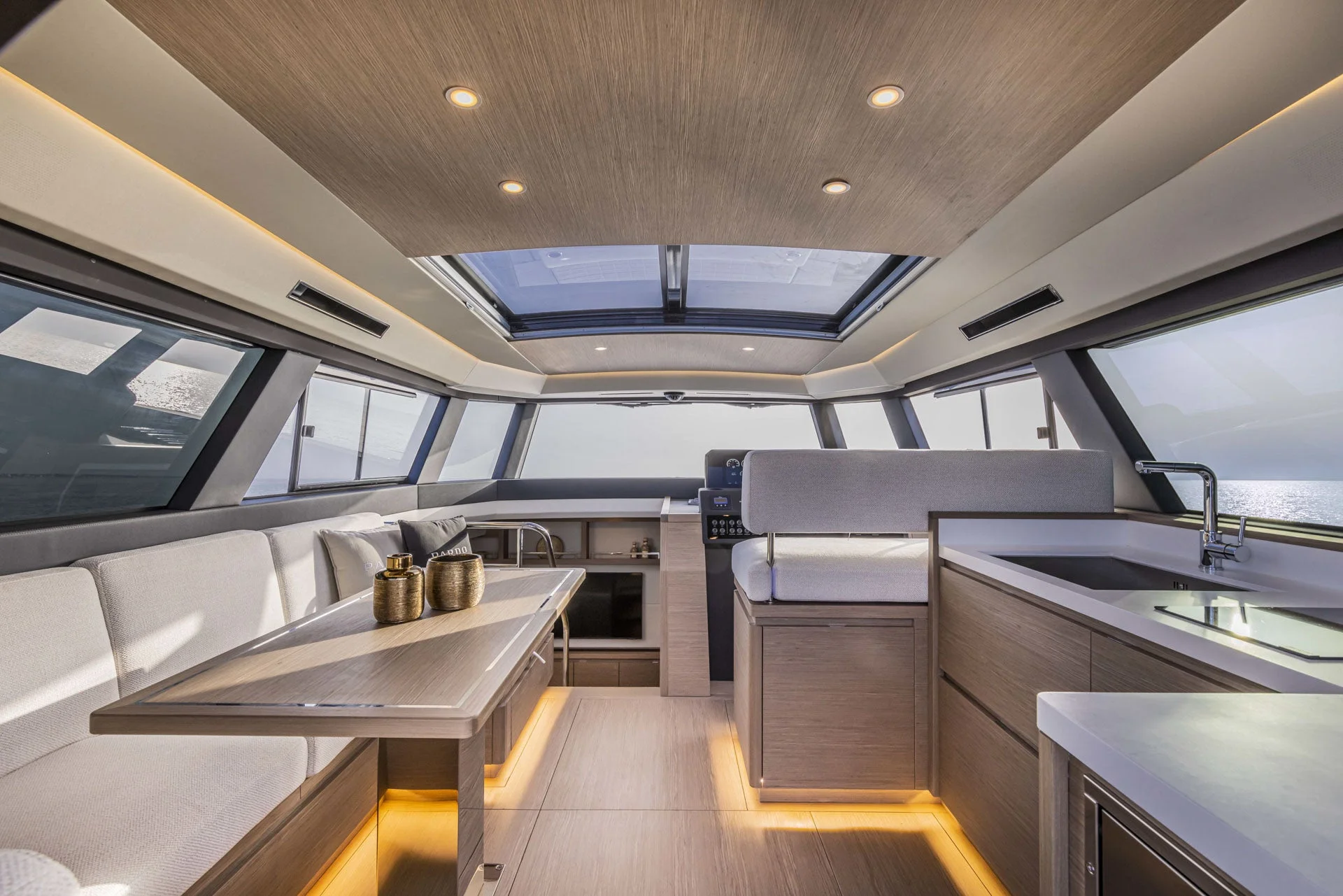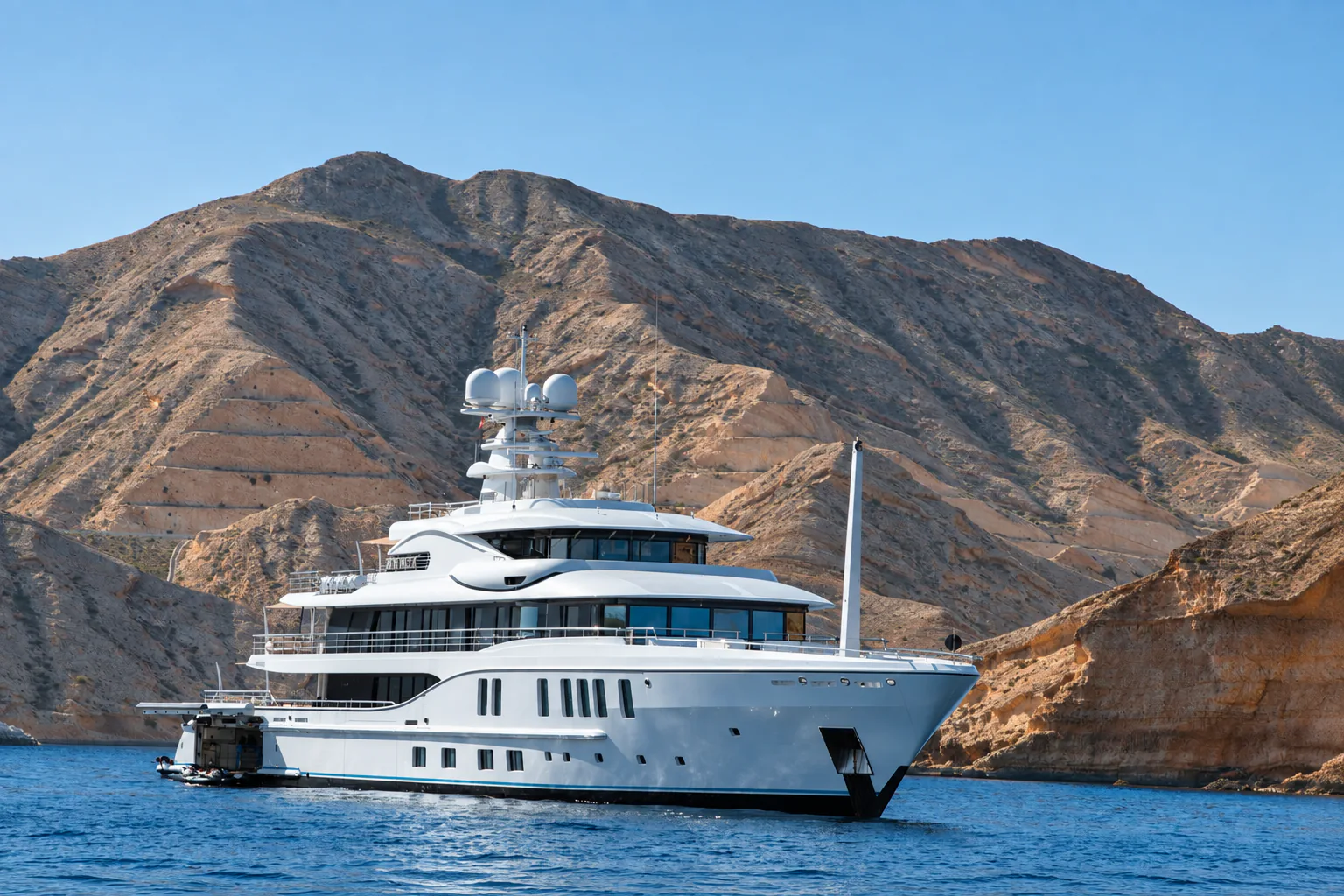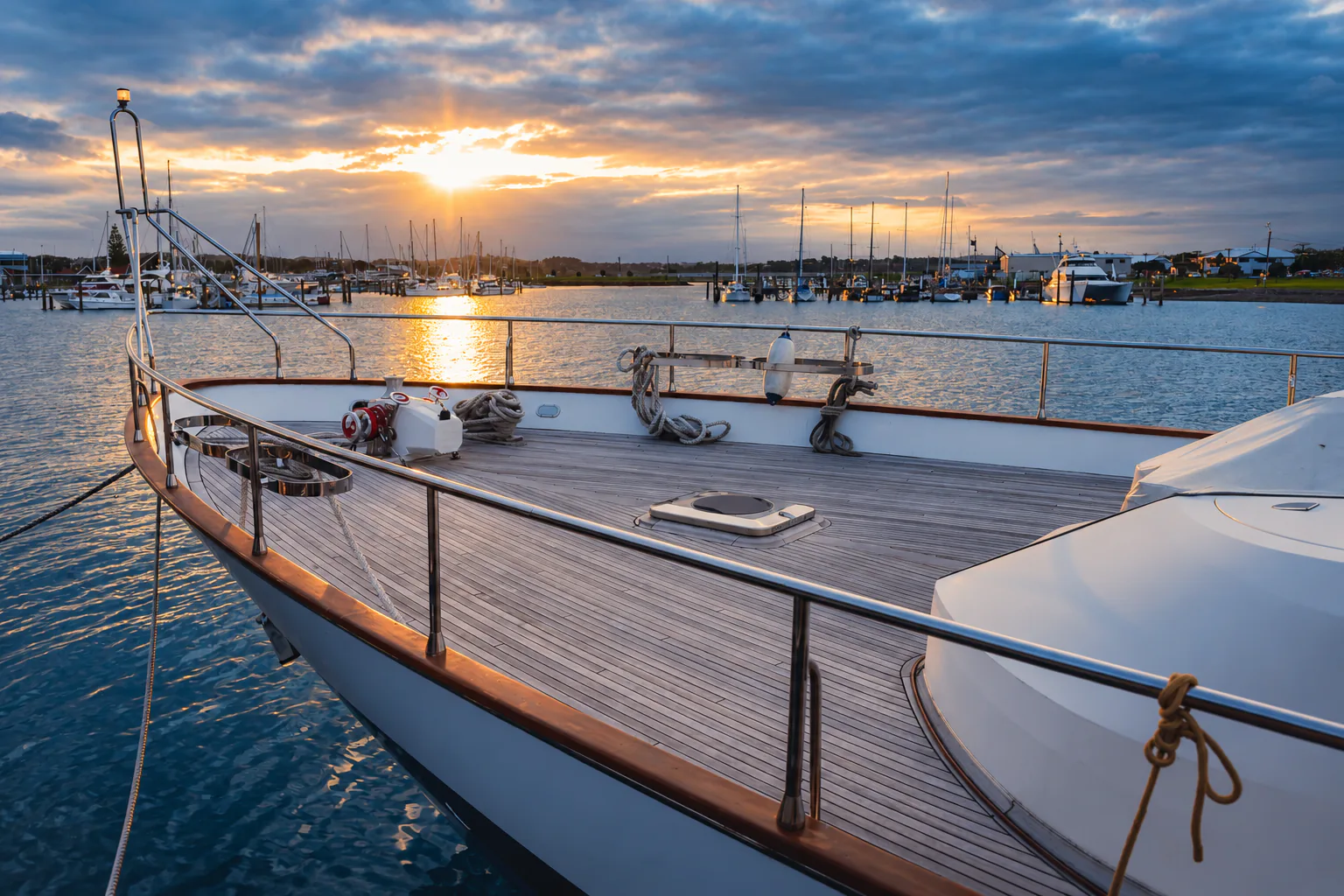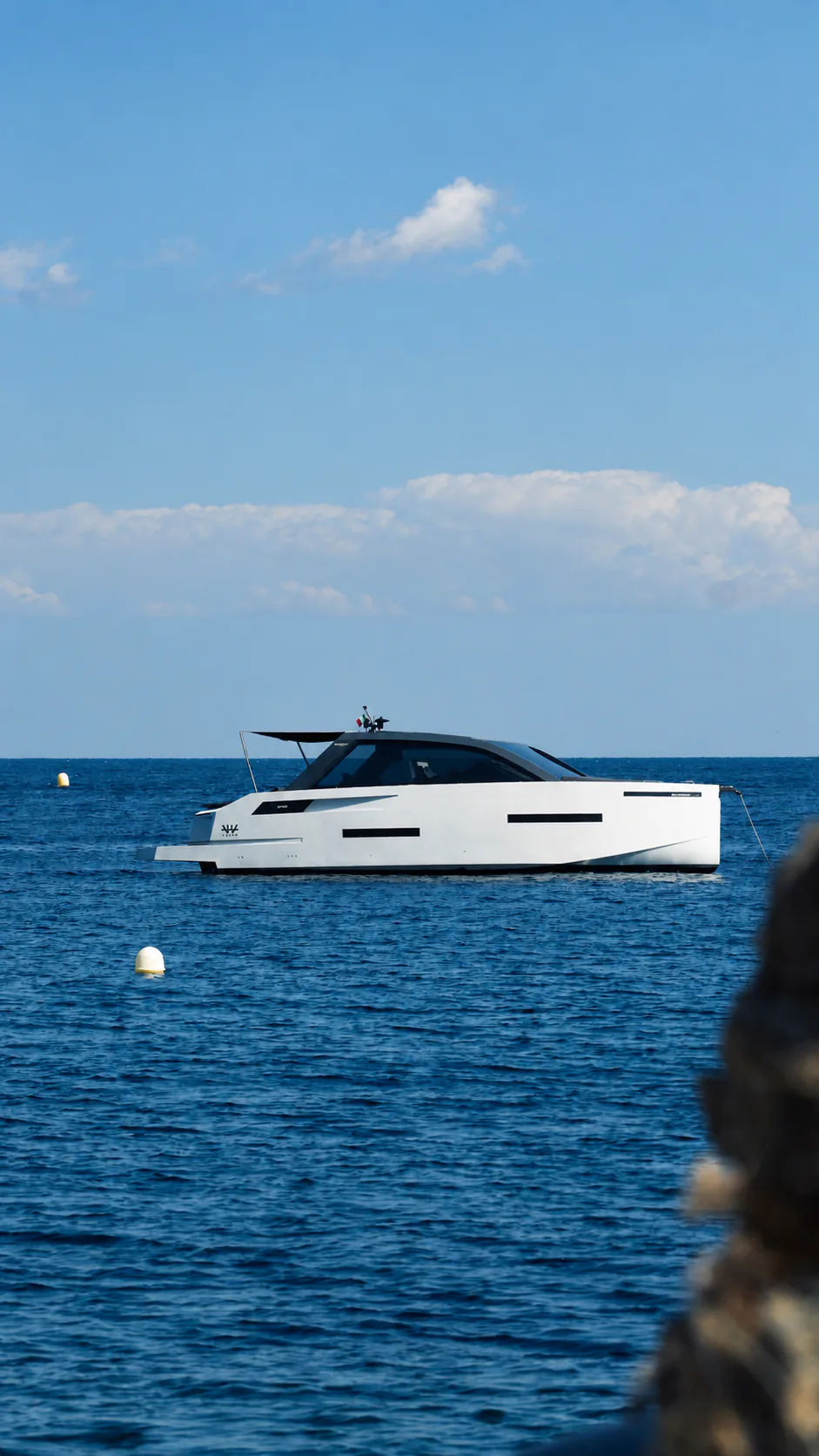
For a first-time owner, the first yacht does not have to be the final yacht imagined at the beginning of the search. It can be a deliberate way to learn which parts of ownership are genuinely loved before increasing the scale of the commitment. That is not a licence to buy something unsuitable. The learning itself is the purpose, and the yacht must be good at providing it.
Ownership reveals things charter cannot. A guest can enjoy a week aboard without having to decide where the yacht lives, how it is prepared or what happens between journeys. An owner develops a different relationship with the vessel through those recurring choices.
Begin with the questions, not the size
What does the prospective owner need to learn? Perhaps whether the family actually wants to spend weekends aboard. Perhaps whether the owner enjoys being at the helm or prefers a captain. Perhaps the question is how much privacy matters when guests stay overnight, or whether the freedom of a nearby berth is more valuable than range for distant travel.
These questions can guide the first brief. The yacht should make the intended experiment possible without building in so much extra complexity that the owner learns mainly how to manage the wrong operating model. A smaller, relatively manageable vessel may be appropriate for some people. For others, the first real test must include crew or extended living aboard because those are central to the life they expect.
The LYRA yacht-selection process starts from lifestyle and goals. For a first yacht, one of those goals can be knowledge: an honest understanding of the owner's own habits and appetite for the world around the boat.
Let a season produce evidence
The first year will be more informative if the owner names a few questions before delivery. What would make a short trip easy enough to repeat? How often would they choose to stay overnight if the yacht were ready? Which responsibilities do they want to understand personally, and which would they happily delegate? Those questions are not a formal experiment imposed on leisure. They are a way of recognising what the owner came to learn.
The operating arrangement can be adjusted within sensible limits during the season. An owner who thought they wanted to handle everything may discover that a little professional support gives them more time with family. Someone who expected to be looked after may find unexpected pleasure in learning the vessel. The first yacht provides room for these discoveries because the owner is not trying to defend a much larger commitment already made around an untested assumption.
During the first season, I would pay attention to the decisions the owner actually makes. Which trips happen without persuasion? Who comes aboard more often than expected? Which spaces are used every time, and which were admired mainly during the viewing? Does the owner enjoy preparing the yacht, or only arriving when everything is ready?
This is not a scoring exercise to remove pleasure from yachting. It is a way of noticing what pleasure consists of for this owner. A yacht that seemed modest in presentation may create an unexpectedly rich life. Another may reveal that the family's ambitions have grown and the next yacht should support longer stays.
Make the next decision from experience
At the end of the season, the owner may want to keep the yacht and refine the way it is used. They may want a larger or more specialised vessel, or a different berth and support arrangement that makes frequent departures easier. Each is a productive result of a first purchase chosen with open eyes.
The danger is to call any underspecified purchase a "stepping stone" after the fact. A deliberate first yacht has a defined learning role from the start. It is well matched to the first season, and it allows the owner to discover whether a larger dream deserves to become a larger operating reality.
An end-of-season conversation can be remarkably concrete. Did the yacht leave the berth when the owner hoped it would? Were the people who mattered actually aboard? Which day is remembered most clearly, and why? What became easier with familiarity, and what remained a recurring irritation? These answers form a better brief for the next decision than a list of features admired before the first purchase.
The next yacht need not be bigger. The owner may want a different layout, a different berth or a simpler routine. Learning should change the direction of the search if the experience calls for it. Escalation for its own sake would waste the insight the first yacht made possible.
The first yacht can therefore be both a real pleasure and a source of judgement. It should begin the owner's story in yachting, not serve merely as a waiting room for a more expensive chapter.