
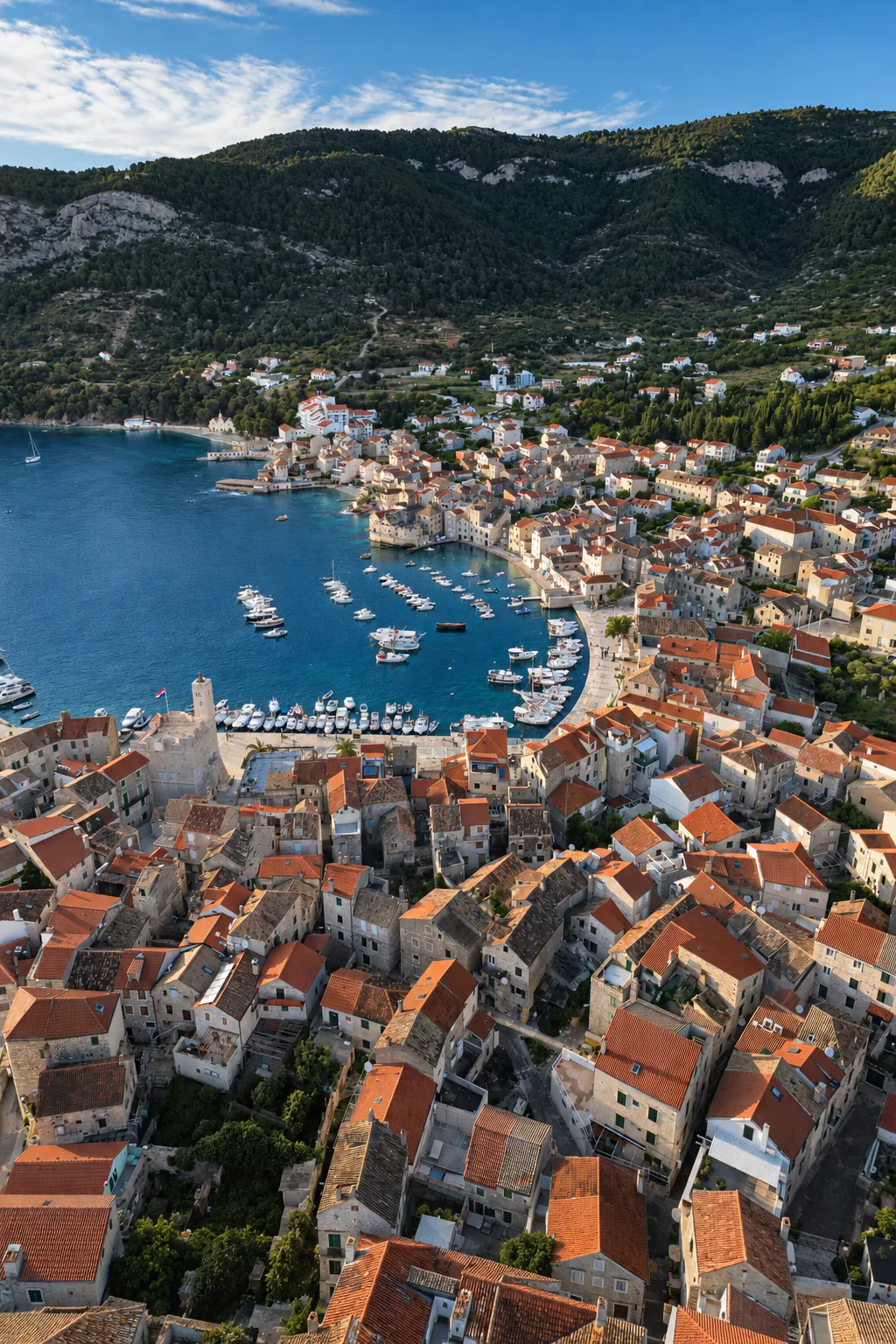
The Mediterranean contains different settings, so the useful enquiry is more specific than choosing a famous coast. An active waterfront, a familiar neighbourhood and a comfortable place aboard can each contribute differently to the owner's desired stay.
Make town life part of the brief
Describe an ordinary day ashore. Where would you walk, meet people or obtain what you need? Would the yacht connect with existing interests in the town, or would the owner want to develop a new routine? These questions help identify the attraction behind the address.
A concrete city-based example is Marina Port Vell, which describes its Barcelona superyacht home-port proposition through a connection with the city. That operator description gives an enquiry a setting; it does not establish availability or suitability for every yacht or represent all Mediterranean bases.
In a hypothetical choice, one owner may value repeated access to a particular town activity, while another mainly wants the atmosphere of a waterfront. The same location can have different relevance to each. A visit should test the experience the buyer actually wants.
Follow the route from yacht to neighbourhood
Walk the berth-to-shore route where practical. Consider the times and company typical of your visits, including any relevant access requirements. A marina's general city location does not reveal every detail between the boat and the places you would use.
Look at the experience aboard while remaining at the berth. Town activity may be part of the pleasure, while the owner also has preferences about outlook and privacy. The particular position should be considered within that balance rather than selected solely from a map.
Confirm relevant facilities for the intended period. A holiday visit may show an appealing version of the town without establishing the routine across a longer stay or another season. Use current provider information where the plan depends on specific availability.
Choose the town before choosing its image
Which part of town would keep drawing you back after the first visit?
The answer can be more specific than a wish for restaurants or culture. Perhaps you want to walk through a neighbourhood you already enjoy, spend time with familiar company or have somewhere pleasant to return between activities. Those intentions give the home-port search direction without turning every attraction in a city guide into a requirement.
Examine the connection in both directions
The route into town is only half of the relationship. Picture returning to the yacht when the group has finished its shore plans. Would the berth's setting offer the atmosphere you want next? A buyer may welcome a busy waterfront and still prefer a less public position aboard, where an appropriate option is actually available.
Ask regular companions about that transition. Someone may value remaining close to activity while another wants a clearer sense of retreat. The exact berth and access arrangement can matter to the balance. A broad Mediterranean or city-marina description cannot settle those personal details.
Keep town life distinct from an event visit
A destination may first attract the owner during a special occasion. Before making it the continuing base, explore whether the surrounding ordinary routine is also appealing. The event may remain a good reason for a particular visit without providing the complete reason to keep the yacht there.
This distinction can change the enquiry. If the owner wants repeated stays connected with the town, relevant facilities and services need consideration during the intended periods. If the purpose is a specific occasion, the associated berth and participation arrangements have their own scope. Neither should be inferred from the other.
Let the town-based intention inform the yacht brief
An owner planning substantial time aboard at the base should explain that intention when discussing the boat. The spaces and support relevant to a settled stay may deserve different personal weight from a programme centred on repeated journeys. Competent professionals still need to assess the yacht and proposed use; the lifestyle brief supplies the purpose of that assessment.
Town life can also be enjoyable on days with no boating programme. Giving those days a positive description helps prevent every visit from becoming an attempt to justify ownership through movement. The boat still needs suitable care and the actual terms must support the intended stay.
Connect the setting with ownership requirements
Have competent people assess the yacht, access route and intended operation. The owner can choose town life as a personal priority while the relevant technical conditions remain a separate assessment. A Mediterranean label cannot supply a universal operating or comfort guarantee.
Establish the support needed while the owner is present and away. The marina's services, local specialists and any management appointment should have understood scopes. City proximity can prompt useful enquiries without proving that the boat's every requirement is covered.
Have consequential berth, personal-stay, contractual and administrative questions addressed appropriately for the circumstances. The desired lifestyle gives those enquiries a purpose, while their answers determine what the arrangement supports.
A town-based Mediterranean plan becomes convincing when ordinary life and yacht ownership connect comfortably. The owner knows why they want to return, how the shore routine works and which practical appointments support the boat. The coast then has a personal role beyond the attraction of its name.
