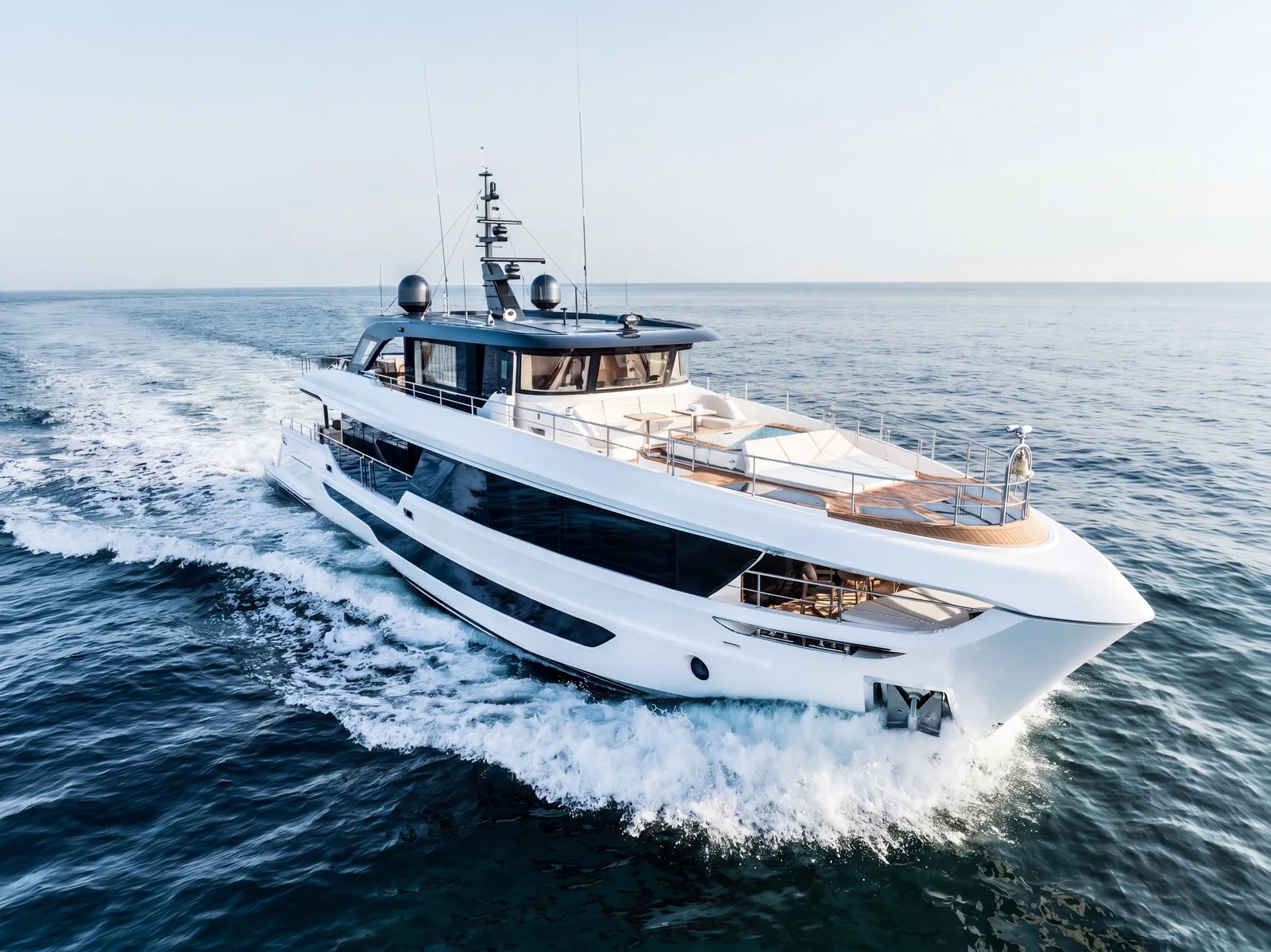
An afternoon aboard can unfold in several directions. Some of the company want to visit the beach, while others are looking forward to time with the water toys. If the same tender is expected to support both, the two plans have a direct relationship.
Understanding that relationship helps you choose a yacht arrangement that fits the way your household likes to spend time. The tender becomes part of the shared afternoon: who needs it, what it is being asked to do and how its use connects the people aboard with those ashore.
Tender-garage provision and water-toys facilities are the two relevant starting parameters in the LYRA catalogue. The useful next step is to describe the intended activities clearly, then have the actual tender, equipment and operating arrangements assessed together.
Describe two real uses of the same boat
Begin with the shore visit. Who is likely to go, what will accompany them and how does their visit fit into the day? The boat used for the transfer needs to be assessed for that particular purpose by the responsible professionals.
Then identify the water-toys activity. Different equipment may call for different support, and the role of the tender should be defined by people qualified to assess it. A broad intention to use toys leaves too much open for a meaningful compatibility discussion.
Place those descriptions beside one another. You may find the intended uses follow naturally in sequence, or that the same period is important to both groups. That observation is valuable at the selection stage because it explains what the arrangement needs to accommodate.
The owner brief can stay in everyday language. Describe the people and the afternoon you want; the appropriate specialists should determine the equipment, staffing and conditions required to deliver the activities.
Give availability as much attention as capability
A tender can be suitable for more than one purpose and still be required in two places at once. The useful discussion therefore includes when it is available, who is responsible for it and how the return from shore will be coordinated.
Consider the group that remains aboard while others visit land. Their preferred activities may depend on the same people or equipment. Making those connections visible helps the team organise a programme that feels coherent to everyone involved.
This also gives you a more accurate sense of how you like to host. Some households enjoy doing things together; others value the freedom for smaller groups to pursue separate interests. The tender arrangement should reflect that preference within a professionally assessed operating plan.
You may discover that the most useful improvement is a clearer sequence for the day. In other cases, the wider yacht and support arrangement may need to be explored. The decision should follow the real programme and the specialists' assessment.
Connect the tender with its place aboard
The garage marker in the LYRA catalogue introduces a storage feature. Establish which tender and associated equipment the actual installation is intended to accommodate, including the handling arrangement supplied on the yacht.
The tender's own configuration should be clear for each proposed role. Equipment carried for an activity may have a different place from passengers' belongings on a shore visit. Ask the qualified team to identify the arrangements they are assessing and how any changes are managed within the actual programme. The owner should understand which complete setup is proposed at each point, including the return of guests from the beach.
Bring those complete setups into the garage comparison. The technical team should assess the selected tender with the actual carrying and handling installation, using the relevant vessel and equipment documentation.
The water-toys-facilities category creates a related set of questions. Clarify what is included, what is optional and how the proposed equipment is intended to be stored and supported. The operating professionals should establish the requirements for its use.
For the owner, the result should be understandable: the tender's agreed functions, its place aboard and the equipment and people supporting the intended activities. That connects the two catalogue criteria with the afternoon you described.

Compare arrangements through the same afternoon
When evaluating a shortlist, keep the people, shore visit and proposed activities consistent. This lets each yacht team explain how its particular arrangement would support the same brief.
Ask what needs to be prepared, which responsibilities are assigned and where the programme depends on coordination. The answers should come from the actual configuration and the relevant specialists. They can help distinguish an appealing presentation from a well-defined ownership proposal.
Then return to the pleasure behind the exercise. You want the beach visit to feel inviting and time on the water to remain enjoyable for the company aboard. A clear arrangement lets the different parts of the day support one another.
Buying a yacht gives you the opportunity to shape leisure around the people you know best. When the tender's roles are understood from the beginning, it can serve that life with a clear purpose, helping shore visits and water-based activities find their own place in the same rewarding afternoon.