I use the word "investment" carefully when speaking about a yacht. I do not mean a promise of financial return. I mean a deliberate decision about time: which days will become available, where they will be spent and with whom. A yacht can be valuable because it changes the shape of a family summer or makes a short escape part of an ordinary week.
The price of the yacht remains real, as do its continuing costs. But a calculation based only on nights aboard may miss the reason the owner chose it. Some experiences are valuable precisely because they bring people together for a concentrated period that would otherwise be difficult to arrange.
Availability changes behaviour
When a yacht is ready nearby and fits the owner's routine, a few spare hours can become time on the water. If every departure needs extensive planning, those same hours may disappear into the calendar. A design or operating choice can therefore influence not just comfort aboard but whether the yacht is used at all.
This is why I would ask where the yacht will be kept, how it will be prepared and who needs to be present before it can leave. These questions sound operational. They are really questions about access to the life the owner is buying.
For a different owner, availability may mean something else: the ability to spend several uninterrupted weeks moving at a personal pace. The yacht should be selected for that rhythm, with the privacy, storage and support it requires. A model optimised for quick afternoons might offer less of the value this owner seeks.
Counting days is not enough
Two owners can spend the same number of days aboard and receive very different value. One may be absorbed by logistics, interruptions and a yacht that does not fit the group. The other may have a dependable setting in which family and friends can genuinely be present together.
I believe luxury objects can gather meaning through use and memory. A yacht offers a particularly vivid example: its value is not confined to the object's specification, but neither does it arise automatically from ownership. It is created by the journeys, rituals and relationships that the yacht makes easier to sustain.
This is also why the LYRA selection process asks about lifestyle and goals, not only the vessel. The intended time has to be described before the yacht can be judged against it.
Time aboard has more than one form
The owner may value a long summer voyage, but also the ordinary mornings in which the yacht feels like a familiar place. A family may use it for a brief reunion rather than many scattered weekends. Another owner may care most about the anticipation of planning a journey and the freedom to change the route while travelling. Counting days treats these experiences as identical units. They are not identical to the people living them.
I would ask the buyer which kind of time they hope to create and which moments they expect to remember. That question is more revealing than asking only how often the yacht will leave its berth. A vessel used sparingly for an annual gathering can still fulfil its purpose if the gathering genuinely matters to the owner. Equally, a yacht that is available every week may create little value if its layout or operating model makes those weeks feel burdensome.
The distinction helps protect against a superficial justification of ownership. The owner need not prove that every day aboard is financially efficient. They do need to know why having this vessel, ready in this way, matters more to them than a less committed way of accessing the sea.
Make the calendar credible
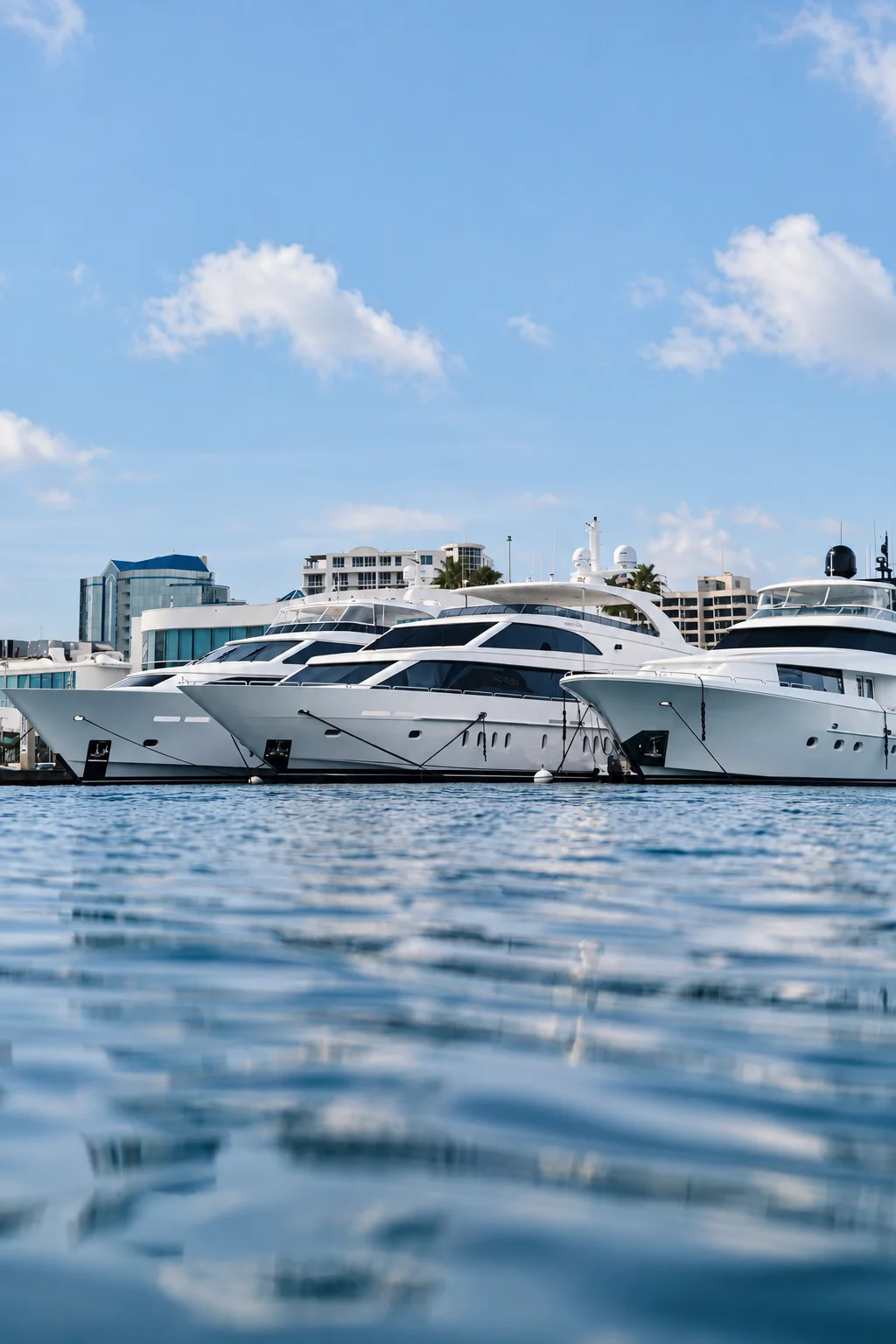
Before choosing, I would look at the owner's real year. How often could they reach the yacht? Which trips are genuinely planned? Who would join them? What amount of organisation would feel natural rather than burdensome? The answers may lead to a smaller, more accessible yacht, or to a larger vessel capable of supporting long periods aboard. The size itself is not the conclusion.
An owner should never have to pretend that personal value can be reduced to a financial ratio. At the same time, the emotional argument deserves practical support. The yacht has to be available, usable and matched to the people for whom the time matters.
In that sense, the return I care about is visible in a calendar and in memory. The right yacht does more than occupy a berth. It helps its owner live the days they had hoped to create.
The owner may also decide that fewer, longer periods aboard have more meaning than frequent brief use, or the reverse. Neither pattern is automatically more valuable. The yacht earns its place when the rhythm it enables is the one the owner actually wants to protect from an otherwise crowded life.