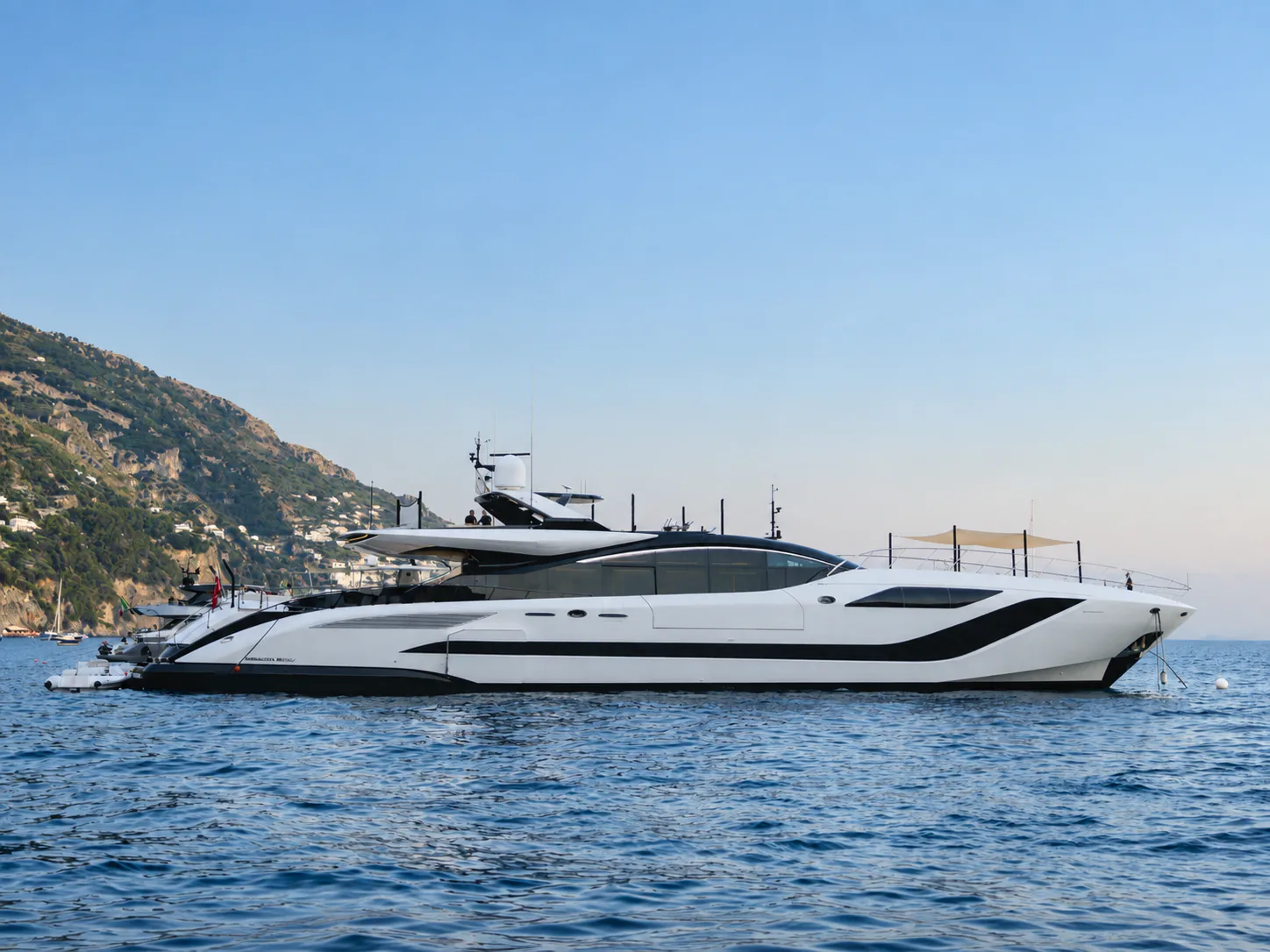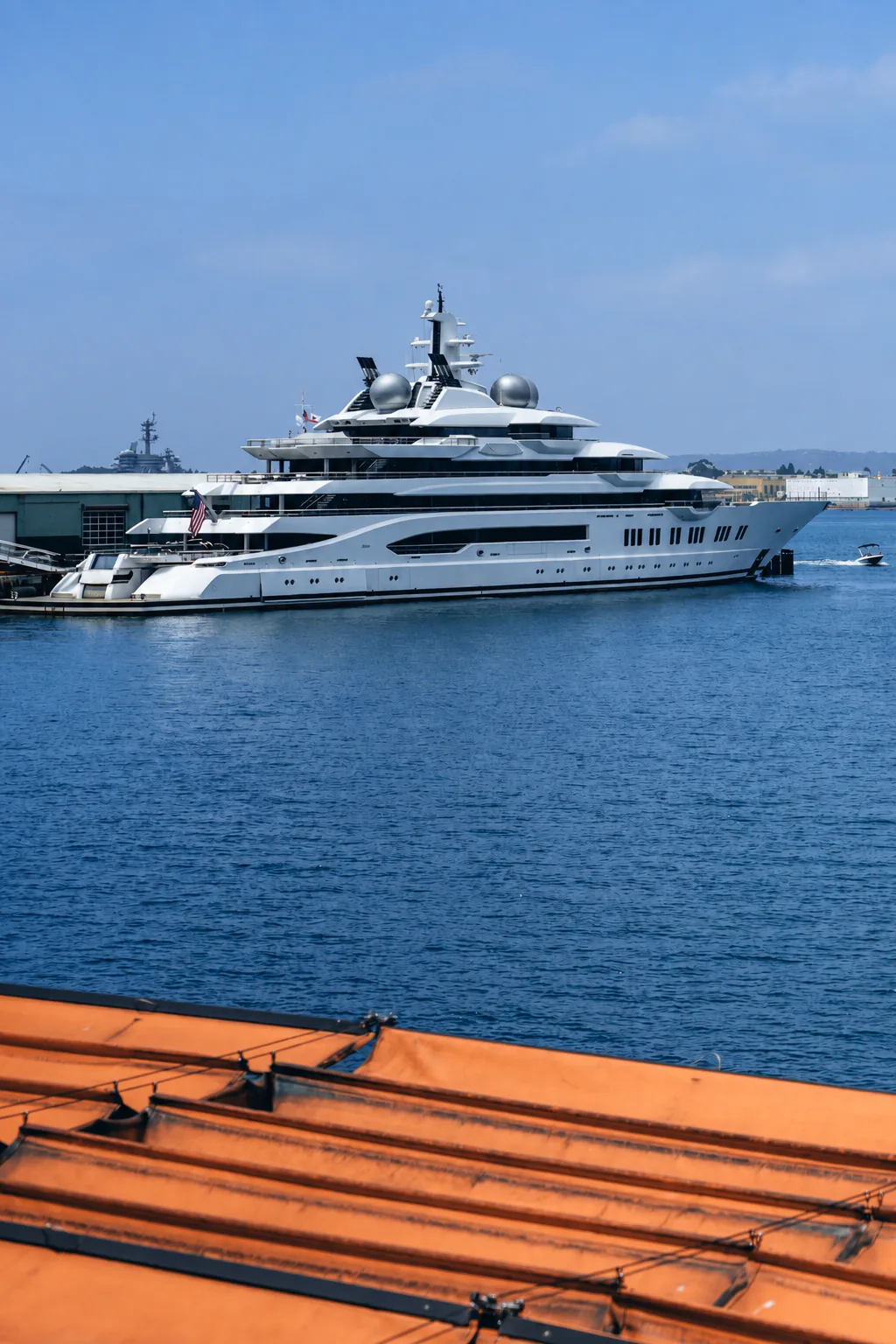
A model page can tell a buyer a great deal about a yacht. It cannot decide which questions deserve to be asked on the buyer's behalf. That distinction is at the centre of independent evidence. The issue is not whether a shipyard's information is useful—it is. The issue is who defines the decision that the information is meant to support.
If an owner wants to use a yacht frequently with family, evidence about that yacht should be gathered around the family's real routines. If a particular operating arrangement is central to the pleasure of ownership, that arrangement deserves direct examination. An impressive general presentation may never ask those questions because it was created for a broad market rather than one person.
Independence begins with the question
Imagine two candidates that both appear suitable for an owner who wants to be closely involved in operating the yacht. A seller may describe the systems and features that make each model appealing. An adviser working for the buyer should frame the question more sharply: what will the owner actually have to do before departure, while manoeuvring and after returning to the berth?
The answer may involve the yacht's design, the owner's experience, local support and the way it will be kept. No single source owns the full question. Independence lies in refusing to let the available presentation set its boundaries.
This is why LYRA's buyer-side approach matters to me. It allows the work to begin with the owner's intended use and to carry that purpose into questions for the shipyard and other specialists. The shipyard's expertise remains essential; it is being asked to answer the buyer's question rather than supply a generic claim of suitability.
Match the reviewer to the consequence
Evidence becomes independent when the person interpreting it has the right role and scope. A technical question may need a qualified specialist. A contractual or legal point needs the professional responsible for that transaction. A layout question may be best tested through a viewing with the people who will actually use the yacht. The yacht adviser coordinates these perspectives but should not impersonate each specialist.
The choice of reviewer depends on what the owner might lose if the assumption is wrong. A detail that can be changed easily may need little more than clarification. A question that affects the operating model, significant specification choices or acceptance of the yacht should receive a more deliberate check.
This is not a demand for maximal due diligence on every feature. It is a demand for proportionate scrutiny at the points where an attractive assumption becomes a real commitment.
An independent conclusion can still be positive
Some people hear "independent evidence" as a search for defects. I see it differently. A buyer may become more enthusiastic when a claim has been tested from their own perspective. The yacht may not merely look beautiful; it may be shown to support the journeys, people and operating rhythm that make it valuable to them.
The evidence can also identify a useful change in specification before the order is settled. A different arrangement may better protect privacy or make a favourite space more usable. That is not an indictment of the original model. It is a more exact expression of the buyer's needs.
The opposite result is also possible. A yacht may remain attractive while an essential assumption fails. Independent advice has to be able to say so, and to explain what the evidence proves and what it does not. The buyer can then choose whether to change direction or knowingly accept the consequence.
Keep the answer attached to the owner
The hardest part of an evidence process is sometimes continuity. A specialist gives an opinion, a shipyard offers a revised configuration, the owner changes a preference and the team moves on. Without a clear decision record, each answer can become detached from the question that made it important.
I would want the owner to be able to see a short chain: the concern, the person responsible for answering it, the material considered, the conclusion and any remaining condition. That record need not turn the purchase into a bureaucratic exercise. It helps ensure that a provisional answer is not later remembered as a final one.
The LYRA catalogue is a useful map for the first stage of exploration. Independent evidence becomes crucial when the search narrows and a particular yacht begins to carry the weight of a possible purchase. At that point, the question is no longer simply "What does the model offer?" It is "What have we established about this owner's proposed yacht and this owner's intended life?"
The strongest evidence is not automatically the most technical document or the longest report. It is the evidence that answers the right question from the right position, with its limits understood. That is how a buyer's confidence becomes their own rather than borrowed from a presentation.