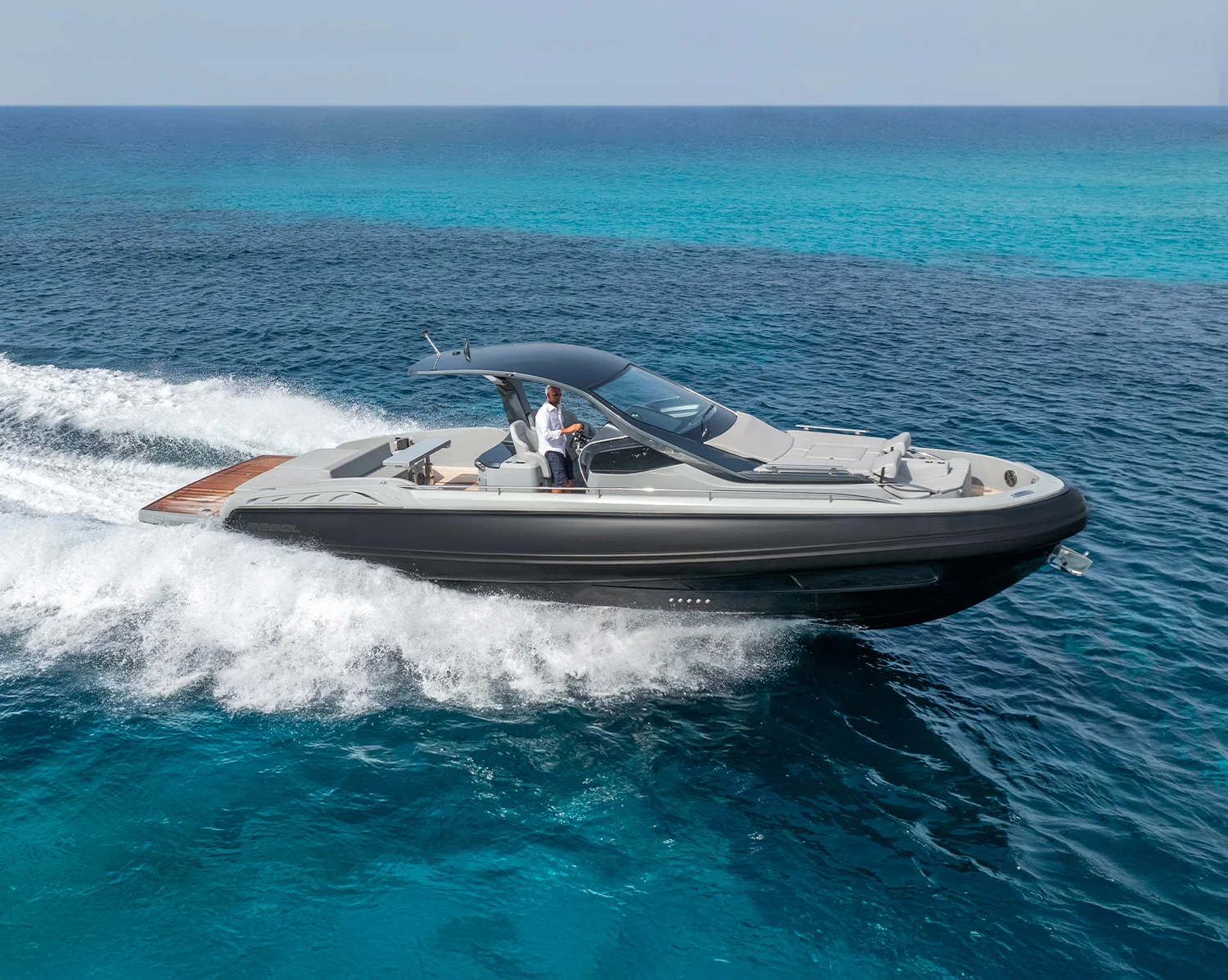
Water toys can make a yacht feel immediately personal. They connect the purchase with activities the owner already enjoys and with the afternoons they want to share. The shipyard conversation becomes more productive when those interests arrive as a clear list of actual equipment, complete with the details needed to assess its place aboard.
Water-toy facilities and the tender arrangement are the two leading catalogue considerations. They introduce the spaces and systems involved. Your own list turns that broad direction into a specific purchase brief the yard and captain can evaluate.
Put exact objects into the brief
An interest in paddleboarding or diving tells the adviser something about the intended day. An exact equipment list tells the yard what may need to be stored, prepared and handled. Include the model or identifying information available, the relevant dimensions and the complete set of accessories.
Where you already own the equipment, use its actual measurements and documentation. Bags, cases, propulsion components or other associated items may form part of the stored package. The people who use and supply the equipment can help establish those details accurately.
If an item has yet to be selected, mark it as a requirement to resolve. A planned item and a confirmed purchase should remain distinguishable. That lets the yard explain which assumptions its proposal relies on and which choices need to be fixed before the layout is finalised.
Give the list a date and a clear version. A supplier may later propose a different bag, accessory or equipment package, changing the object the yard originally considered. Keeping the revised information together means a response about one set will remain distinguishable from a response about its replacement. This is particularly useful when owner-supplied equipment is still being chosen.
Explain which items belong together
Several pieces may support one activity. Their usefulness depends on being available as a complete set, with an appropriate place for each part. Group them by their intended use so the storage proposal can reflect that relationship.
The same applies to the tender. It may share space or handling arrangements with other equipment, and its specification can influence the overall package. The LYRA catalogue helps identify water-toy facilities and Tender Garage among the available features. The selected equipment and actual vessel then determine compatibility.
Tell the yard which activities you expect to use on the same day. That gives the captain and designers a clearer picture of the preparation and deck spaces involved. The aim is a coherent arrangement for the equipment as it will actually be used.
Add the sequence around the equipment
A useful brief describes where an item begins and what happens before it reaches the water under the agreed operating plan. The yard can assess access, handling and storage through the actual vessel. The captain and relevant specialists can address the appropriate use and procedures.
Ask the yard to show the proposed route in the drawings or on a suitable demonstration yacht. A locker dimension becomes more meaningful when it is connected to its opening and the passage beyond it. A carrying system becomes clearer when the complete item is represented in its stored state.
The return sequence belongs beside the launch. Equipment may need care, drying or replenishment according to its instructions. The people responsible should be able to explain how those tasks will fit the proposed arrangement aboard.
Rank the experiences the purchase should support
Owners sometimes bring a long wish list to the first meeting. Priorities make it easier to develop a useful proposal. Identify the equipment central to your regular use and the items intended for occasional visits or future possibilities.
This gives the yard a basis for discussing alternatives. Different arrangements can allocate space to the same activities in different ways. The owner can then choose through the experiences they value, with technical feasibility assessed by the appropriate professionals.
Keep the rest of life aboard in view. Equipment storage should be considered alongside the social spaces, access and facilities the company will use. The purchase is a complete yacht for a particular way of living, with the sporting interests given a well-defined place within it.
Turn the response into a confirmed package
The yard's proposal should identify what is included and which equipment it has been assessed against. Relevant drawings, dimensions and installation details can support that response. Any changes to the equipment list should be considered before relying on the earlier proposal.
Ask for the response to name the list version and identify any unresolved item individually. A confirmed space for the board and an open question about its accompanying equipment are then visible as separate outcomes. The next conversation can address the remaining detail while preserving the decisions already made.
Confirm the supplied items, carrying arrangements and associated work through the purchase specification. Where an item remains owner-supplied, make that responsibility clear. The final package should be understandable to the owner, yard and captain preparing for delivery.
A precise list does more than improve a storage conversation. It shows the shipyard the life you want the yacht to support. The resulting arrangement can then feel personal from the first season, with favourite activities already considered in the spaces built around them.