
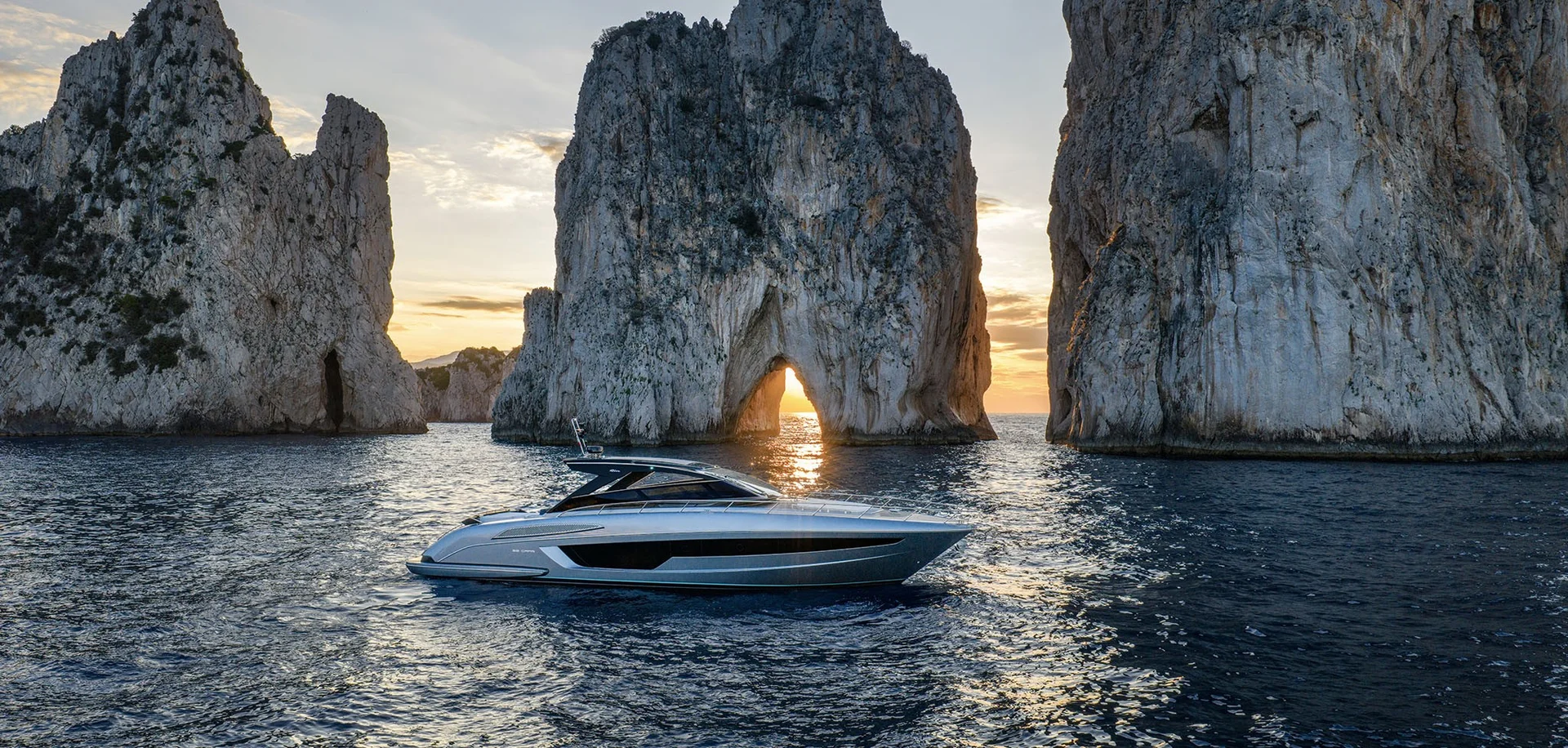
An island may be personally attractive for a reason worth accepting more planning. A mainland base may connect more naturally with another owner's life. The useful comparison gives both options a credible form instead of treating one as remote and the other as automatically convenient.
Explore the setting you would choose
Describe what draws you to each candidate. Is it a town, a preferred activity, a quieter stay or an existing personal connection? That reason helps decide which compromises deserve consideration and which would undermine the intended experience.
For a concrete island example, Port Adriano's location information places the marina in Calvià on Mallorca. Marina di Loano's contact page identifies a Ligurian mainland setting. Use these places to frame specific enquiries about travel, support and the stay you want; neither represents every island or mainland base.
Picture the same ordinary stay in both places. Include time aboard, the shore routine and the people coming with you. The comparison should identify what the owner would actually enjoy, rather than reward whichever destination has the strongest general image.
Trace people and support to the yacht
Investigate the complete travel route for the periods you expect to visit. Current transport options, final transfers and berth access should be checked for the actual plan. A destination's general connectivity does not establish a convenient journey from every starting point.
Ask relevant providers about the yacht's care and specialist work. Equipment, materials and the people required need an understood route to the boat or appropriate facility. Avoid assuming that an island lacks support or that mainland proximity guarantees the right professional capacity.
For an imagined service requirement, one candidate may have a relevant local provider while another depends on a planned appointment from elsewhere. The decision should include the scope, access and proposal. The geographical label alone does not answer which arrangement is preferable.
Compare connections rather than labels
Compare each route from the place you would actually start the journey.
This also applies to people sharing the boat. A convenient route for the owner may differ from one used by regular companions. If time together is central to the purchase, compare their realistic attendance too. Do not let the owner's best connection become an assumed account of everyone's journey.
Keep the personal attraction visible
Keep your personal reason for choosing each place in view as you compare travel and support.
The preference should still concern a particular setting. Ask what an ordinary day would contain in each place: time aboard, a route ashore, chosen activities and the people involved. This makes both options comparable without treating one as an adventurous holiday and the other as an ordinary working week.
Follow relevant support through its full route
A provider's physical location is only one part of a service arrangement. Establish which work it can undertake, where that work happens and how the yacht, people or materials reach the appropriate place. A nearby business name cannot answer every stage of the enquiry.
Include the periods when the owner is absent
A base chosen for enjoyable personal stays also needs an appropriate route for continuing care. Ask the appointed people to explain their scope, access and reporting. The plan should remain intelligible between visits, rather than depend on the owner's presence whenever a practical question arises.
If another location is needed for particular work, treat that connection as its own assessed project. It may be entirely acceptable once the actual arrangements are clear. Its convenience cannot be established by visual proximity on a map.
Connect the base with intended cruising
Have competent people assess the particular yacht, relevant routes and conditions. The island or mainland setting may influence the plan, but it cannot establish operating suitability. The owner should understand the possibilities and constraints relevant to their desired use.
Confirm the berth and any longer-stay or administrative arrangements with the appropriate providers and advisers. A familiar region or a place to keep the boat does not settle every question about the owner's intended lifestyle. Keep material dependencies visible before committing.
Compare owner time and the work each plan requires alongside actual quoted contents. A location can be worth additional preparation when it serves a genuine personal purpose. That choice should be made knowingly rather than supported by an assumed universal price or convenience advantage.
The stronger base is the one whose setting and arrangements fit the owner together. Island and mainland become useful enquiry headings, while the particular place supplies the evidence. The result is an ownership plan built around a coast the person wants to use and a practical way to do so.
