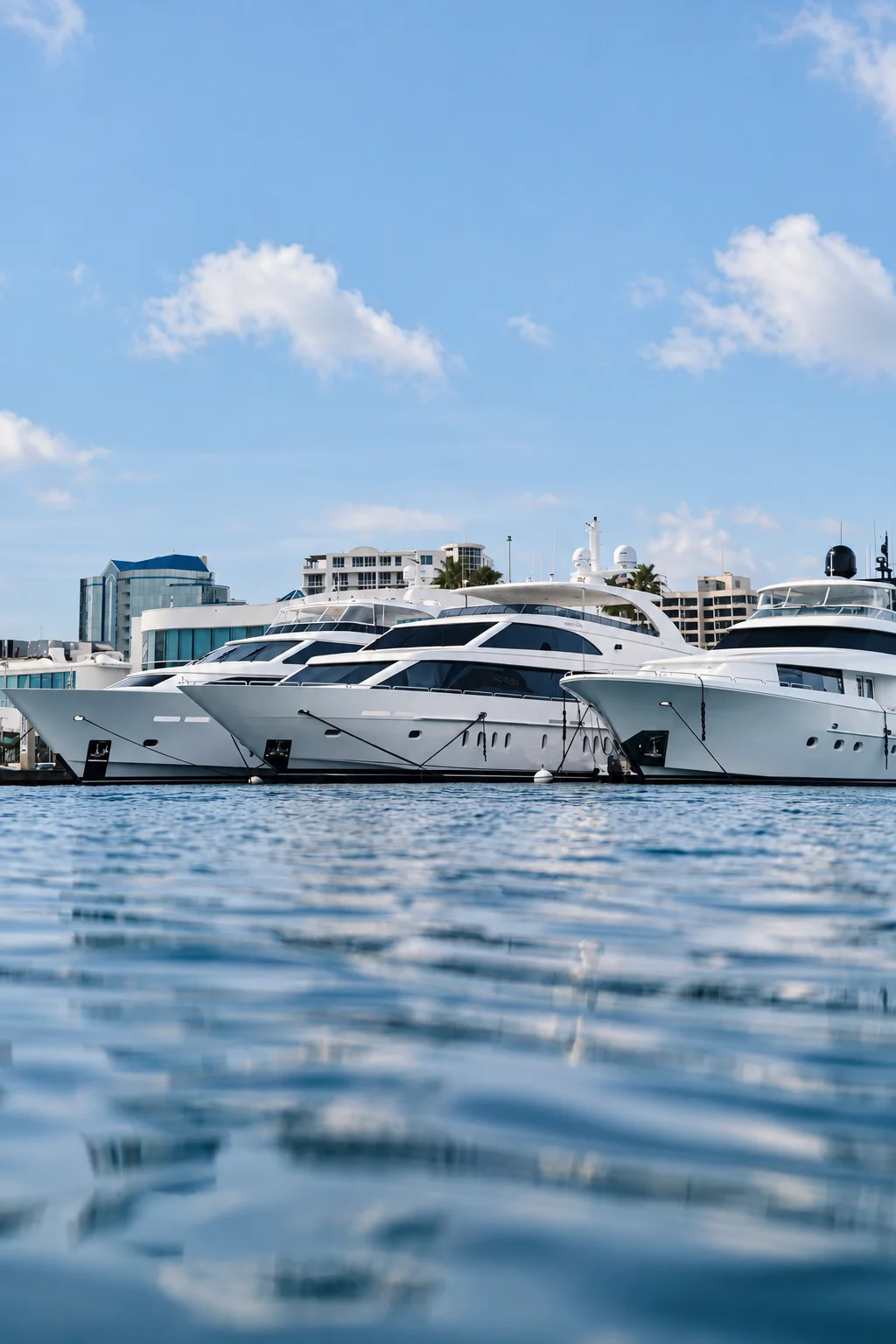
An owner loves taking the helm but wants guests to feel hosted during a week of cruising. Another owner wants to watch the coastline with family while a professional team handles the passage. Both may be looking at yachts of similar size. A Recommended Crew number alone will not reveal which design gives either person the role they want. The comparison has to describe the work and the owner's place in it.
LYRA model pages show a Recommended Crew value. The field is an initial operating indicator, not a regulatory minimum or a statement that all yachts with the same number work alike. It becomes a useful comparison when each candidate is tested against one shared trip and one clearly chosen owner role.
Draw the same week for every candidate
Start with the actual programme: departure from a home port, a passage to another harbour, several days at anchor and the return. Record how many guests are aboard and what level of service they expect. The longer stay matters because duties overlap. Someone may be navigating while another prepares a meal, handles a tender or attends to a technical issue. A dayboat comparison would miss that concurrent work.
Now put the owner into the picture. If they want to skipper, identify the support they would still enjoy: mooring assistance, route planning, guest care or maintenance between visits. If they prefer a fully hosted experience, ask what privacy they expect and where the crew will work and rest. The answer can change which yacht feels natural even when both have the same displayed number.
This is not a contest between independence and luxury. An owner can be closely involved and still value expert support. Another can be less involved in operations while deeply engaged in planning the voyage and entertaining aboard. The right crew arrangement protects the kind of participation that makes the yacht personal.
Let the layout explain the number
On each candidate, trace the route from helm to mooring station, galley, cabins and tender. Could the intended team perform overlapping tasks without repeatedly crossing private guest areas? Is crew accommodation appropriate for the people expected aboard during the whole week? Does the yacht's operating equipment support the way the owner wants to take part? A number becomes meaningful when it is placed inside this physical arrangement.
As an illustration, the Contest Yachts 85CS page displays Recommended Crew 2. That tells the reader how LYRA presents the field, but it does not specify which two roles a particular owner should employ or how that exact yacht should be run. The example should lead back to yachts in the appropriate sailing segment, where layouts, voyage plans and owner participation can be compared directly.
The comparison can also include shore-side help. A yacht with an owner at the helm may rely on a manager to organise service and supplies between trips. A fully crewed yacht still needs maintenance coordination. Keeping afloat and ashore responsibilities distinct stops the crew count from carrying more meaning than it can support.
Finish with a workable human plan
For each candidate, write one short account of the week: who prepares, who navigates, who looks after guests and who restores the yacht after use. Where the account feels strained, identify whether the issue is a missing role, a layout conflict or a service arrangement that needs to be established. A captain or experienced manager can test the plan against the exact yacht, passage and applicable requirements.
LYRA's yacht-selection philosophy asks the buyer to choose around the life they want afloat. Crew requirements are one of the most human parts of that choice. A good comparison gives the owner a role they will love and the people around them a yacht that makes their work and everyone's enjoyment fit together.