The most useful propulsion comparison may happen within a single model. If a yacht is offered with different engine and drive packages, the exterior, intended guests and much of the layout remain familiar while the owner's operating questions change. The buyer can ask how each version leaves the marina, travels at the desired pace, returns home and is serviced. This gives the comparison a shared day instead of a contest between labels.
LYRA's catalogue may describe a model's Engine Type as configurable. The word means that a choice exists or that the exact arrangement needs confirmation; it does not state which version has been priced, built or made available. A comparison must identify the actual proposal before drawing conclusions about it.
Fix the package before comparing performance
Start with the number and type of engines, drives, controls and installed options for each version. Ask the yard or broker for the specification that corresponds to the yacht being considered. Performance figures can change with those choices, as well as load and test conditions. A speed figure from one package should not be carried across to another simply because the hull has the same model name.
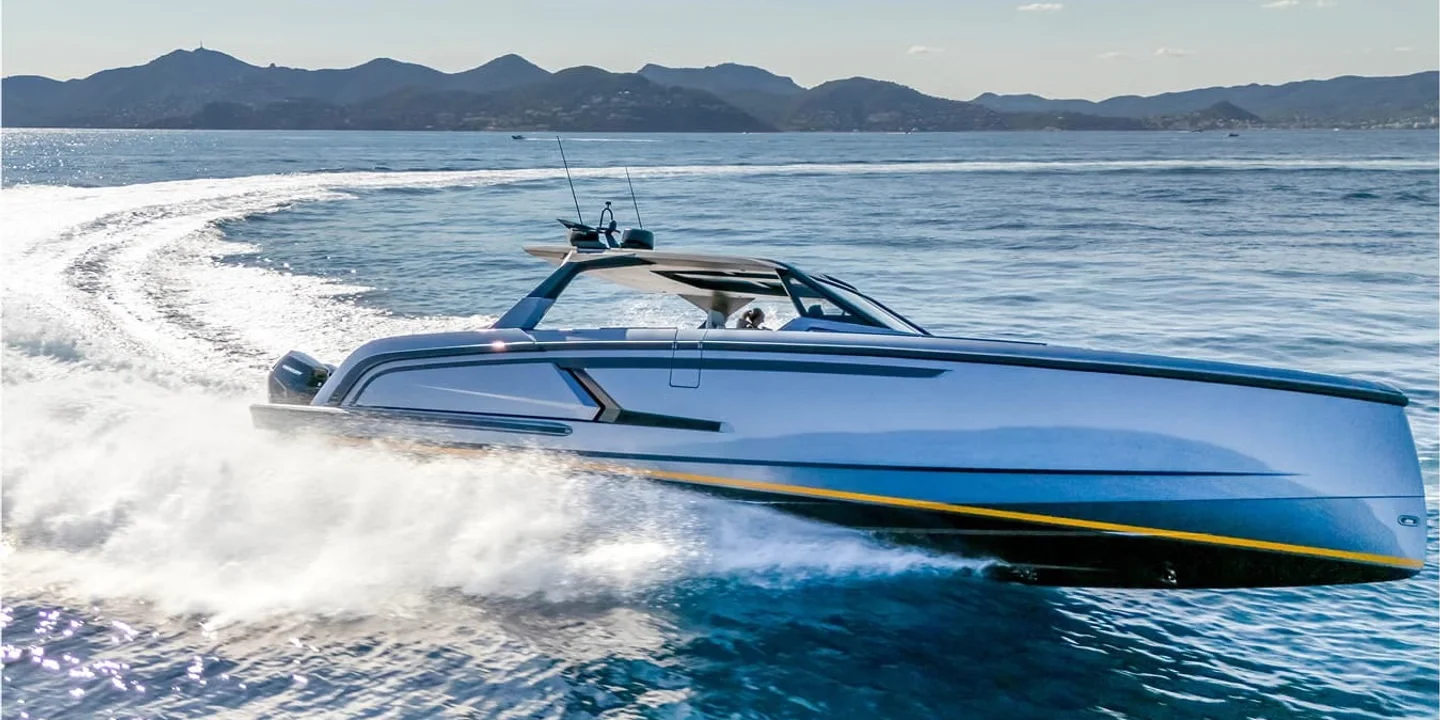
The Vanquish VQ55 is an example in LYRA of a model page that records a configurable propulsion field. It makes the general issue easy to see; the article is not centred on that particular model. Other configurable yachts and other propulsion approaches belong in the wider segment once the owner's type and size brief is clear.
If two different yachts are being compared, hold the intended task constant. A short coastal journey with repeated marina manoeuvres creates different priorities from a long passage with professional crew. The buyer should not call one system “better” before deciding which use it is meant to serve.
Repeat the same operating moments
At departure, compare low-speed response, visibility and what the driver must do with the controls. During travel, consider the actual cruise the owner expects to make: the sound and sensation in occupied spaces, the speed achieved in relevant conditions, and the fuel and service implications that can be documented for that package. On return, pay attention to the manoeuvre at the chosen berth and the work needed before the yacht is ready again.
Some of this can be understood from technical information; some needs a trial. A sea trial of one configuration cannot establish the feel of another. A professional may be needed to explain differences in the drive train, maintenance access or installation. This does not make the choice intimidating. It makes the buyer's curiosity precise enough to receive a useful answer.
Service deserves its own comparison. Locate the support available for each installed package along the owner's normal route. Check how technicians reach the machinery, what warranty or maintenance arrangements apply, and whether the owner expects to manage that work personally or through a captain or yacht manager. A beautifully matched engine package is more satisfying to own when its support is clear from the start.
Finish with a reasoned preference
The useful conclusion is not that inboard or outboard wins everywhere. It is that one documented arrangement better supports this owner's desired pace, berth, route and operating style. The reason should be written beside the exact specification and the evidence still to be checked. Another owner could make a different choice from the same options and be equally well served.
LYRA's yacht-selection approach keeps the focus on the life a yacht will deliver. Comparing engine configurations around a repeated day brings the machinery into that life: the departure that feels inviting, the journey enjoyed at the preferred pace, and the return that makes the next outing easy to imagine.