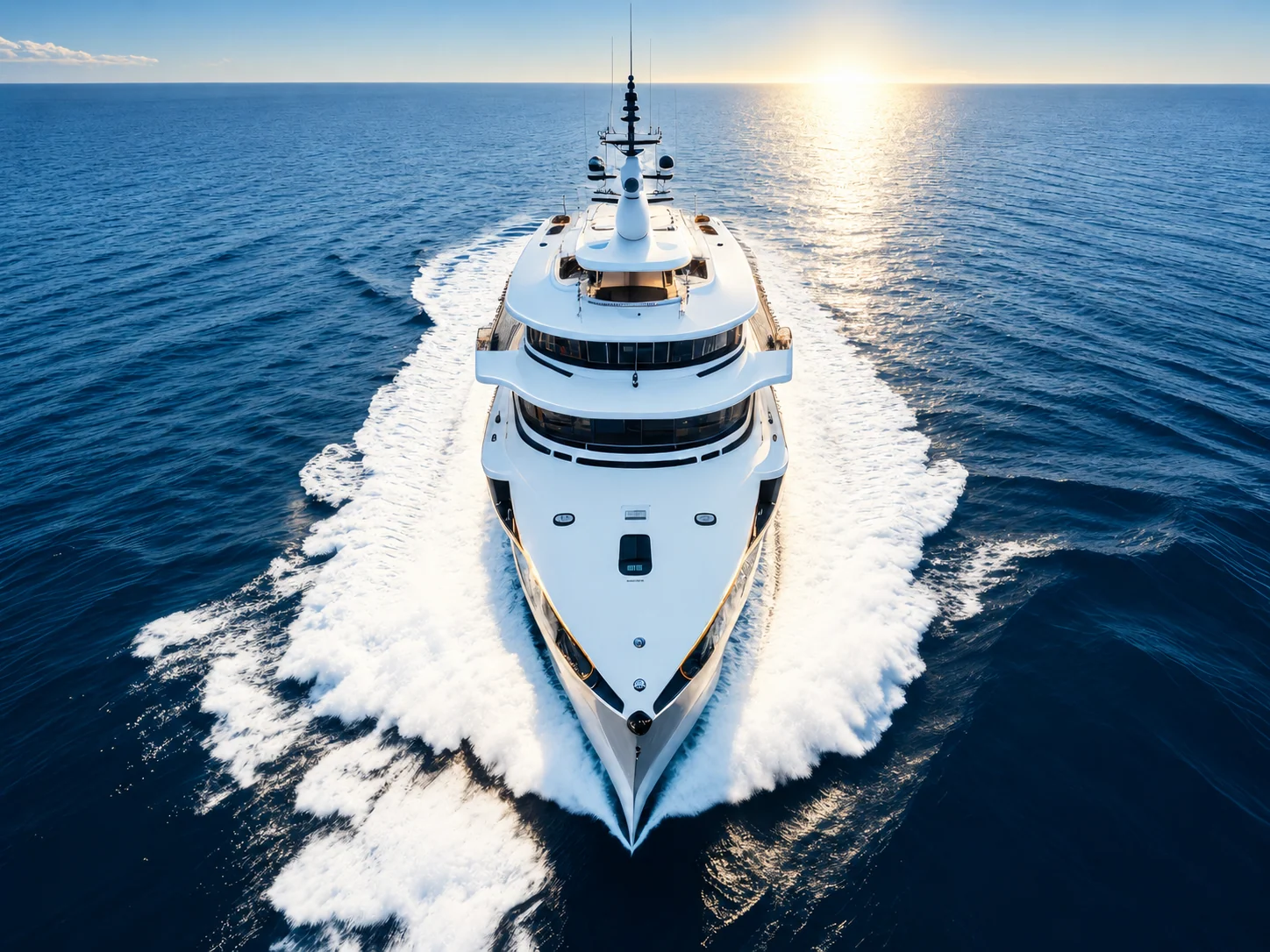
For many owners, a passage is time spent with the people aboard. There is a view to share, a conversation that carries on from lunch and the pleasure of being together while the coast changes outside. The seats where that happens deserve as much attention during selection as the destination.
Cruising speed and guest capacity provide two relevant starting parameters in the LYRA catalogue. They connect the intended pace with the company you expect. A suitable trial then lets you experience how conversation feels in the places where those people would actually sit.
Begin with your preferred kind of passage
Describe the experience you want while under way. You may imagine a quieter conversation in the saloon, a few friends together outside or someone sitting beside the helm. Each setting gives the passage a different social character.
The captain and representative can plan an appropriate demonstration around those preferences, with the vessel operated within suitable conditions. The published cruising-speed figure helps frame the discussion. The actual speed and arrangements during the trial are determined for the yacht, location and circumstances.
This gives the assessment a useful purpose. You are looking for the seats and surroundings that support your intended company, with a clear understanding of the conditions in which you experienced them.
Sit where the conversation would happen
During the parts of the trial the captain makes available, spend time in the relevant guest areas. A seat beside a friend can feel different from one facing across a table. The distance between people and the orientation of the furniture contribute to how naturally they converse.
Try the ordinary situation you have in mind: two people talking, a small group around a table or someone reading nearby. The point is the human experience, so the regular company can provide valuable observations. They can explain which place they found comfortable and where conversation felt less easy.
Notice who was part of the exchange. Talking to the person beside you and joining a conversation across several seats can ask different things of the arrangement. If the family usually gathers as a group, give that shared moment attention alongside a quiet conversation for two. Each observation should identify the seats involved so the result remains understandable afterwards.
The view and shelter also influence the appeal of a seat. Someone may value a protected interior position while another enjoys being outside. A yacht with several suitable areas can accommodate those preferences within the same passage.
A useful observation names the particular seat, company and trial conditions. It describes the experience you had in that setting, giving the next comparison a clear reference.
Understand the arrangement as demonstrated
The way the yacht is set up during the trial should be clear. Doors, windows, shade arrangements and relevant equipment can all be part of the setting you are experiencing. Ask the representative to explain the configuration and how it relates to the yacht being offered.
If the final specification differs, discuss which differences may matter to the guest areas you value. A trial aboard a related version is useful, with the relationship between that version and your proposed yacht made explicit.
Technical questions about sound and vibration can be addressed by the relevant specialists where they are important to the purchase. The owner's personal assessment contributes something different: how pleasant it feels to spend the passage in a particular place with familiar people.
That distinction helps the buying process remain clear. Measured technical evidence and a guest's experience can inform the same decision, each with its proper scope.

Keep comparisons close to your real use
When viewing several yachts, use a consistent picture of the passage. The same kind of company and preferred seating activity give your observations a common reference. Where trial conditions differ, record that difference rather than forcing a direct conclusion.
A short note can capture the setting while it is fresh: where people sat, the speed reported during that part of the trial and the relevant configuration explained by the demonstrator. The note preserves the context of your impression. A technical sound assessment, if commissioned, has its own documented method and conditions.
The adviser can help arrange further assessment for the points that remain important. Sometimes the useful next step is more time in one seating area or a demonstration closer to the intended configuration. The purchase process can then resolve a specific question.
Guest capacity should remain connected to the actual seating plan. A yacht's maximum number does not describe how many people will enjoy one conversation around a particular table. Assess the regular group in the places they would use.
Give the journey its own value
After the trial, recall where you would happily spend the next passage. It might be an indoor sofa with a clear view, a sheltered cockpit table or a companion seat close to the helm. Describe the experience in those concrete terms.
A yacht that supports conversation in the way you enjoy gives the journey a stronger place in ownership. The time between harbours becomes part of the day everyone looks forward to, with comfortable company and a changing coastline already offering much of the pleasure.