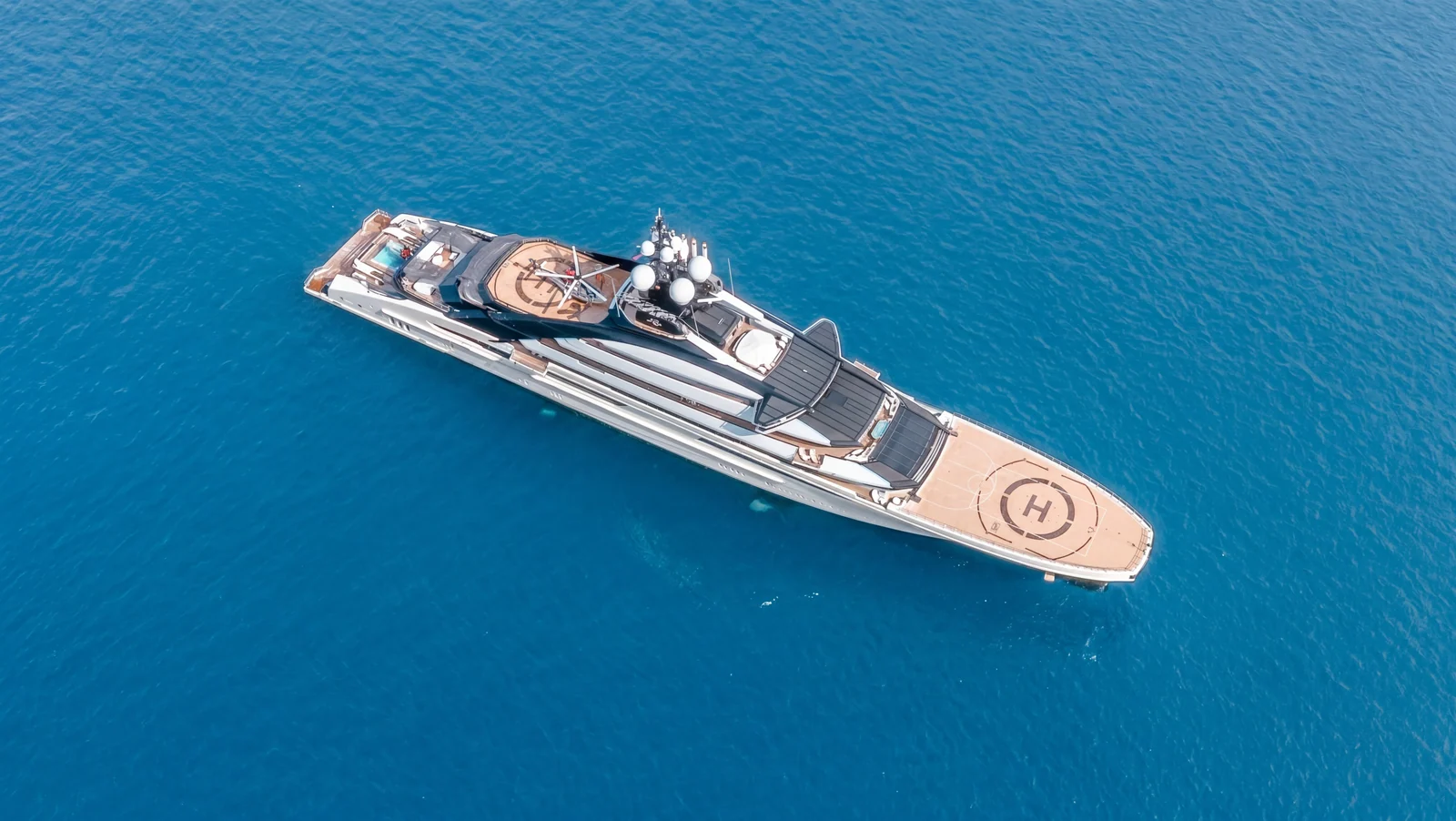
A shipyard's yachts may first attract you through their lines, interiors or particular interpretation of life at sea. As a purchase becomes more concrete, another relationship begins to matter: how the boat will be supported where you intend to enjoy her.
The yacht may spend her working life some distance from the place she was built. Understanding that connection gives the shipyard conversation a practical focus. You can explore how enquiries, service work and technical information are expected to move between your base and the people responsible for the boat.
Shipyard and coastal-cruising suitability are useful starting criteria in the LYRA catalogue. The first organises the catalogue by shipyard; the second gives context to the way you expect to use the yacht. The support arrangement needs to be established for the actual project and cruising area.
Begin with the base you have in mind
Describe where the yacht is likely to be kept and the coastal programme you want to develop from there. Include the periods you expect to be aboard and any longer absences. The purchase team can then discuss support against a recognisable ownership pattern.
A base is more than a geographical point. It is the place where the yacht will be prepared, where service providers may attend and where someone needs to understand your routine. Tell the team which of those arrangements are already in place and which still need to be organised.
Ask how the proposed support relates to that setting. The useful answer identifies the people involved, the functions they provide and how contact is made. A general description of a network becomes more valuable when it can be connected to your intended use.
Keep the discussion specific to the yacht being offered. Different projects and installed equipment can involve different support relationships, even within a builder's wider range.
Understand the first point of contact
During ownership, a technical question may begin as a simple observation: something has changed, a service date is approaching or you need information about a fitted item. Knowing where that enquiry starts is part of a comfortable support arrangement.
Ask who receives the initial enquiry and how it is directed to the appropriate person. That may involve a yard contact, representative or another provider within the agreed structure. The role should be clear to you before handover.
The same applies to information. Establish how the relevant records, equipment details and service history are made available to the people assessing a question. An understood route for information helps the boat receive attention based on the correct specification.
This gives the owner a practical relationship with the builder and support team. You know how to begin a conversation and what the agreed arrangement is intended to provide.
The language of that communication can be part of the brief. Establish how an owner enquiry will be understood by the people assessing it and how their answer will reach you. If a local representative coordinates the exchange, understand that role within the agreed service. The arrangement should remain clear when information needs to pass between the base and the builder.
Distinguish the yacht from its installed equipment
A yacht brings together systems and products with their own documentation and support requirements. Ask the relevant professionals to explain which matters are handled through the shipyard arrangement and which involve a particular equipment supplier or specialist.
The answer should identify the responsibilities within the proposed ownership support. Warranty terms, service scope and provider availability need to be understood through the applicable documents and current confirmations. Broad brand familiarity is useful background, while the particular installation requires its own account.
Discuss planned maintenance as well as unexpected enquiries. Knowing who can carry out the relevant work near the intended base helps you understand how the yacht's programme might be organised. The technical team should determine what work is required and who is qualified to perform it.
The LYRA catalogue can bring together yachts from the builders you are considering. The support comparison adds something the exterior photographs cannot show: the proposed working relationship after the purchase.
Carry the understanding into the offer
When the arrangement becomes part of the purchase decision, ask for its relevant elements to be made clear in the project information and applicable agreements. The appropriate advisers can help distinguish included support from separately commissioned services.
Record the contacts and responsibilities that will be useful at delivery. If the intended base changes during the purchase, revisit the support conversation so it continues to describe the yacht's expected life.
You can then compare shipyards through something personal and concrete. One proposal may connect particularly well with the base you prefer; another may call for a different organisation of support. Understanding the details lets you weigh those arrangements alongside the design you love.
A yacht purchase establishes a new way of spending time. Exploring the shipyard through the support you will need helps make that life feel complete, with the pleasure of the boat connected to the people and information that will help you care for her.