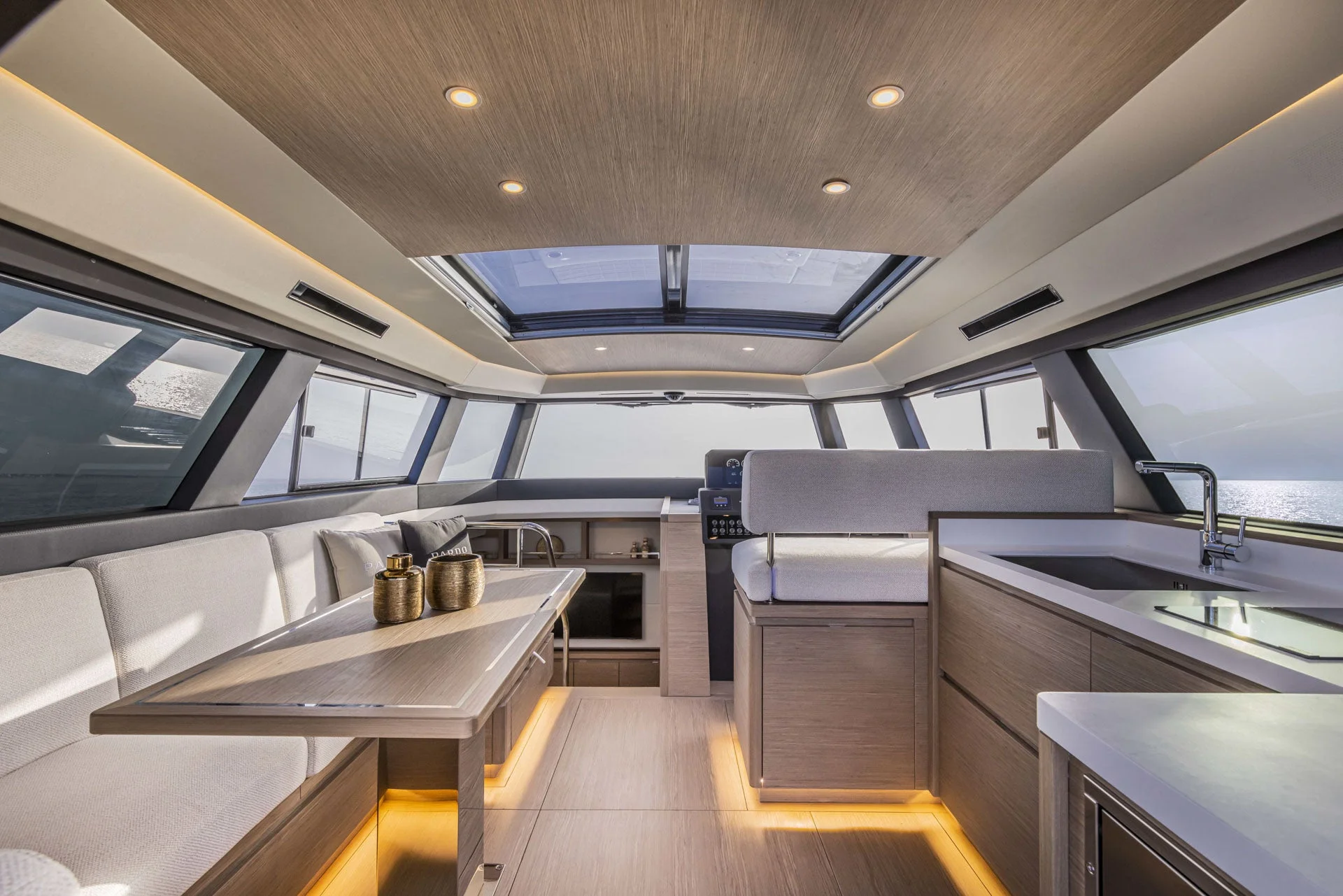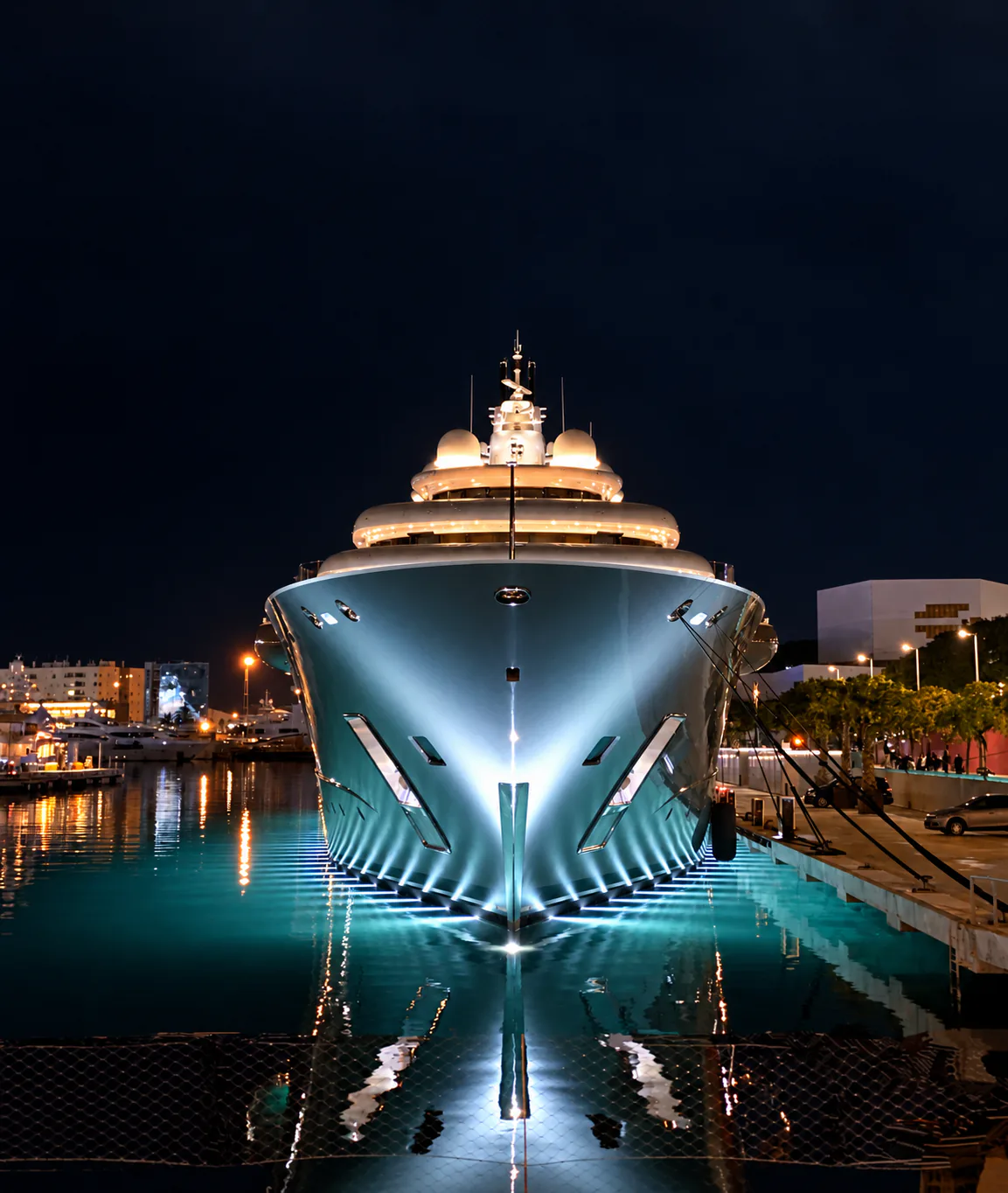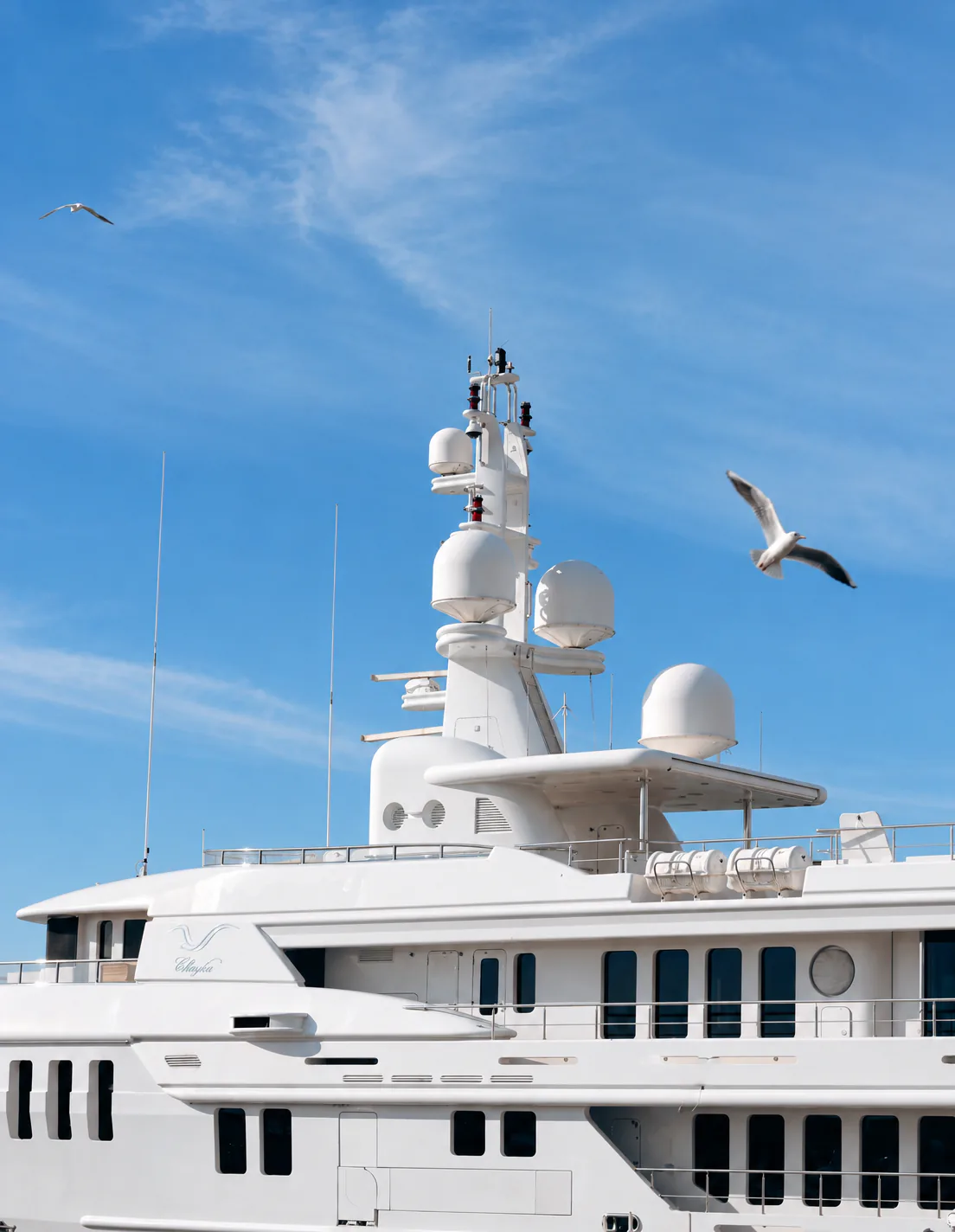
Picture the afternoon an owner hopes to have every week. The yacht leaves quickly, a few friends swim from it, equipment comes out without a lengthy setup, and everyone returns aboard for a late lunch. That scene is specific enough to guide a search. It says more than “motor yacht” or “large cockpit”, because it identifies a repeated way of living on the water.
LYRA's catalogue includes activity controls such as Water Sports and Jet Ski & Seabob, alongside suitability controls such as Family and Travel. Individual model pages can describe further activities, including diving or fishing. These tags are invitations to explore a relevant part of the selection. They do not certify that a particular tender, toy, storage arrangement or safety system is installed on the yacht being offered.
Use one recurring activity as the anchor
For the weekly swimming day, Water Sports is a natural discovery cue. The next question is frequency. A launch arrangement that is delightful on an occasional holiday can feel cumbersome if it must be used every Saturday. The owner should decide what happens on the ordinary day: how many people come, what equipment they bring and how quickly the boat should be ready.
This keeps the search focused without making it narrow in a dull way. Different yacht designs may all satisfy the activity, yet create different moods around it. One brings guests directly from a broad cockpit to the water. Another gives them a sheltered lounge and a more deliberate transition to the bathing area. A third may be designed around a tender or water-toy programme. The tag gathers possibilities; the owner's rhythm shows which ones are worth a closer look.
As a catalogue example, the Astondoa 677 Coupe page lists water-sports and diving activities. This illustrates how LYRA describes a possible use, not a guarantee that a specified piece of equipment comes with an exact yacht. After seeing the example, the buyer can explore yachts in the relevant segment and ask how each design supports the weekly activity.
Follow the activity through the yacht
The decisive details are often physical. Where are wet items stored? How do people move from the water to a shower or dry seating? Is there enough space for guests who want to swim and those who prefer to remain aboard? Who supervises children near the water? How will a tender or toy be launched, secured and cleaned? These questions turn a tag into a lived experience.
The answer may be found in a general arrangement drawing, an equipment list, photographs or a direct viewing. A model-level activity label cannot resolve the exact configuration. If a particular piece of gear is central to the owner, its inclusion, handling requirements and safe use should be checked in the current specification with an appropriate professional.
The same method works for other ambitions. A Travel tag can lead to questions about days aboard and route planning. A Family tag can lead to questions about circulation, supervision and sleeping arrangements. An Events tag can lead to questions about guest movement and service. The tag remains the opening phrase; the owner writes the complete sentence about their life.
Let the search stay alive
An activity-led search should bring the buyer into contact with more yachts, not only a predetermined brand. The LYRA selection approach begins with the experiences ownership can create. Tags help reveal where those experiences might be found in the catalogue. The rewarding work is to look beyond the label and discover which yacht makes the desired day so natural that the owner will want to live it again next week.