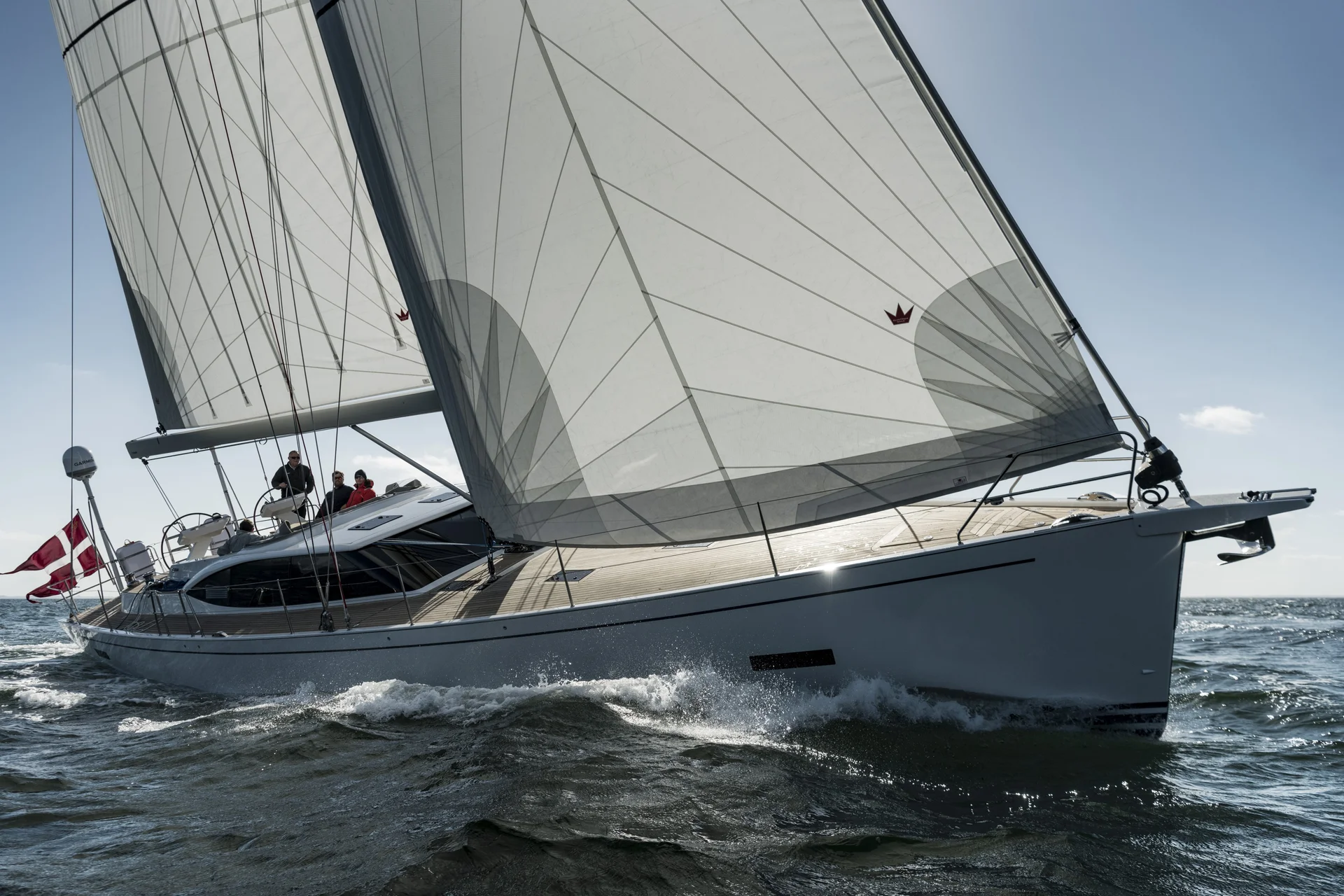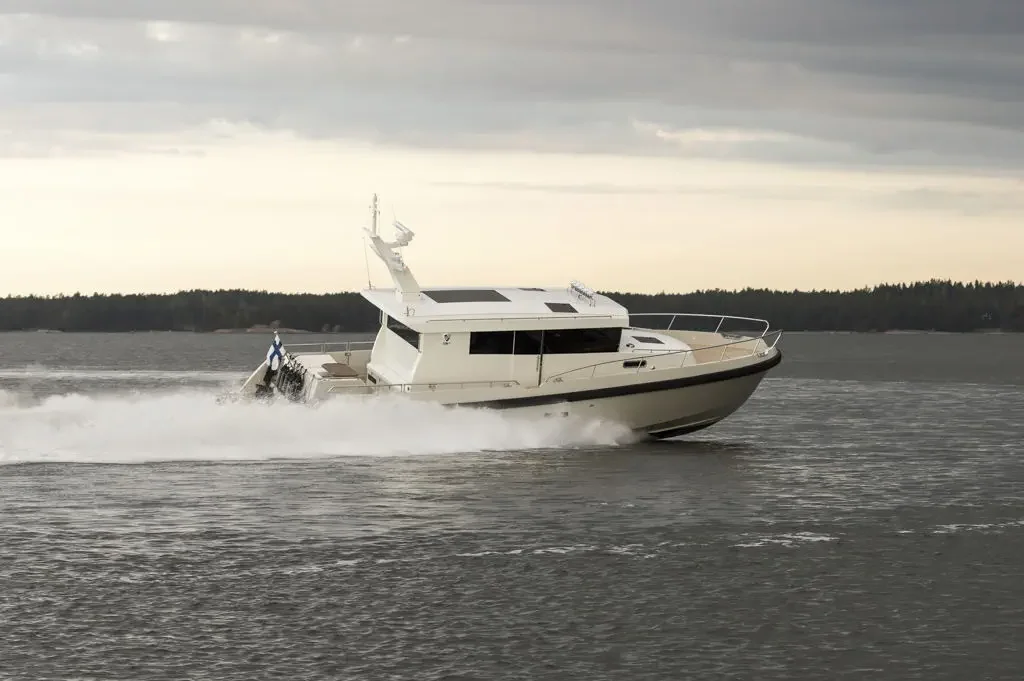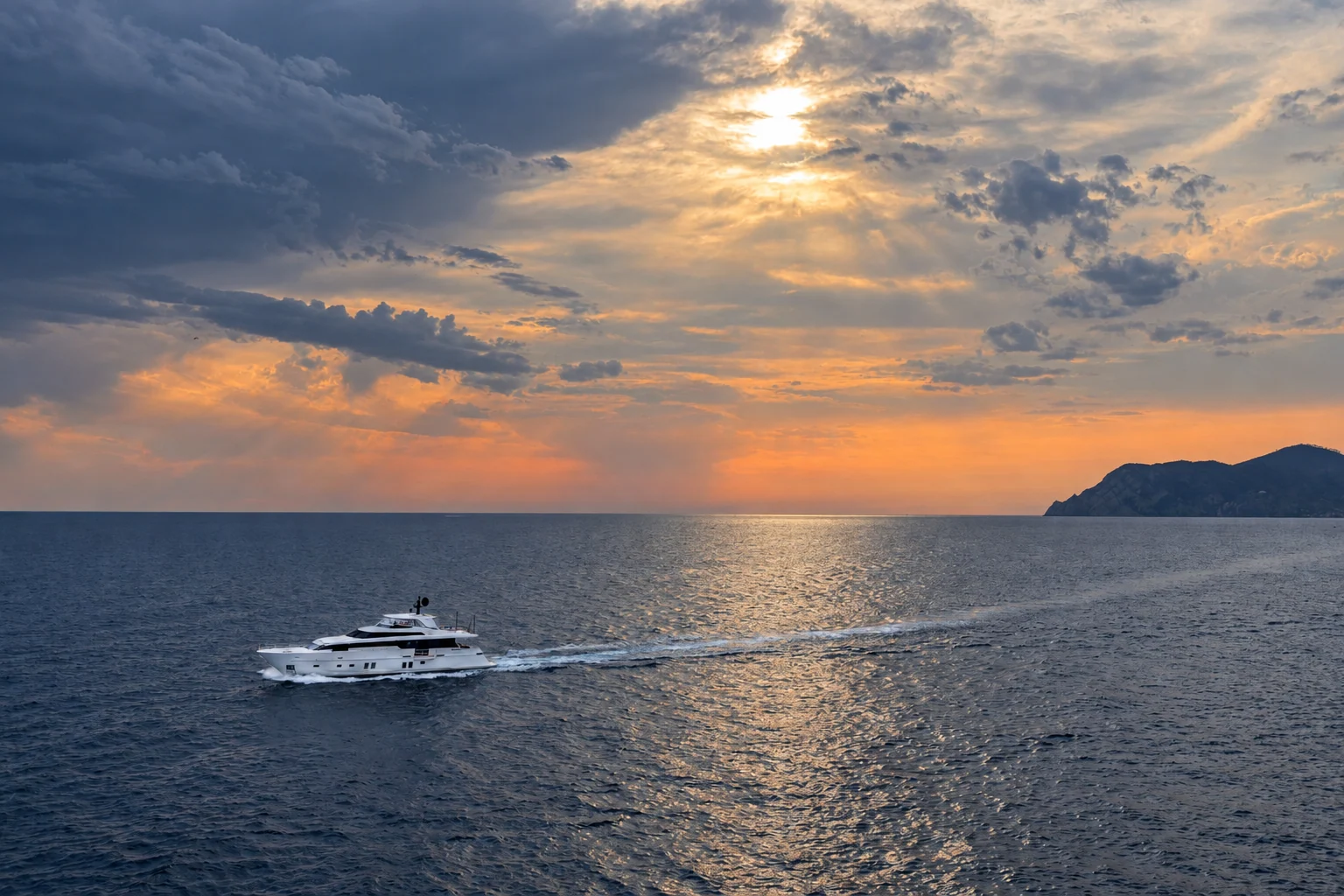
The yacht is anchored outside a coastal town. Some of the company want to go ashore for dinner; others will stay aboard. In the owner's imagination, this is one relaxed evening. In the purchase brief, it involves two vessels doing different jobs. The main yacht has brought everyone to the anchorage. The tender will make the local trips that connect the yacht to the town.
A main yacht's published range helps describe the first part of that journey. The second needs information about the tender itself. Keeping the two questions distinct makes the whole experience easier to plan and gives the shore visits the attention they deserve during yacht selection.
Two distances, two kinds of use
Main-yacht range is useful when considering the distances between cruising destinations. A tender may spend its day making several short journeys, waiting at a landing point and returning with a different number of passengers. Even around one anchorage, its pattern of use can be quite varied.
That difference matters because a distance figure has a context. Propulsion, loading, speed and the conditions of operation all influence the assessment. For the main yacht, ask what supports the published range figure and how it relates to the intended cruising programme. For the tender, establish the corresponding information for the exact boat and engine or electric installation being supplied.
A thoroughly considered tender package adds its own information to the purchase. It lets the captain assess local journeys around the documented capabilities of the boat actually making them, with the larger yacht's cruising programme providing the setting.
Describe the shore visit before choosing the tender
Think about an evening your company would enjoy. How many people will leave together? Will everyone return at once? Will the tender stay ashore or return to the yacht between journeys? The answers shape both seating requirements and the pattern of use.
Give the complete evening a place in that description, including the return to the main yacht. A dinner ashore can involve a different pattern from the outward trip if some guests leave earlier or the tender makes additional agreed journeys. The responsible operator should assess that actual programme. The owner can then understand which boat, people and equipment support every part of the shore visit they have imagined.
Passenger comfort belongs in this conversation. Boarding in evening clothes, finding a comfortable seat and carrying a small bag create a different experience from a quick trip in swimwear. The landing point matters too: steps, a low pontoon or a harbour wall each make their own demands on access. Share the intended destinations with the captain so that the tender brief reflects the actual setting.
Owners often discover that this small boat contributes directly to how freely they enjoy an anchorage. A well-matched arrangement makes a restaurant reservation, a walk ashore or collecting guests feel like an ordinary extension of life aboard.
A garage defines the space around the choice
Range and Tender Garage are the two relevant starting parameters in the LYRA catalogue. The first frames the larger cruising journey. The second helps identify yachts with a particular way of storing and handling their auxiliary boat.
A garage entry describes a facility on the main yacht. The tender package requires its own confirmation, including the boat's dimensions in its stored state, weight with equipment and compatibility with the handling system. A purchaser should be able to see how the proposed tender, its engine or propulsion arrangement and the storage space belong together.
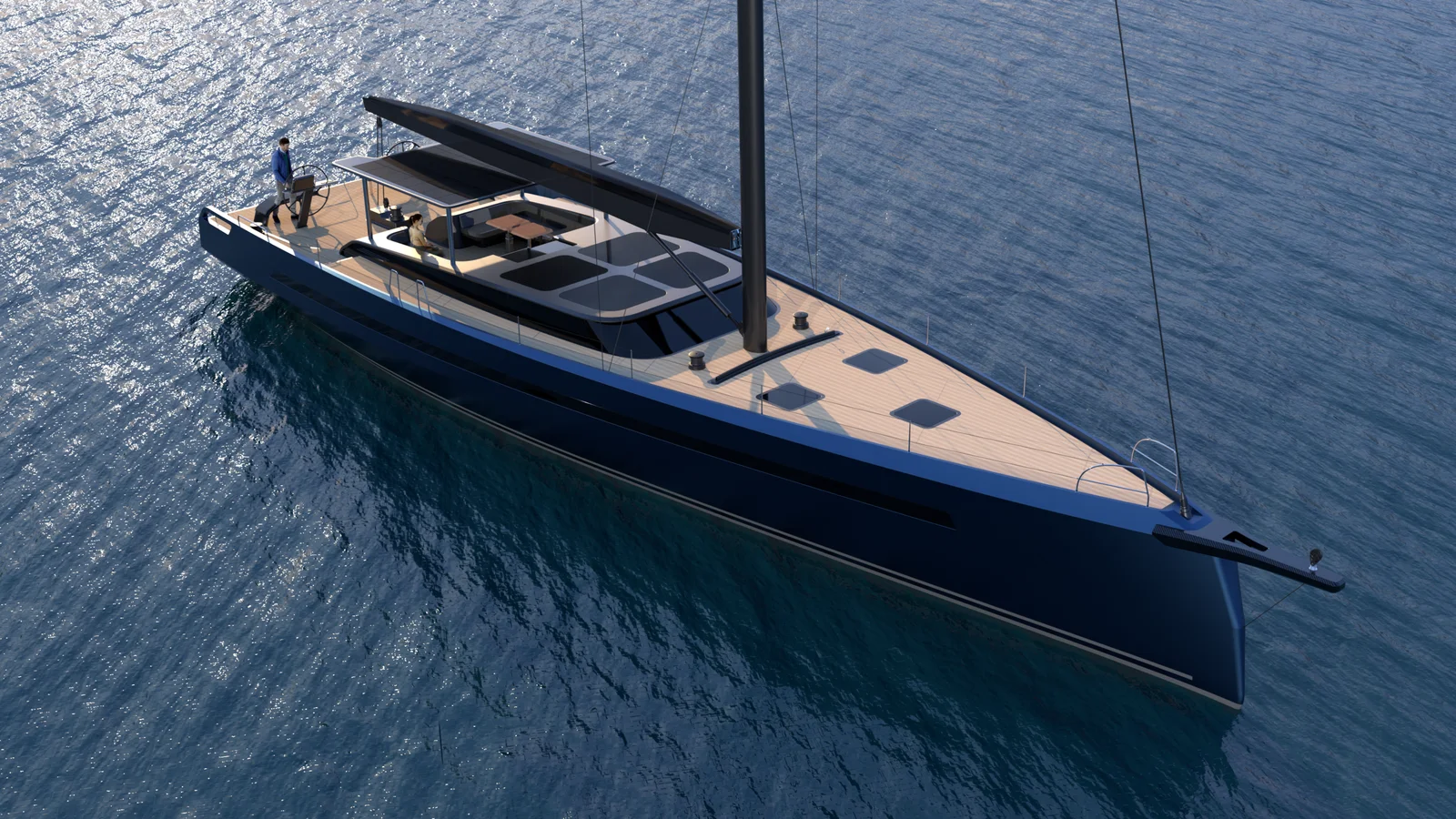
Catalogue example: the Alva Yachts Ocean Sail 82, listed at 24.9 metres, has a description referring to an aft garage for a 3.85-metre tender and a hydraulic platform. This is an illustration of a described main-yacht facility to investigate. The selected tender's range belongs to its own boat and installation documentation, alongside confirmation of the package actually being offered.
For yachts with this arrangement, request a clear account of what is included in the purchase. The garage, handling equipment and tender can appear in different parts of the specification. Bringing them into one discussion helps establish the complete experience being purchased.

Make room for the tender's day aboard
The shore journey begins before anyone steps into the tender. Equipment is prepared, the boat is launched and passengers board. Afterwards, it returns to its place aboard. Suitable access, an understandable handling arrangement and the right people to operate it make that sequence part of a comfortable day.
For an electric tender, discuss the charging arrangement on the main yacht and how it supports the expected sequence of trips. For a combustion-powered tender, discuss fuel storage and replenishment with the captain and yard. Each question concerns a specified installation and the operating programme assessed for that equipment.
Keep the relevant information attached to the tender chosen for the purchase. If its engine, electrical package or other configuration changes, the responsible specialists should review the effect on their assessment and the connection with the main yacht. This preserves a clear account of the two vessels as the proposal develops, so the owner understands which version supports the intended evening ashore.
By the time you compare final candidates, you should be able to describe both journeys clearly: how the yacht serves the coastal programme and how its tender serves the company at each stop. The purchase then supports the full freedom you imagined, including the small trips that give a destination much of its pleasure.