Time aboard motor yachts can give you a clear sense of what you enjoy at sea. You know the anticipation of leaving the harbour, the pleasure of arriving somewhere by water and the way an afternoon can open up around a swim or a long lunch. An interest in sailing adds another dimension: a closer involvement in how the yacht makes her journey.
Buying a sailing yacht creates the opportunity to develop that interest in a boat of your own. The most useful starting question is what part you want sailing to play in the experience. Your answer connects the yacht search with the particular skills and understanding you want to build.
In the LYRA catalogue, selecting sailing yachts establishes the type; solo suitability helps focus the conversation on direct owner involvement. These two criteria introduce a search that should soon become specific to your experience and intended role.
Bring your existing preferences into the conversation
Your motor-yacht experience is valuable because it contains real preferences. Perhaps you already know how you like to divide a day between travelling and staying in one place. You may have strong views about privacy, outdoor seating or the number of people you enjoy having aboard.
Keep those observations. They describe the life the new yacht needs to support. Sailing can change the character of the journey while those personal priorities continue to matter.
It helps to separate experience as a guest from experience taking responsibility for a boat. Both contribute to the brief in different ways. Enjoying many holidays aboard can establish what makes a good day for you; practical involvement tells an instructor more about the starting point for your learning.
One previous responsibility can be described as a concrete example. Explain what you actually did, on which installation and with what professional support. The instructor can use that information in assessing the new sailing programme. It gives earlier experience a precise identity while leaving the new yacht, equipment and responsibilities to their own assessment.
Describe both honestly and in detail. The result is a much more useful introduction than a broad label such as experienced owner, which may conceal precisely the distinctions that matter for the next yacht.
Discover the attraction of the sailing itself
Sailing asks you to pay attention to a different set of relationships aboard. The rig, sails and deck arrangement become part of how you experience the journey. Learning about them can be a major pleasure of ownership, especially when the yacht and instruction suit the way you want to participate.
A supervised sailing experience can help you articulate that preference. You might find you enjoy staying closely involved throughout a passage, or that you value participating in particular parts while a professional supports the wider programme. Both give the purchase conversation useful direction.
Think about who will share the yacht with you as well. A boat that invites your involvement should also provide the places your family or friends will enjoy. The view from a comfortable seat and the route between the cockpit and accommodation belong in the same decision as your enthusiasm for the helm.
The aim is a sailing yacht that feels convincing as your future place at sea, across the whole day.
Read solo suitability alongside the layout
The solo-suitability marker in the LYRA catalogue helps identify boats to investigate for an active owner role. It is an initial classification. The systems installed on the boat, your experience and the intended programme determine the practical discussion that follows.

An example from the catalogue
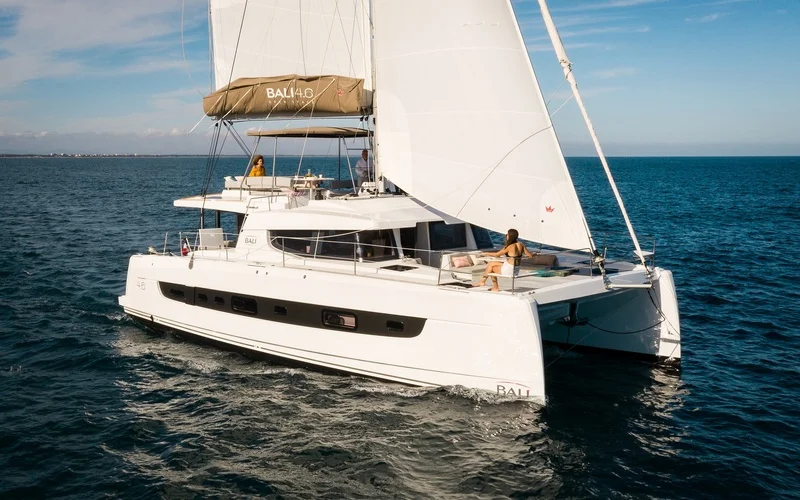
The Bali 4.6 is listed as a 14.50-metre sailing catamaran with the solo-suitability marker. It illustrates that an owner-involvement search can include this hull format. Its catalogue entry is a starting point for assessing the individual boat and the support appropriate to its owner.
Across the relevant group, look at the relationship between the helm, sailing controls and places where the rest of your company will sit. Ask an instructor or captain to explain the specific arrangement. Understanding why a layout suits a particular style of use is more useful than recognising equipment names alone.
That explanation also helps you compare boats meaningfully. The same wish to participate can lead to different preferences once you have spent time aboard and experienced the arrangements for yourself.
Give familiarisation a place in the purchase
Include a clear introduction to the individual yacht in your ownership plans. A qualified professional can assess the skills you bring, identify what needs developing and agree the responsibilities suited to your intended outings. Any qualification and operating requirements need to be established for the actual programme.
This makes learning part of the pleasure of acquiring the yacht. The equipment you study is the equipment you will live with, and the questions relate to journeys you are looking forward to making.
As your understanding grows, your relationship with the boat becomes more personal. Familiar coastal views acquire a different texture when you are engaged in the sailing that brings you past them. The purchase gives that interest a setting in which to develop, supported by a yacht chosen around the life you already know you enjoy at sea.