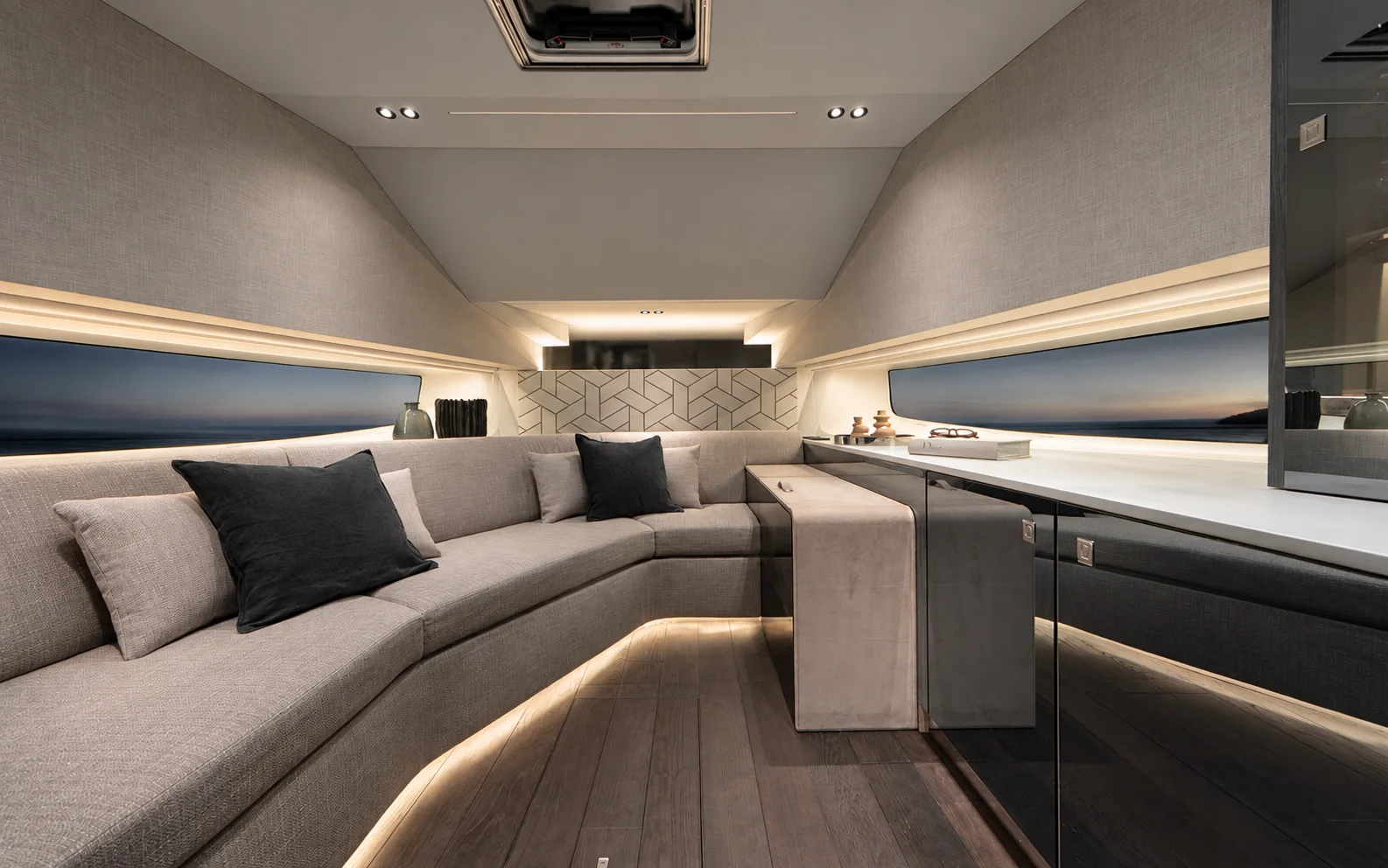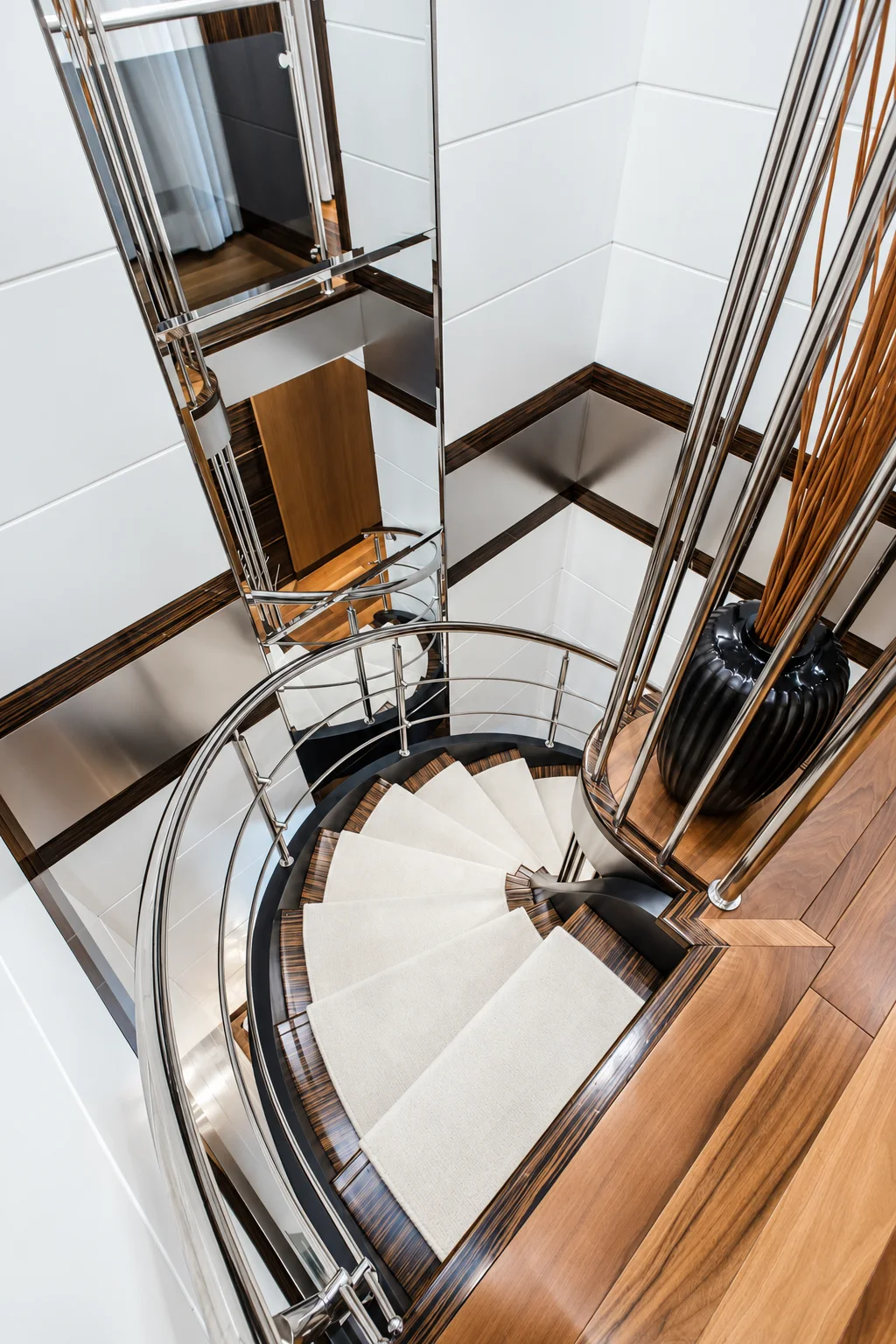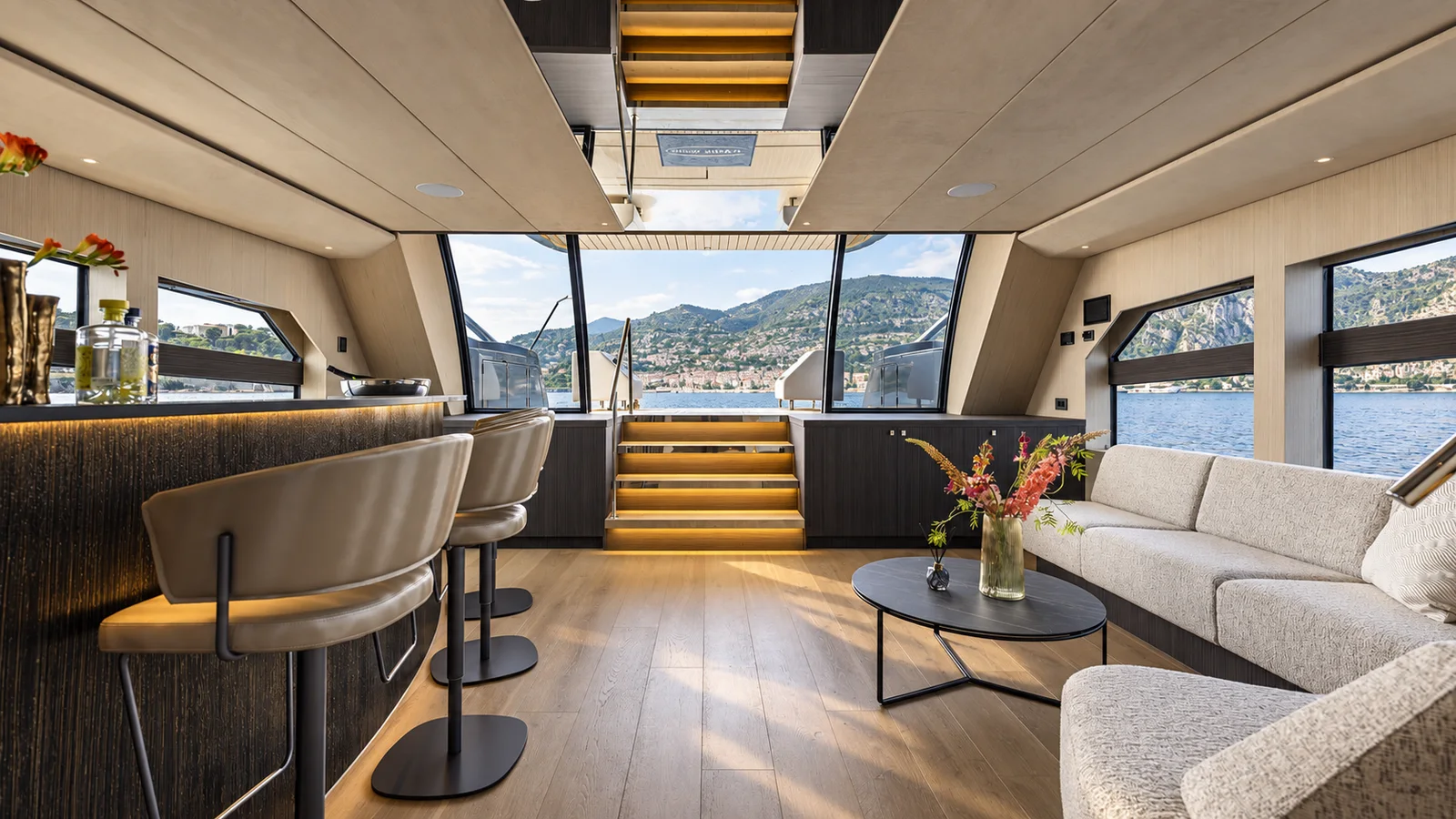
The value of a yacht's sleeping arrangement becomes clear late in the day. The anchorage is quiet, dinner has ended and guests begin to find their cabins. Someone needs the bathroom; a child wakes early; another person wants coffee without disturbing the saloon. At that point the number of berths is only the opening fact. The arrangement around those berths determines whether everyone wants to stay another night.
In the LYRA catalogue, a model card may show the number of berths when that information is available. The figure is distinct from the number of daytime guests. It helps a buyer identify the scale of a yacht's sleeping accommodation, but it should lead to a closer reading of the cabins and the exact layout offered.
Start with the people who will sleep aboard
The owner should name the overnight group before comparing yachts. A couple travelling alone may value one generous private cabin and easy morning use of the galley. A family may care more about where children sleep and whether their cabin is close enough for reassurance without putting everyone in one room. Two couples may want a balance of privacy so the second pair feels invited, not accommodated as an afterthought.
These are different briefs even when the number of sleepers is the same. The buyer is selecting an experience through the night, not trying to maximise a berth count. A yacht that sleeps six in a way the owner will rarely use can be less appealing than one that sleeps four particularly well for the regular group.
There is also a difference between a fixed berth and a saloon that can be converted for occasional sleeping. Both may be useful. The owner should know which arrangement is intended for repeated nights and what happens to shared space when the conversion is used. If the saloon becomes a bedroom, the early riser may have nowhere separate to sit. That might be perfectly acceptable for a rare extra guest and less comfortable as a standing family routine.
Read the plan from evening to morning
A general arrangement shows how cabins connect to one another, the heads and the main living area. Follow the likely movements after dinner and before breakfast. Can guests reach a bathroom without crossing another private space? Is there somewhere for a person to dress without disrupting a cabin mate? Where do bags and wet clothes go? These small questions define the quality of a night aboard.
The position of crew accommodation, when a yacht has crew, can matter as much as the count of guest beds. The owner may want help without making the guest area feel busy. The right answer depends on how the yacht will be run and who will be aboard, not on a universal formula for the number of cabins.
The drawings should be checked against the configuration actually available to buy. A model may be offered with different cabin arrangements. A photograph of one version cannot establish the sleeping plan of another. The current specification and a walk-through are the appropriate next evidence when overnight comfort becomes important.
Let daytime and overnight plans coexist
Many owners will use a yacht for both short outings and occasional nights away. The sleeping accommodation should support those nights without making the ordinary day feel compromised. It is worth asking whether the cabin arrangement takes space away from the areas the owner will use most often, or whether it creates a useful private retreat even on a day trip.
The LYRA yacht-selection process begins with the owner's lifestyle and goals. For overnight capacity, that means describing the nights the owner genuinely wants: how often they happen, who stays and what the next morning should feel like. That description gives the berth figure its proper weight in the search.
A yacht becomes part of family life through repeated moments, and waking up aboard can be one of the best. The right overnight arrangement makes that pleasure easy to repeat. The catalogue number points towards the candidates; the cabin plan reveals which of them can make the night feel like the owner's own.