
Describe the intended pattern accurately. A series of leisure visits, a substantial seasonal stay and a primary-home intention are different proposals. Providers and qualified advisers need the relevant facts to explain the arrangements that apply to the actual case.
Confirm the place and its intended use
Identify the marina or other proposed location, the yacht and the period concerned. Ask the responsible provider to explain the offer and the use it covers. A general statement that space exists is different from an agreed arrangement supporting the owner's particular intention.
As a UK inland example, the Canal & River Trust's mooring FAQs distinguish leisure and residential moorings. That specific context illustrates why intended use matters; it is not a rule defining every coastal marina or another country's requirements.
Have the relevant local, personal-stay, contractual, insurance and tax questions reviewed by appropriately qualified people where applicable. Registration, nationality and berth duration should not be assumed to settle those subjects. Keep the answers tied to the actual facts and their scope.
Establish a practical daily arrangement
Walk through ordinary life at the proposed base. How would people arrive, obtain necessities and use the shore facilities they need? If work or family activities form part of the intention, investigate their actual requirements as well. A home-like interior supplies only part of the setting.
Have competent professionals assess the yacht's relevant suitability and explain its support needs. Comfort, care and intended operation need an appropriate plan for the boat and circumstances. An extended stay should not become an improvised technical or maintenance procedure.
Clarify who handles the practical work while the owner is there and away. The marina, manager and specialists may perform different roles. Understand their appointments and handovers so the lifestyle does not depend on an assumed all-purpose service.
Use the lifestyle description as an enquiry brief
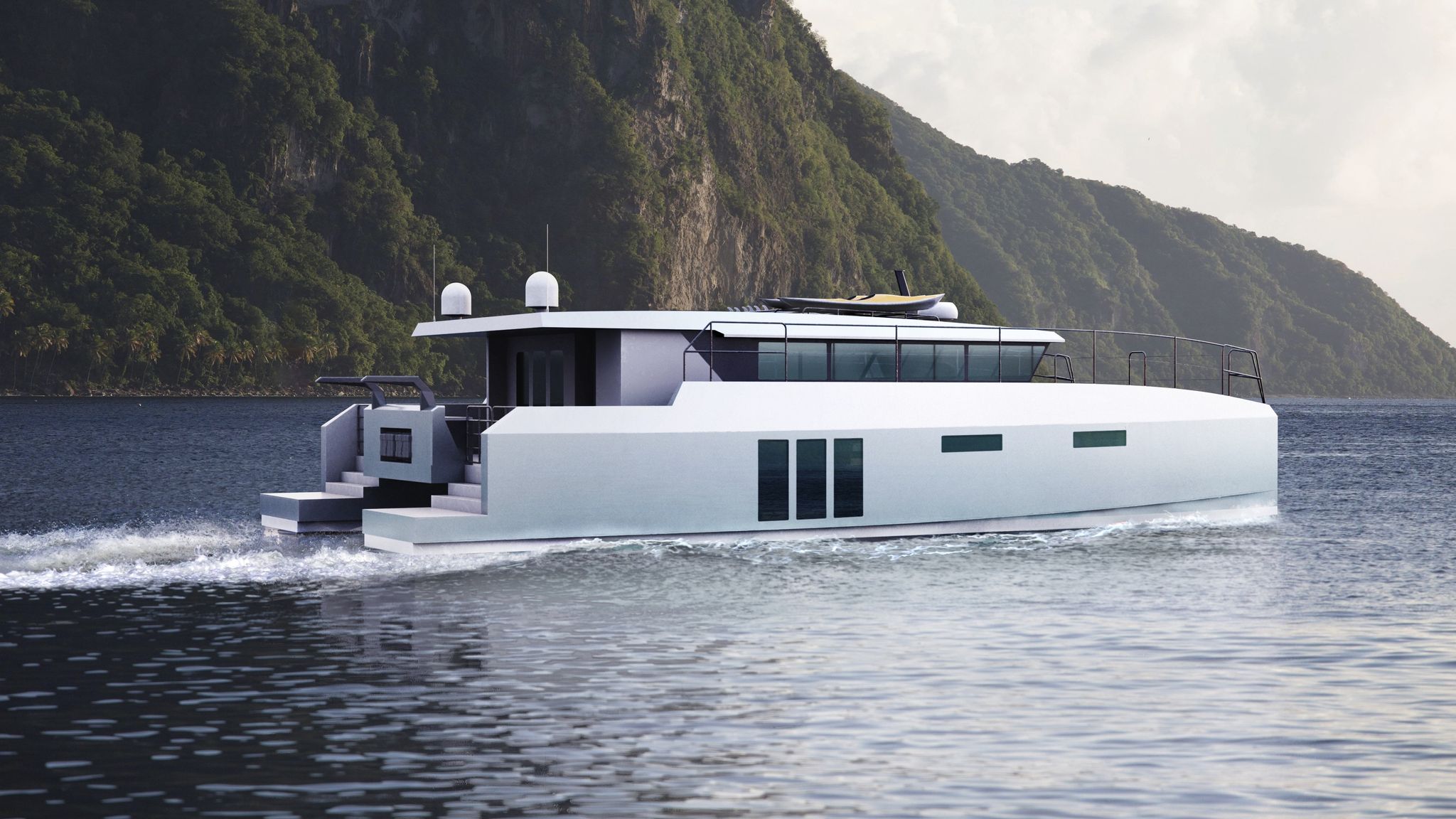
The phrase floating home can suggest quite different intentions to different people. Explain how often the owner expects to be aboard, whether other people will join and what daily activities are intended. The relevant providers and advisers need that description to address the actual proposal. They should not have to infer it from an attractive phrase.
Build confidence from specific answers
A general message that people stay aboard at the marina does not establish your arrangement. Ask the responsible provider to address the intended use of the offered position, and take consequential requirements to appropriately qualified advisers. Keep each answer attached to the facts and subject it covers.
The same care applies when someone has used a similar yacht elsewhere. Their experience may suggest useful questions, but it cannot settle the new boat's suitability or the local position. The owner needs evidence for the actual project, including any conditions on which an answer depends.
Identify what the daily routine depends on
An extended stay might rely on a particular shore facility, a work arrangement or an appointed professional. Name the essential dependency and establish its status. A nearby provider and a confirmed appointment should not occupy the same place in the plan.
Where the owner is willing to use an alternative, investigate that alternative on its own terms. It may change the experience or the effort involved. A proposed workaround remains an option until the relevant people explain what can actually be arranged. This prevents an incomplete plan from appearing settled through a series of imagined substitutions.
Keep unresolved matters connected with authorisation
Before commissioning consequential work or making commitments, identify which material answers remain open and what they affect. The owner can then understand whether the project is ready for that decision or needs further enquiry. A growing collection of encouraging impressions should not conceal the missing answer on which the intended stay relies.
This does not require perfect knowledge of every future day. It requires clarity about the arrangement being chosen now. Preferences can remain open to experience while fundamental questions about place, use and support receive appropriate attention.
Understand the mobility before relying on it
If changing location is part of the appeal, investigate a specific move as its own project. Route or transport suitability, preparation, responsibilities and destination arrangements need current professional attention. A floating-home intention cannot establish unrestricted access to another coast or a safe departure at any chosen moment.
Likewise, a plan to remain elsewhere after a change in circumstances needs actual available options. Avoid treating mobility as a guaranteed response to an uncertain event. The owner can value the possibility while having the practical limits explained.
Maintain a concise account of confirmed arrangements and material open matters. The next decision should reflect those statuses rather than a general impression that living aboard is possible somewhere. A useful enquiry can reveal an adjustment needed before the owner commits further.
A floating home is strongest as a personal plan supported by specific evidence. The intended place, use, daily routine and yacht care are understood, with qualified advice addressing consequential requirements. The owner can then assess the lifestyle knowingly, while keeping the wider dream connected with arrangements that actually support it.
