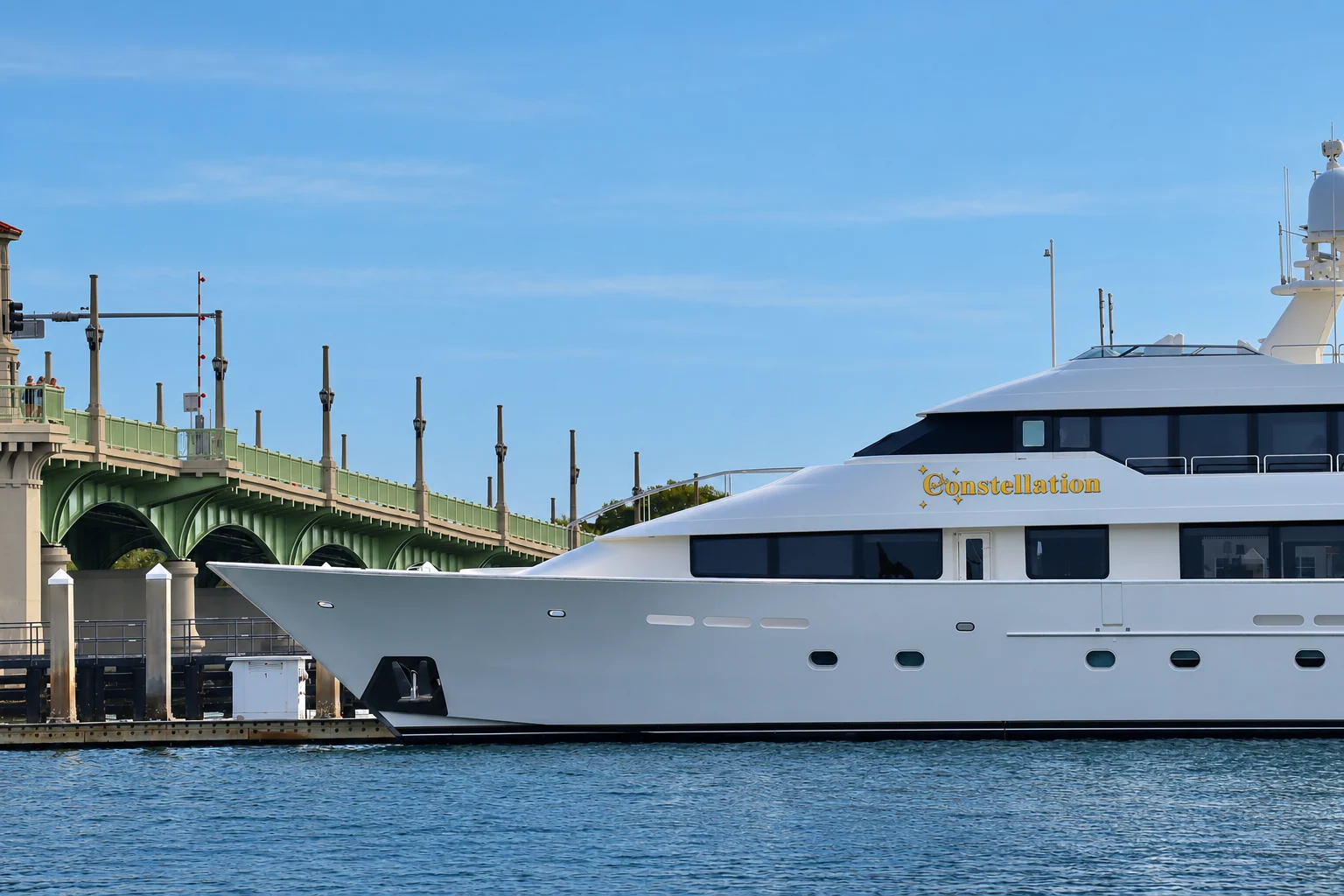
At a berth, a yacht can feel like a personal home beside the town. Away from the shore connections, the view and atmosphere change, while the household still wants to eat, wash, rest and spend time together. Understanding how the boat supports those familiar activities in each setting gives a liveaboard purchase more substance.
The useful question concerns your actual domestic routine. Which functions do you expect to use, and what does the specified yacht provide in each arrangement? A technical explanation becomes much more meaningful when it answers those ordinary expectations.
Liveaboard suitability is the relevant criterion in the LYRA catalogue. The individual boat then needs to be assessed through its installed systems and intended programme. The same accommodation can have different dependencies according to the services available and the arrangements established by the responsible professionals.
Describe a day at the berth
Begin with the way your household would spend time aboard at the intended base. Breakfast, working on a laptop, using the bathrooms and settling in for the evening all give the systems a recognisable purpose. Make the description specific to the people staying.
The yacht team can explain which installed functions support that day and which services depend on the proposed shore arrangement. The marina or other relevant provider should confirm the supply and services it can offer for the actual yacht and stay.
This is a relationship between a boat and a place. A description of the yacht's equipment leaves part of it open until the intended base and its provision are understood. The qualified technical people should assess the connection and applicable requirements; the owner should receive a clear account of the resulting domestic arrangement.
Consider the parts of your routine that matter most. You might value a particular place to work or the ability to prepare meals in a familiar way. Naming those preferences helps the team explain the proposal in terms you can connect with daily life.
The purpose is a realistic picture of the stay. You understand what the yacht is intended to provide at the berth, with the relevant services and responsibilities defined for that setting.
Take the same household into the anchorage
Now describe the period you hope to spend away from shore connections. Keep the people and ordinary activities consistent, then give the responsible professionals the duration and programme they need to assess the yacht's provision.
Ask the technical team to explain how the functions you named are supplied in the proposed arrangement. The answer should come from the actual installation and its requirements. Equipment shown in an interior photograph does not by itself establish how it can be used throughout a particular stay.
Some questions may relate to simultaneous use. Describe the household's real rhythm so the specialists can assess the relevant combinations. A quiet morning with one person awake and a busy period when everyone is using different facilities are different parts of the same owner programme.
If the proposal includes optional systems, establish which configuration the assessment describes. Their function, capacity and use must be explained by the appropriate professionals, with the relevant documentation available. An option name should lead to a defined installation in the yacht being offered.
Take the breakfast you normally make and ask for the actual galley functions to be explained in both settings. A familiar appliance name may leave its supply arrangement open. The representative can bring the technical answer back to that same meal, identifying what belongs to the installed provision and what depends on a confirmed shore service. This gives the comparison one consistent domestic reference, with each setting understood through the same household activity.
The LYRA catalogue helps identify boats intended for extended stays. The detailed comparison concerns the domestic life those particular systems support, at the berth and within an appropriately assessed anchorage programme.
Keep both arrangements in the ownership brief
A useful explanation allows you to distinguish established functions from questions still being assessed. You should know which information applies to each setting and where the household's expectations require further confirmation.
The qualified team should determine the operating procedures, staffing and conditions appropriate to the yacht. The owner introduction can then be tailored to your role, including the information you need to understand the arrangements without improvising technical decisions.
The household's preferences may develop after the first stays aboard. Perhaps you discover that certain activities belong naturally at the base while others are part of your favourite time away. Discuss any programme changes with the responsible team so the assessment continues to reflect actual use.
Keep the applicable equipment records and agreed service information accessible to the people who need them. If a system changes, the explanations for the two living arrangements should follow the completed installation.
This clarity can make ownership feel more complete. The yacht is a welcoming place beside the shore and a different kind of home when the surroundings open around her. Choosing with both settings in mind connects the rooms you love with the systems and support that make your intended life aboard understandable.