A yacht search often begins with names the buyer already recognises. Then another entry catches the eye: a layout that feels promising, a particular relationship with the water or a room arranged in a way that suits the intended use. The shipyard may be new to you, and the discovery gives the search another direction worth exploring.
The Shipyard parameter in the LYRA catalogue provides a way to follow that interest. The useful question is what the actual yacht contributes to your brief, supported by a clear understanding of the vessel and the people behind its purchase and care.
Let a specific feature earn your attention
A new name becomes interesting through something you can describe. It may be a comfortable-looking cockpit, a protected living area or an accommodation plan that fits the regular company. That detail gives the next conversation a purpose beyond general curiosity.
Return to the day you want the yacht to serve. The candidate should answer a recognisable question within that life: where people gather, how they stay or which part of the journey they would enjoy. The same personal brief can guide the assessment across familiar and newly discovered builders.
This keeps the search open and focused at the same time. You can notice a promising arrangement without making assumptions about the whole vessel. The attraction leads to specific questions and, where appropriate, a viewing and professional review.
Use the catalogue to explore the range
A shipyard's entries can show how it approaches different sizes and uses. Look at the individual models relevant to your programme, with their actual layouts and specifications. The comparison should remain attached to the yachts rather than a broad impression created by a name.
Keep a note of the feature that prompted the discovery and the model entry in which you found it. A builder’s range may include several different arrangements, so the next discussion should identify the particular version that interests you. That gives the representative a precise question to answer and the buyer a useful reference when comparing another yacht with a familiar name.
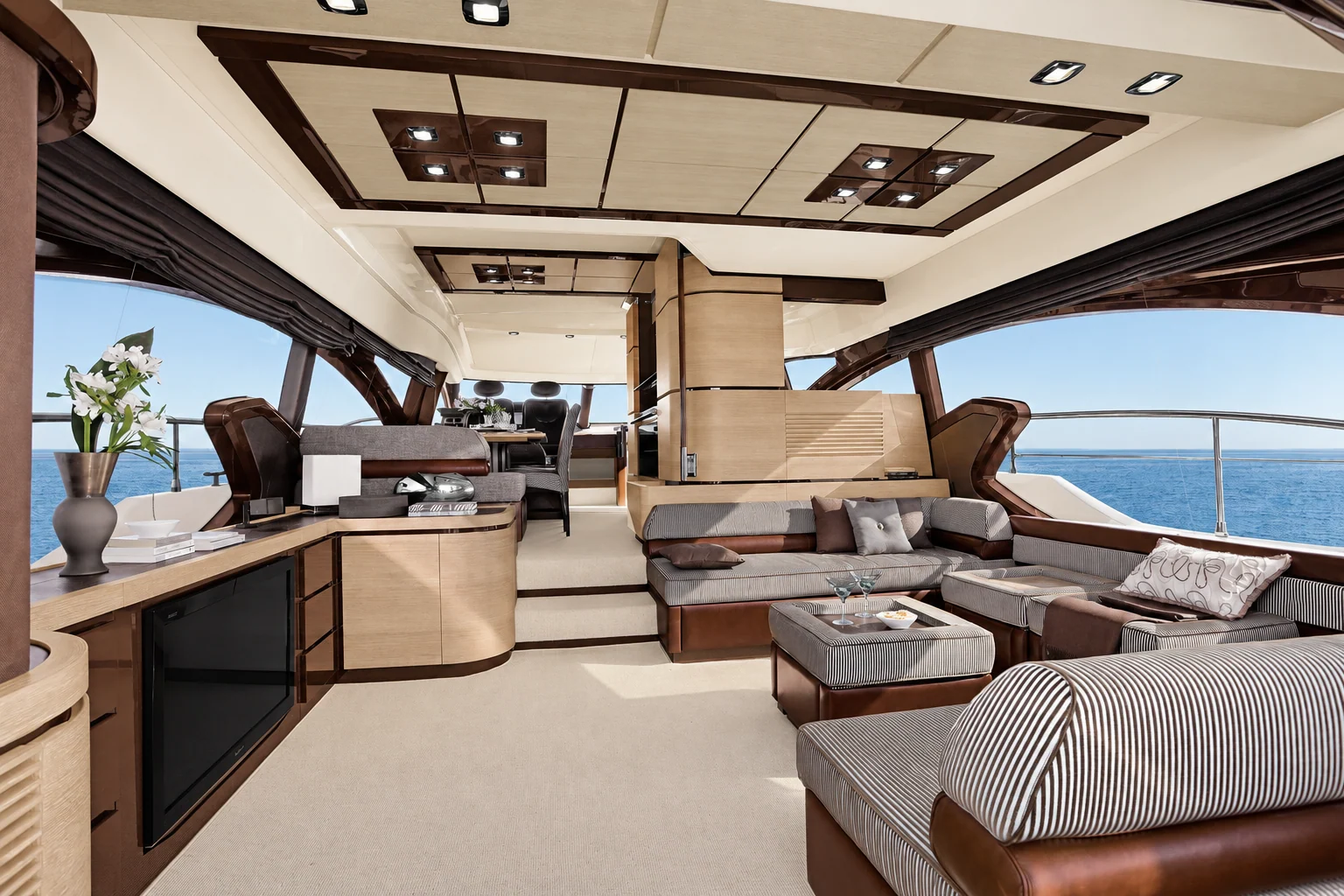
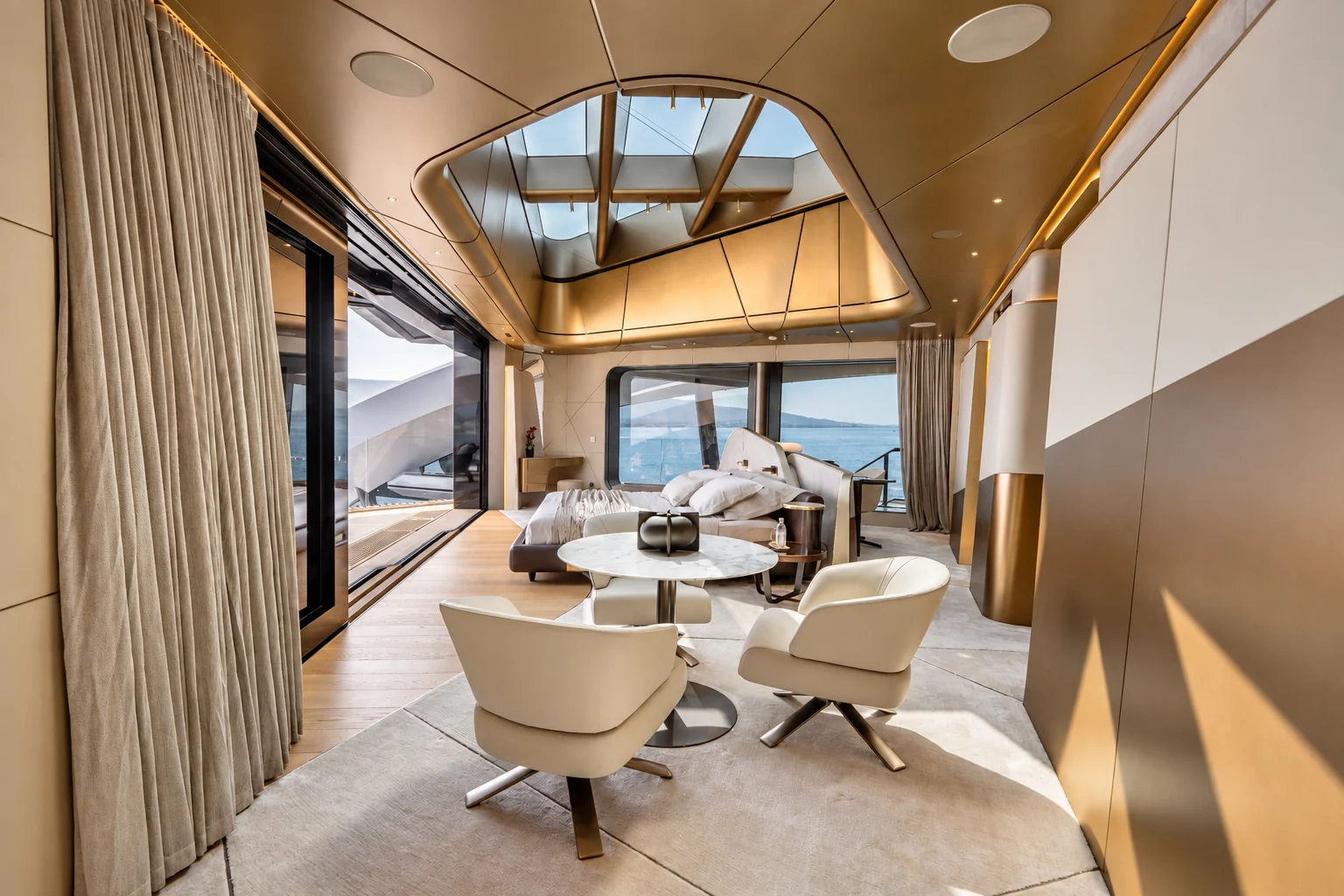
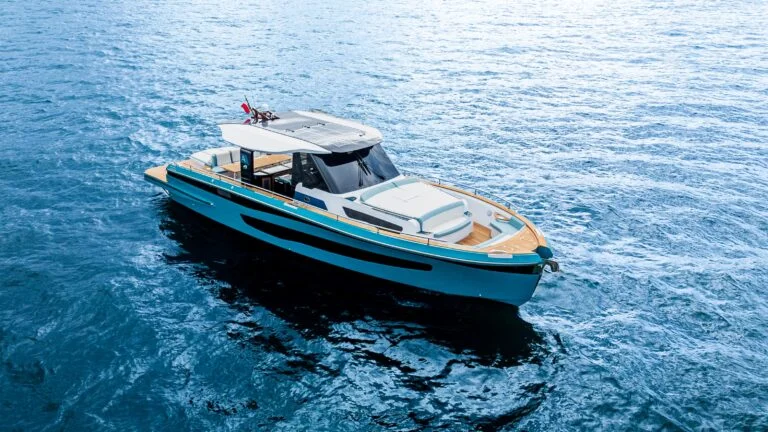
Catalogue examples: the Italyure 50, listed at 15.67 metres, is a motor-yacht entry from Italyure Yachts. The Eagle 46, listed at 14.26 metres, is a sailing-yacht entry from Leonardo Yachts. They illustrate how catalogue browsing can introduce different builders and types within a broadly comparable length range.
The discovery is personal: either name may already be familiar to one buyer and entirely new to another. What matters is the opportunity to compare an actual arrangement against the ownership you intend. A useful feature gives the unfamiliar entry a place in that conversation.
Connect the design with the offered vessel
Once a candidate becomes serious, establish the exact version, equipment and commercial proposal. The representative should explain what is included and how the demonstrated or illustrated yacht relates to the one being offered. Drawings and specifications give the attractive idea a concrete form.
The buyer can then assess personal comfort through the actual spaces. Sit at the table, follow the relevant routes and place the regular company in the cabin plan. These observations help explain whether the design's initial appeal continues through ordinary use.
Condition, construction and technical suitability need the appropriate specialist reviews within the purchase process. The owner should understand their scope and findings for the actual vessel. A catalogue discovery begins the assessment; the professional evidence supports the purchase decision as it develops.
Understand the support around ownership
Ask the relevant representatives and advisers to explain the proposed support arrangement for your base and programme. The people responsible for commissioning, familiarisation, service and warranty matters should be identifiable, with the actual terms and scope confirmed.
The owner can contribute the intended geography and pattern of use. A seasonal base and regular coastal visits create particular support questions; a wider programme gives them another context. The arrangement should be assessed for that real life rather than assumed from a general reputation.
This part of the conversation can make a newly discovered builder more understandable. You can see the route from the offer to delivery and the people supporting the yacht afterwards. Any unresolved point remains a specific question for the purchase process.
The response can also help refine your brief. You may discover that the initial attraction was a room’s position, a particular connection between spaces or a support arrangement suited to your base. Carry that learning into the wider comparison. Curiosity has then produced something concrete: a clearer description of what you would enjoy owning, alongside the evidence needed to assess the candidate.
Let curiosity improve the choice
An unfamiliar shipyard can broaden the search by showing another way to arrange the experiences you want. The value comes from the actual yacht, its fit with your brief and the evidence gathered around it. The buyer keeps a consistent basis for comparison while allowing new possibilities into view.
That is one of the pleasures of choosing a yacht thoughtfully. A name you had never considered may lead to a particularly good question, a revealing viewing or a design you enjoy discovering. The search becomes richer because the life you want on the water can be expressed in more than one way.