
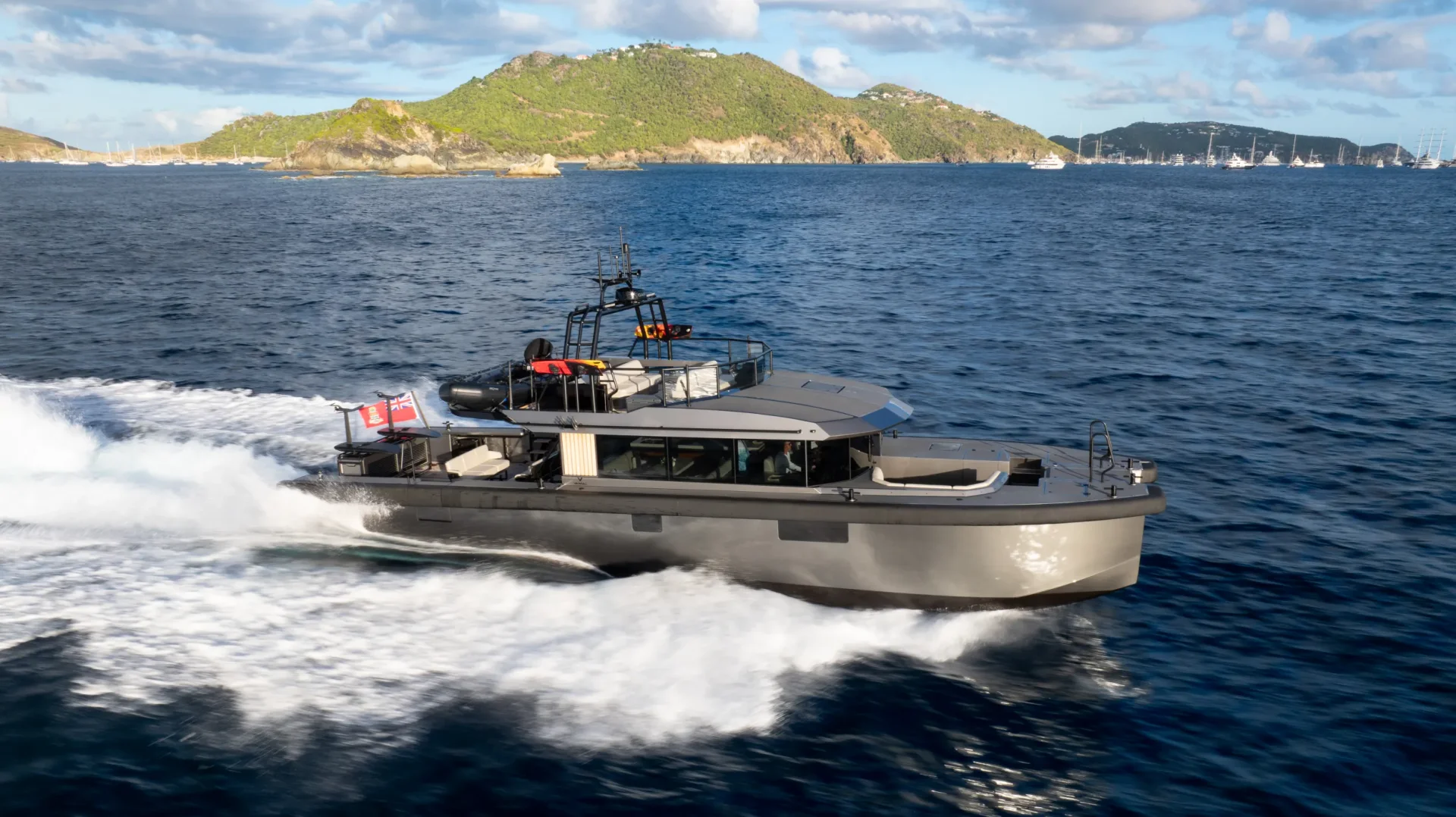
Country of construction is one part of the picture. The exterior designer, interior studio, naval architect and appointed owner team can contribute different ideas and responsibilities. Understanding those contributions gives a more accurate account of a project than expecting a national label to explain the whole result.
Follow the named collaboration in a Turkish project
Sirena's 42M presentation identifies Luca Vallebona, Hot Lab and Van Oossanen in distinct design roles. Its discussion of connected living areas and the owner's patio offers specific architectural ideas for a buyer to explore. These are descriptions of that project, rather than a promise that any Turkish builder will provide the same arrangement or accept every requested change.
The example supports a useful enquiry: which parts of the design are established, and how would the owner's requirements be developed within the proposed project? Ask for the actual options, decision process and consequences of changes. Personalisation needs an agreed boundary to become a workable brief.
LYRA's Turkish-built yacht collection is a relevant entry point for finding other candidates. Compare the builders and boats within it individually. The collection is not evidence of a universal price advantage, production method or standard of finish.
Investigate the Chinese builder on its own terms
For a concrete Chinese-market reference, Heysea's own company history describes manufacturing in Jiangmen, Guangdong, and records development within its Asteria and catamaran projects. Its yacht overview separates Asteria, bespoke and Zoom offerings. These builder accounts provide a starting point for identifying the relevant product and asking for current information.
They do not establish that all available projects share the same design team, specification or construction location. Confirm those matters for the opportunity. A broad brand account, an earlier project and a current proposal should remain distinguishable in the comparison.
The owner's next questions can concern the particular arrangement they want: how the spaces would work, which decisions remain open and how information would reach the buyer's appointed professionals. The right answer is a project-specific explanation, rather than reassurance based on the size of a country's industry.
Keep the two explorations separate before bringing them together
A wide search can lose useful distinctions if every unfamiliar proposal is discussed as one regional category. Give a Turkish project and a Chinese project their own accounts. Identify what attracted you to each, which actual yacht or proposal is being considered and what information supports the next conversation. Their relevance should arise from the owner's intention rather than a presumed shared national proposition.
Compare what the two kinds of reference let you ask next. The particular Turkish project names design contributions, so an owner can ask how those ideas relate to the configuration being considered. The Chinese builder overview first helps identify which product or project deserves an enquiry. Before comparing a personalisation proposal, establish that subject with the relevant team. A detailed project page and a general product overview are therefore at different stages of the owner's investigation. Their unequal detail does not establish that either landscape offers more choice, better value or a more suitable boat. Current acquisition information still needs its own actual source for each opportunity.
Compare projects with a common ownership brief
Use the same intended experience to examine opportunities from both countries. If privacy is essential, compare the arrangements that support it. If personal involvement in a build appeals, understand the proposed access, communication and owner decisions. A difference in the offer can be meaningful without being explained as a national trait.
Commercial comparisons need equally specific contents. Establish configuration, included work, proposed timing and the further checks the purchase would require. Use qualified support for technical, contractual and tax questions. Neither an attractive finish nor a claim of value can settle those matters alone.
Exploring the two landscapes separately gives the buyer a wider and more accurate search. Named collaborations, particular layouts and clearly explained project arrangements become the basis for further enquiry. The eventual preference can then be for a yacht and a working relationship that fit the owner, rather than for a generalised idea of an eastern school.
