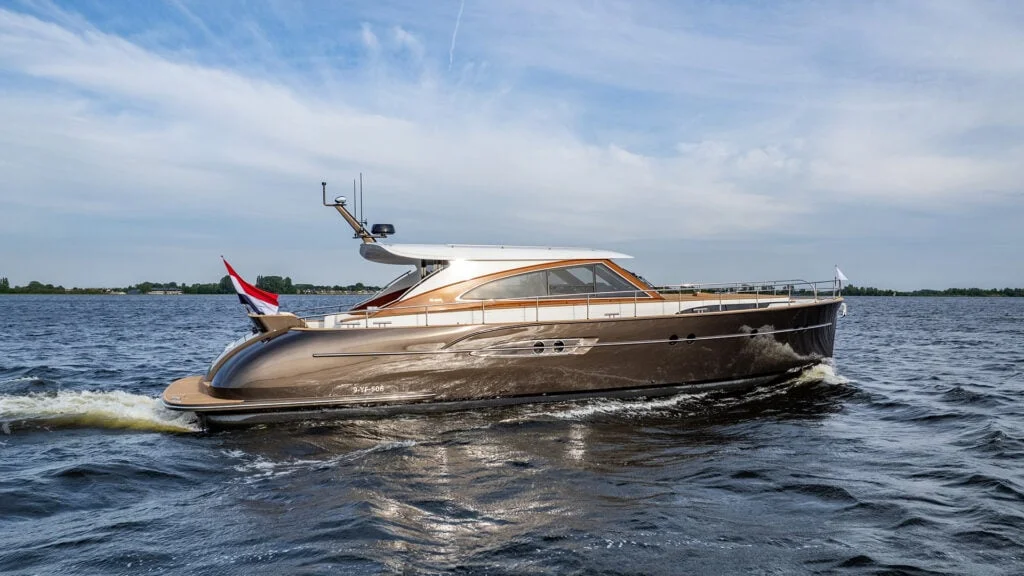
The easiest yacht invitation can begin with a small bag by the door. A book is already aboard, there is a familiar place for a hat and the things needed for a comfortable afternoon are easy to find. The family can leave home with a sense of anticipation, knowing that familiar parts of the day are already waiting at the boat.
For an owner with a coastal home, including someone building a regular routine on the Costa del Sol, the house and yacht can support each other. The yacht can keep the possessions that make visits natural while the home remains a convenient base for everything else.
Coastal cruising use frames the regular outings, while the liveaboard characteristic draws attention to the yacht's domestic arrangement. For this owner, that means reading the storage and shared rooms through ordinary belongings: which ones will make a visit more enjoyable when they are already waiting there?
Keep the things that invite repeat visits
Start with a familiar outing. The owner may like to read after lunch, change into a dry layer after swimming or have coffee in a particular cup. Small possessions can make those actions feel settled and personal.
Things used on almost every visit are good candidates for a proper place aboard, provided their storage suits the yacht and the conditions. They should be easy to put away and easy to retrieve. A useful arrangement saves searching as well as carrying.
There is a pleasure in this kind of familiarity. The yacht becomes somewhere the owner returns to, with a little of everyday life already in place. Each visit can begin with the activity itself instead of a fresh round of unpacking.
This is about the owner's personal possessions. Required equipment and the yacht's technical and safety arrangements remain matters for the responsible operator and relevant professionals. A lighter personal bag should coexist with a properly prepared vessel.
Give shore storage an intentional role
Some possessions are more convenient at home. Seasonal clothes, rarely used equipment and items wanted mainly ashore can take up useful space if they remain on the yacht without a clear purpose.
Proximity allows the owner to be selective. Before a particular outing, the family can bring the things that match the day's plans. Afterwards, they can return items that need care or a different storage environment. The arrangement works best when the person responsible knows which belongings are intended to stay and which are expected to travel.
A brief personal packing habit can make the division easy to remember: the few items that always come from home, the things normally aboard and anything specific to tomorrow's activity. Keep it close to the family's real routine, with a clear place for the things that travel between the house and yacht.
The point is to give both places a useful job. The house offers room and convenience; the yacht holds the part of the owner's life that belongs close to the water.
Let the actual storage decide
The available space should be assessed with real belongings in mind. A small locker that accepts the usual bag can be more helpful than a large compartment that is inconvenient during a visit. Clothes, books and personal accessories also need storage appropriate to them.
Look at how the arrangement affects shared areas. When possessions have accessible homes, seats and tables can remain available for their intended use. Friends can arrive without the owners having to move piles of private belongings out of the way.
If guests sometimes stay overnight, think about the room before extending an invitation. Personal storage should allow the accommodation to become welcoming in a predictable way. A spare cabin can support everyday life between visits while still having a clear arrangement for the people who will sleep there.
During the yacht search, the LYRA catalogue can introduce different residential and coastal-use possibilities. The actual plan and storage should then be read through the owner's own possessions and habits. A size figure alone cannot show where those things will live.

Make returning home part of the same habit
The end of an outing is a useful test. What goes back into the bag? What remains aboard? Who notices when something used regularly needs replacing or replenishing?
These questions can be answered simply. The owner may take personal valuables and clothing home while leaving familiar leisure items in appropriate storage. Food and other supplies need their own arrangements, suited to the actual visit pattern and guidance from the people responsible.
The next arrival should reveal that the system is working. The expected things are present, the shared spaces are clear and the owner can settle into the visit comfortably. This is one practical expression of the idea that a yacht becomes part of life between voyages.
Let the yacht feel ready for your kind of day
A nearby home gives ownership a special intimacy. The yacht can be visited for a little while or for longer, with the ordinary shore routine continuing around it. Possessions should support that freedom.
The best arrangement often feels modest: a place for the things the owner reaches for, enough room for guests and a small bag that is easy to carry. It makes the yacht feel familiar before the first drink is poured. That familiarity is one of the quiet pleasures of having a personal place on the water close to home.