
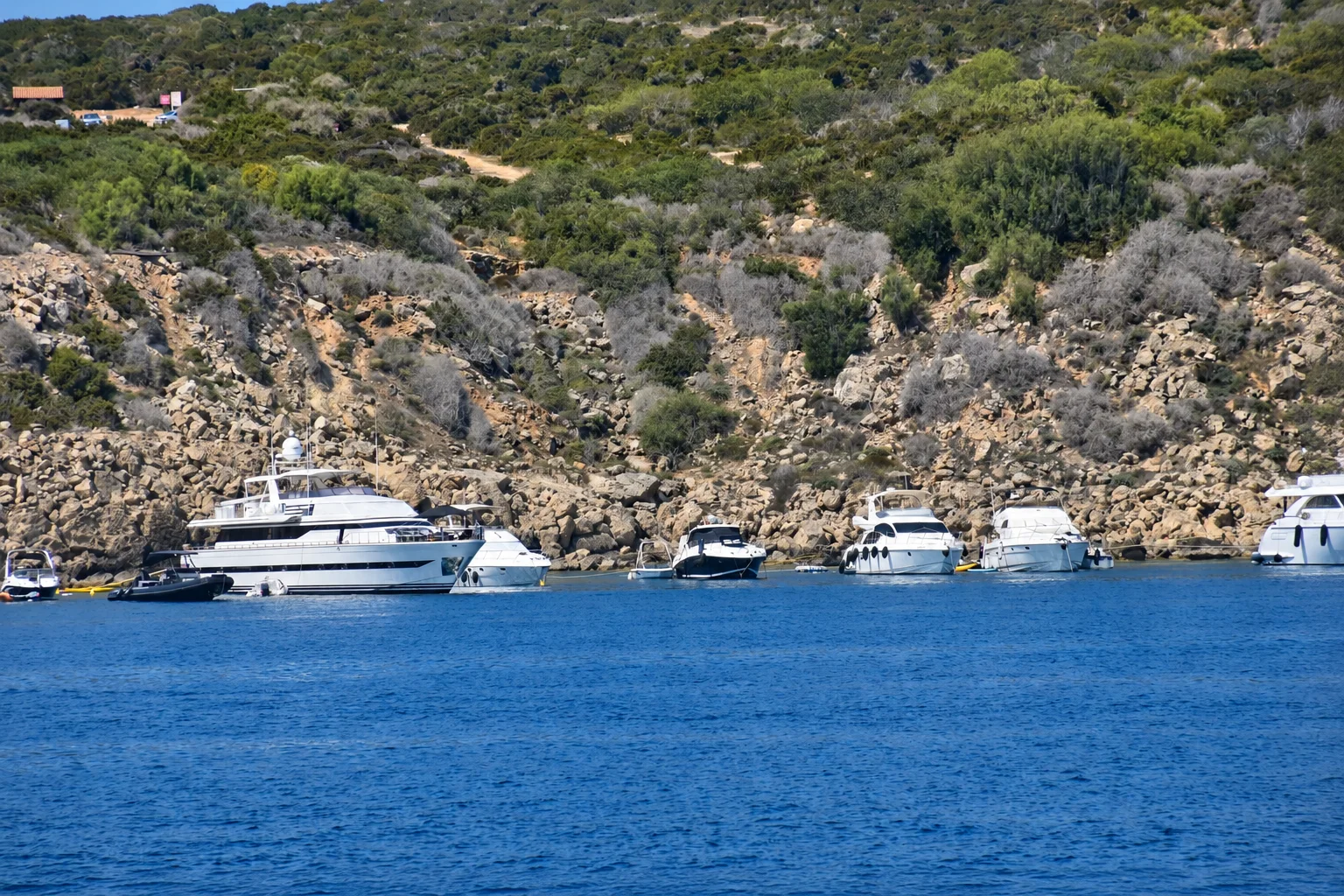
Begin with the ownership pattern. A defined visit, a recurring home port and an extended stay can create different requirements. The same coast may be relevant to each in different ways, so the enquiry should accurately describe the intended yacht and use.
Separate the attraction from the unresolved requirement
Name what draws you to the area. It may be the shore setting, an activity or an appropriately planned cruising ambition. Preserve that personal reason while identifying the practical questions still unanswered. A place can remain appealing even if the first base enquiry does not work.
Ask about the yacht, dates and relevant accommodation. A marina being full for a particular request does not establish that every option across the coast is unavailable. Equally, a general suggestion of space elsewhere does not confirm a suitable alternative.
Consider a hypothetical owner who wants a recurring base near a preferred cruising area. If the berth remains unresolved, the purchase or relocation plan should show that dependency. The enjoyment imagined offshore cannot by itself supply the missing place and support on land.
Investigate realistic alternatives
A different marina, a separate service location or another pattern of visits may be worth exploring. Each needs its own assessment and actual confirmations. Distance on a map should not be treated as evidence that an alternative supports the owner's intended routine comfortably.
Have competent people examine the yacht, relevant routes and operating conditions. If an anchoring or other non-marina arrangement is considered, it requires a specific professional plan, relevant permissions and suitable care. Autonomy or crew cannot be assumed to resolve every local, technical or practical constraint.
Understand what the owner would need to coordinate. The alternative may preserve an experience worth the extra work, or introduce demands the owner does not want. The purpose of the enquiry is to make that choice clear rather than promise a way around every infrastructure limit.
Decide which part of the original idea must remain
When the first berth enquiry does not work, return to the personal reason for choosing the coast. Is the essential attraction a particular town, access to a desired experience or the broader region? Those answers suggest different alternatives to investigate. An adjustment is useful only if it preserves enough of the original purpose to remain a stay the owner wants.
A nearby option can be geographically close while asking for a very different routine. Follow the actual arrival, shore connection and relevant support before treating it as a substitute. The owner may accept a compromise knowingly, but it should be described rather than hidden inside the suggestion to keep the yacht elsewhere.
Separate a visiting plan from a home-port plan
A defined visit may require a different arrangement from leaving the yacht in the region between personal stays. Explain which proposition is being explored. The relevant providers and advisers need that context to address the actual yacht, period and use.
The distinction can keep an attractive coast within reach of further enquiry even if it does not currently support the intended permanent base. It can also reveal that a limited visit would not satisfy the owner's purpose. Neither answer establishes a general verdict on the place. It clarifies the project under consideration.
Do not ask the boat to replace missing arrangements
Ask the team assessing the yacht which berth and care arrangements still need to be made ashore, taking the equipment and crew into account.
Make the next decision smaller than the whole dream
The immediate useful step may be a specific provider response, an appropriate viewing or a professional assessment. Identify which evidence could change the current choice and pursue that subject. There is no need to turn every infrastructure problem into either a reason to buy immediately or a reason to abandon yachting in the region.
If no credible arrangement can presently be established, say so. The owner can retain interest in the coast while revising timing or another part of the intended use under the actual commitments. Honest incompleteness is more useful than an imagined solution that would only emerge after purchase.
Keep the wider story within its evidence
Limited availability can prompt interest in infrastructure, but it does not establish a viable development project or a guaranteed investment opportunity. Demand, rights, permissions, environmental requirements and costs need separate qualified investigation. A company or person's general interest should not be presented as an announced commitment.
For the owner choosing a base, the immediate task remains a credible arrangement for the yacht. Review relevant proposals and consequential terms with appropriate advice where needed. Keep confirmed information, estimated possibilities and material open questions recognisable.
A rewarding ownership plan connects the place the owner wants with arrangements that can actually support it. Cruising appeal gives the enquiry its purpose; evidence about berthing, care and access gives it a practical foundation. Understanding both allows the next decision to remain personal, informed and proportionate to what is known.
