One night away from the marina can give a coastal holiday a distinctive memory. The shore becomes the evening view, conversation continues aboard and the next morning begins in the same setting. For an owner who usually stays in harbours, it is a particular experience worth including in the yacht brief.
The selection question is focused: how will the boat support the people staying aboard through that evening and morning? Overnight accommodation and freshwater capacity are useful starting parameters in the LYRA catalogue. They connect the living arrangement with one part of the domestic provision needed for the stay.
The anchorage, conditions and complete operating arrangements must be assessed by the qualified person responsible for the programme. Your owner brief describes the experience the yacht is being asked to support within that plan.
Begin with the evening you want to share
Picture the company once the yacht is appropriately settled. Where will everyone sit, and what kind of meal do you imagine? A simple dinner aboard can give the social space a different role from a daytime visit followed by eating ashore.
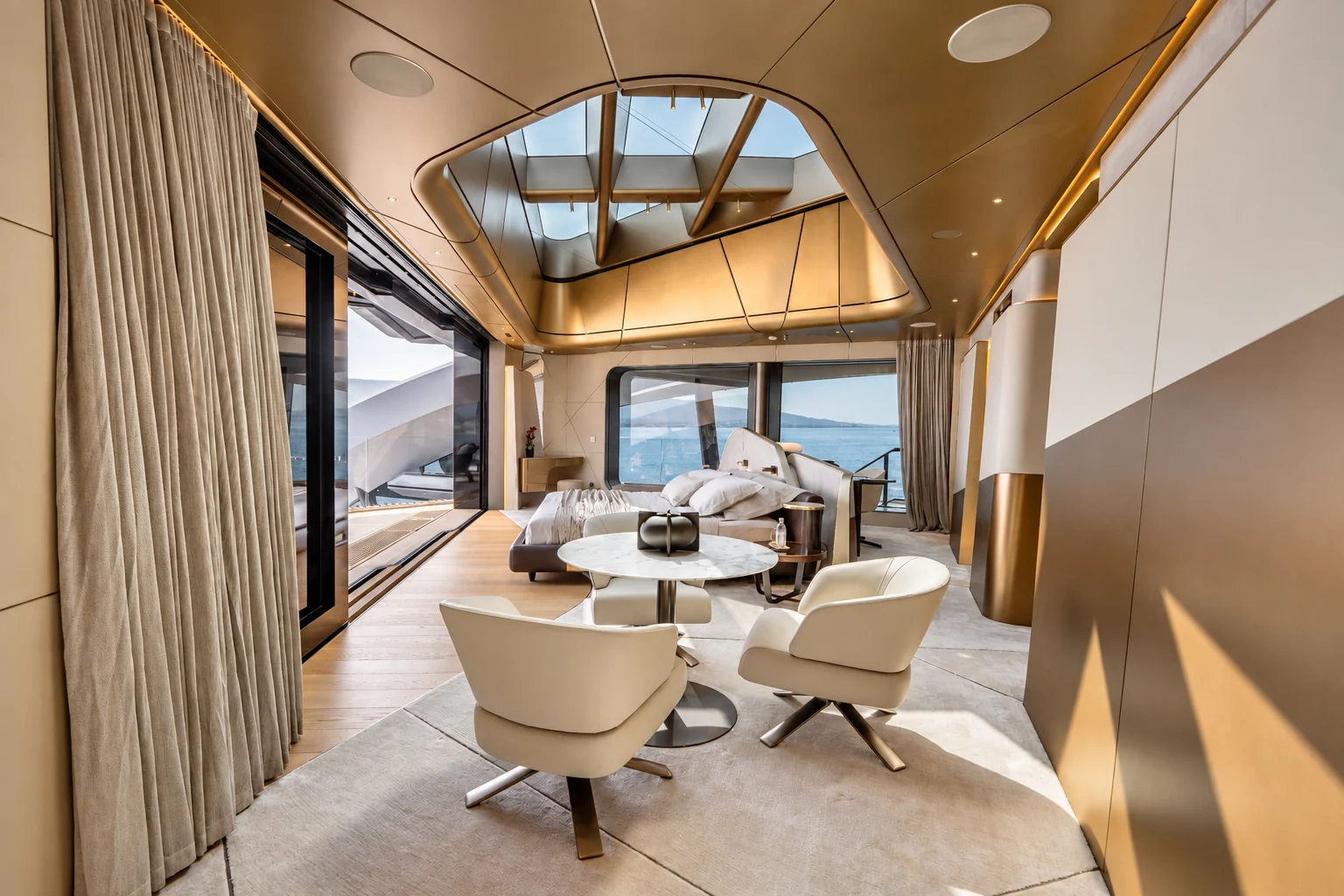
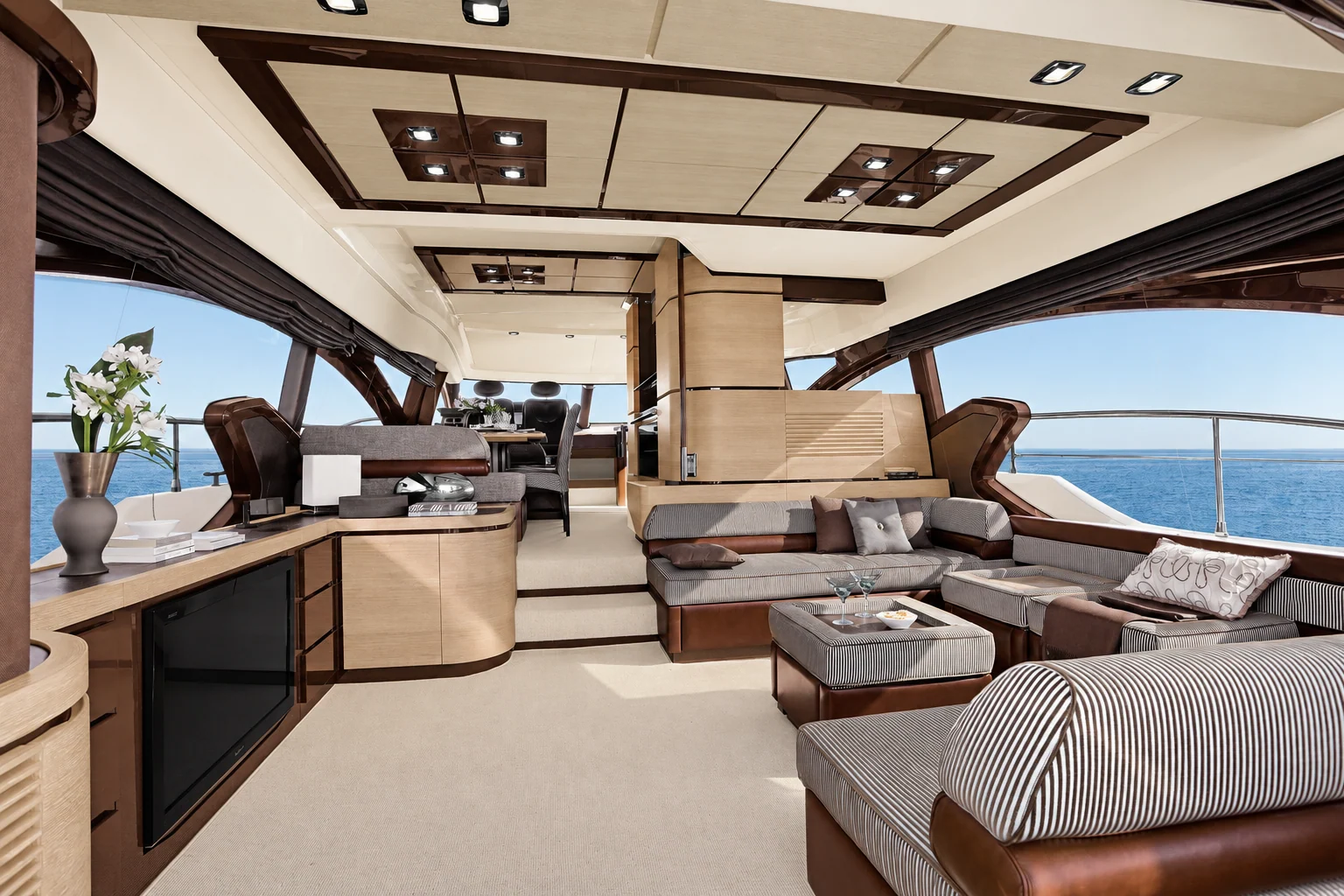
Look at the seating and table in the arrangement proposed for that use. Consider the connection with the galley and the interior, including the places where someone might prefer to spend a quieter part of the evening.
The household's ordinary habits are useful here. Some people enjoy remaining together after dinner, while others may want to retire earlier. The route between the social space and the cabins helps explain how those preferences can coexist.
Give the evening enough detail to make it real. The yacht should offer an inviting setting for the particular company you intend to bring, with the relevant facilities understood in the actual configuration.
Give each person an overnight place
The accommodation figure in the LYRA catalogue introduces the size of the staying group. The individual plan should identify where each person will sleep and the facilities they will use, with permitted occupancy confirmed for the yacht and programme.
Include any professionals staying aboard in the actual room allocation, using the captain's assessed arrangement. Their accommodation needs its own clear place alongside the household. The complete plan should identify every overnight occupant and the room proposed for them, within the requirements applying to that yacht and use.
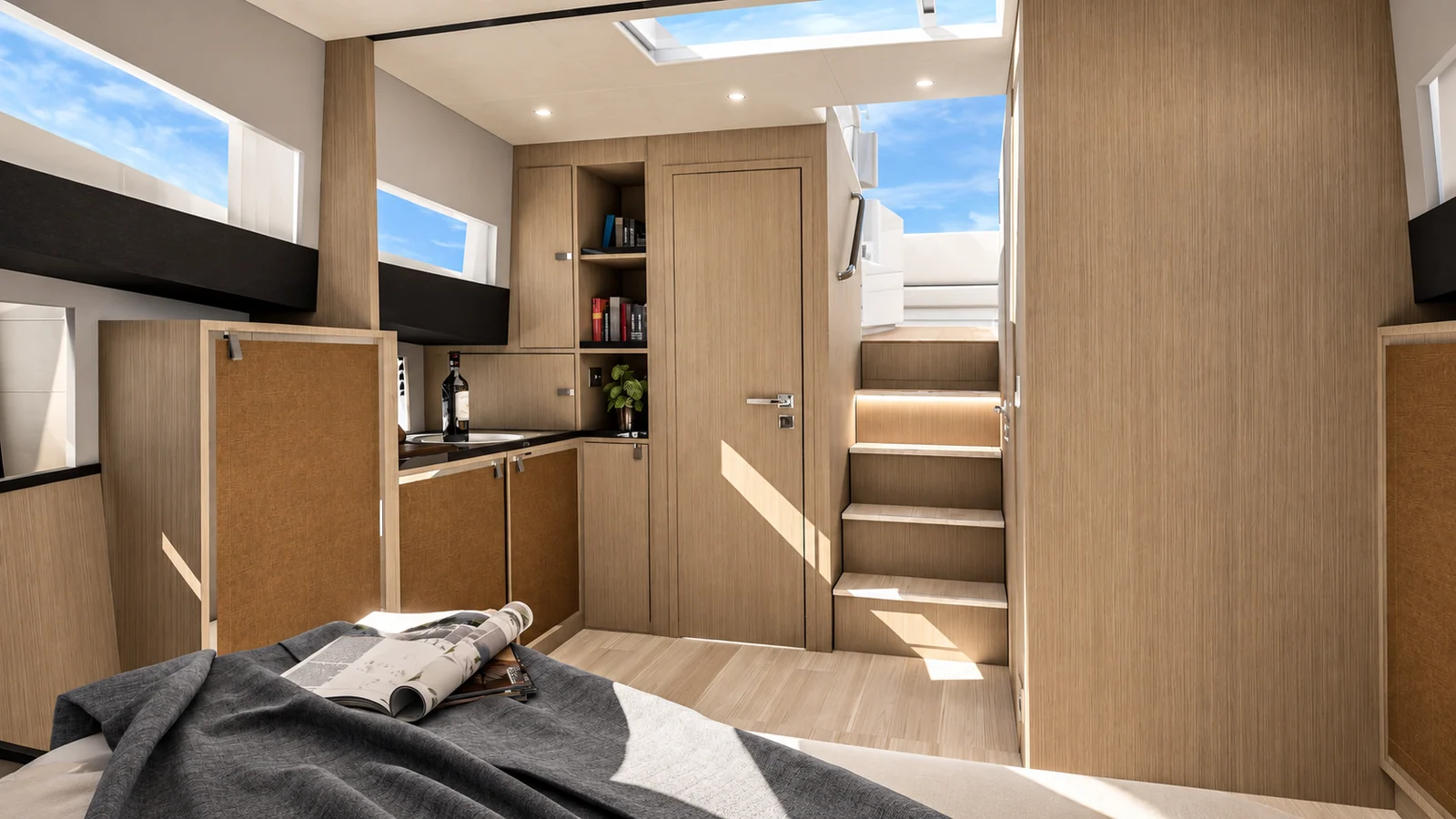
Ask to see the sleeping arrangement as it will be provided. If a space converts between uses, have the representative explain the intended change and where the associated items are kept. The boat should be understood in its overnight form as well as its daytime presentation.
Consider the following morning at the same time. Someone may be awake before the others, wanting to make a drink or sit outside. The layout can offer a pleasant start to the day when those ordinary movements fit comfortably around the sleeping company.
This is a useful distinction from simply counting berths. You are choosing an arrangement that supports a shared night and the different personal rhythms around it.
Overnight belongings add a practical scale to the cabins. Picture the bags, clothes and personal items your company would bring for this particular stay, then look at their intended storage. The room should be assessed with those ordinary things in place. That gives a more useful impression of comfort than a cabin prepared solely for a brief daytime visit.
Connect freshwater with the planned stay
Freshwater capacity gives the search a concrete specification reference. For the actual night, the responsible team should assess the installation and intended use, including the systems drawing from that supply and the household's programme.
Describe the domestic activities you expect, rather than trying to infer a duration from the tank figure alone. The galley, bathrooms and other fitted equipment may have different relationships with the installation, which the technical team can explain.
The planned shore stops before and after the night belong in that assessment. Relevant providers and operating professionals should establish the actual replenishment and support arrangements for the itinerary. The complete plan should remain specific to the yacht and journey.
This keeps the water discussion proportional to the scenario. You are preparing for one defined stay between coastal visits, with the provision assessed for that purpose as part of the wider operating plan.

Let morning complete the comparison
During a viewing, imagine breakfast and the return to the day's programme. Consider the table, the places where personal belongings will be kept and the ordinary route from a cabin to the shared space. These details can make the night feel like a satisfying part of the holiday.
Compare shortlisted yachts through that same sequence. The evening welcome, overnight arrangement and morning routine give you three connected perspectives on the boat, all within one planned stay.
The operating team should confirm the suitability and preparation for the actual night as the itinerary develops. The owner can then understand the living experience within an appropriately assessed programme.
A well-chosen yacht gives that single night its own character. The boat becomes the destination for a while, holding the meal, the quiet hours and the first view of the morning. Planning through those moments helps make the experience an appealing addition to the coastal life you are buying the yacht to enjoy.