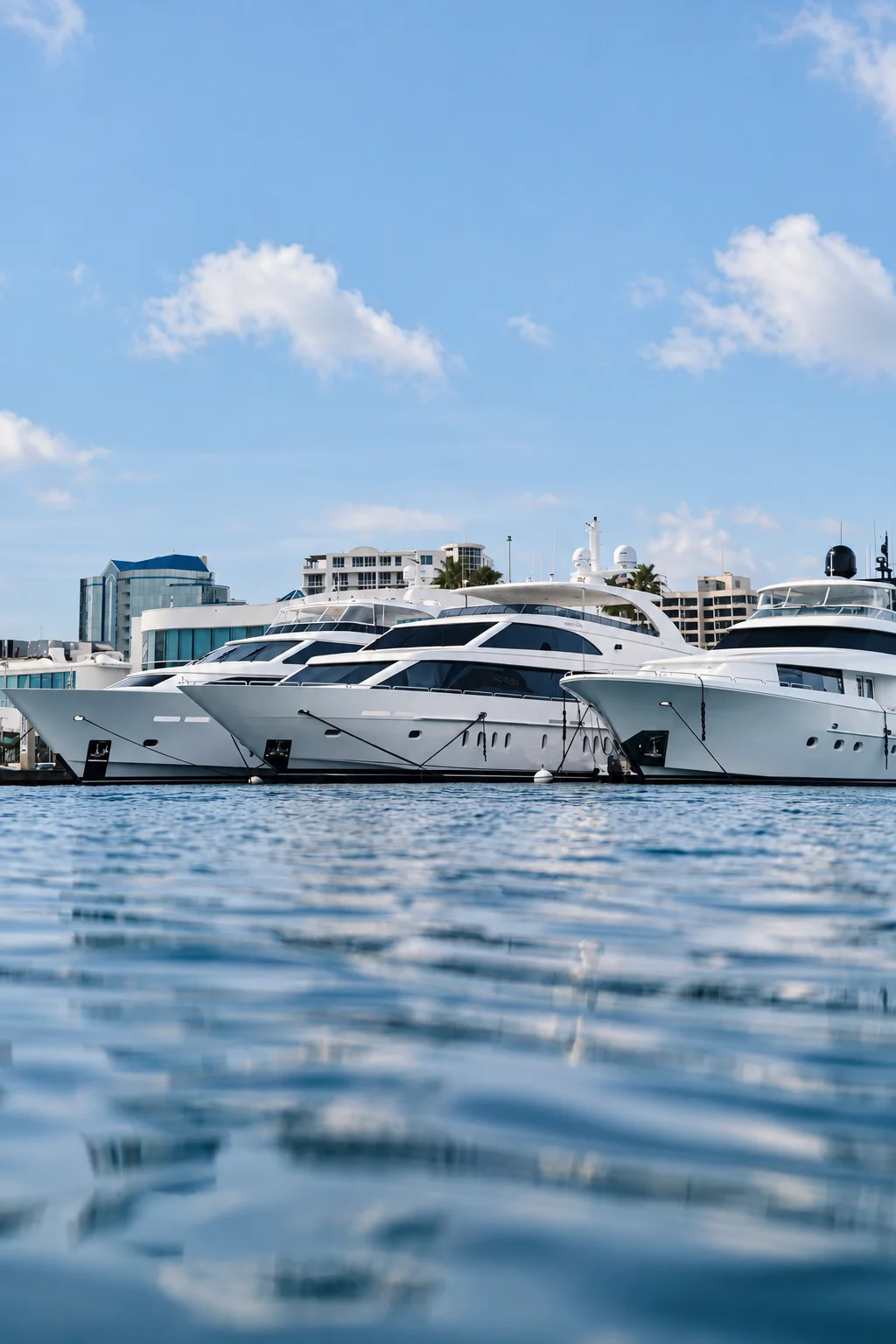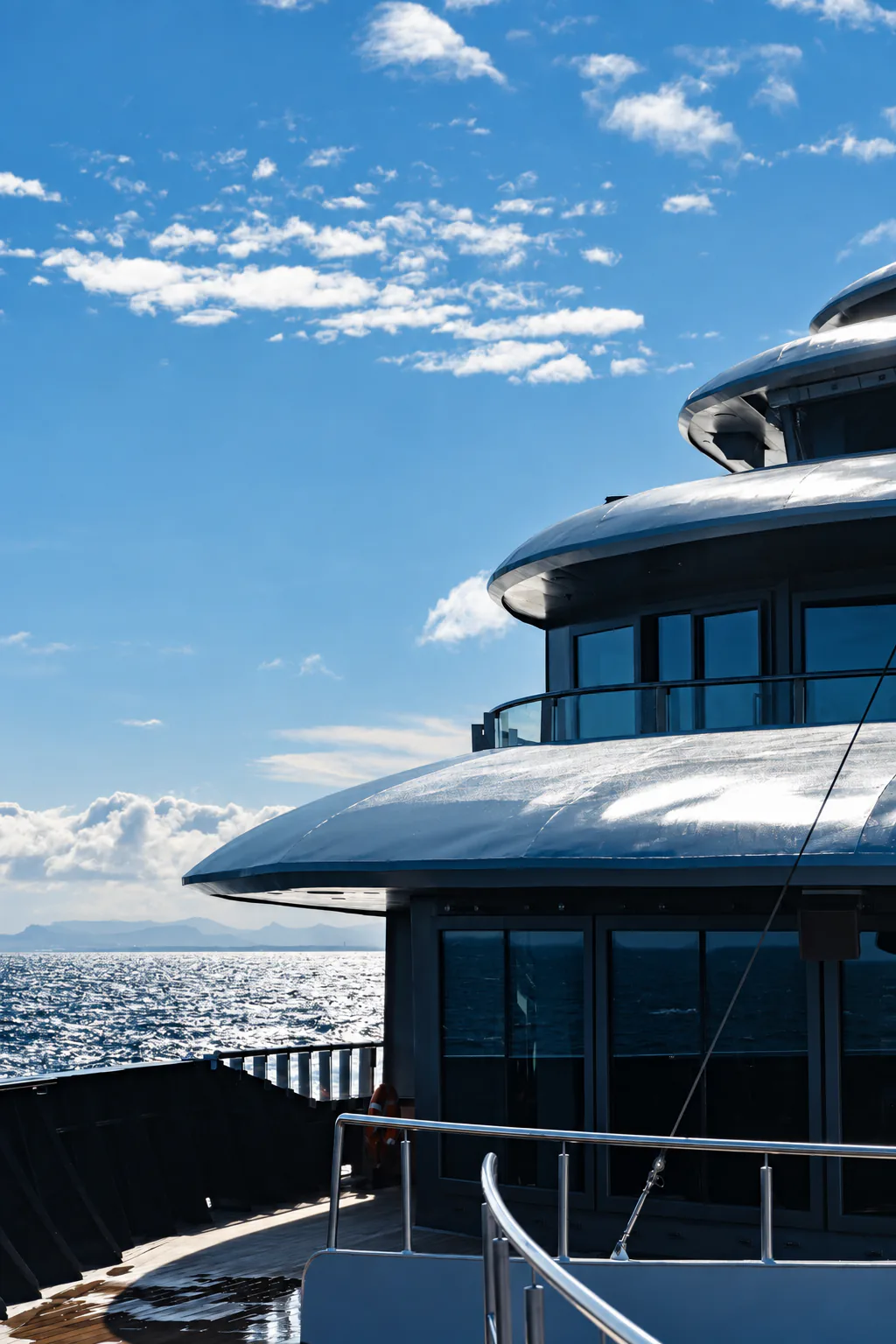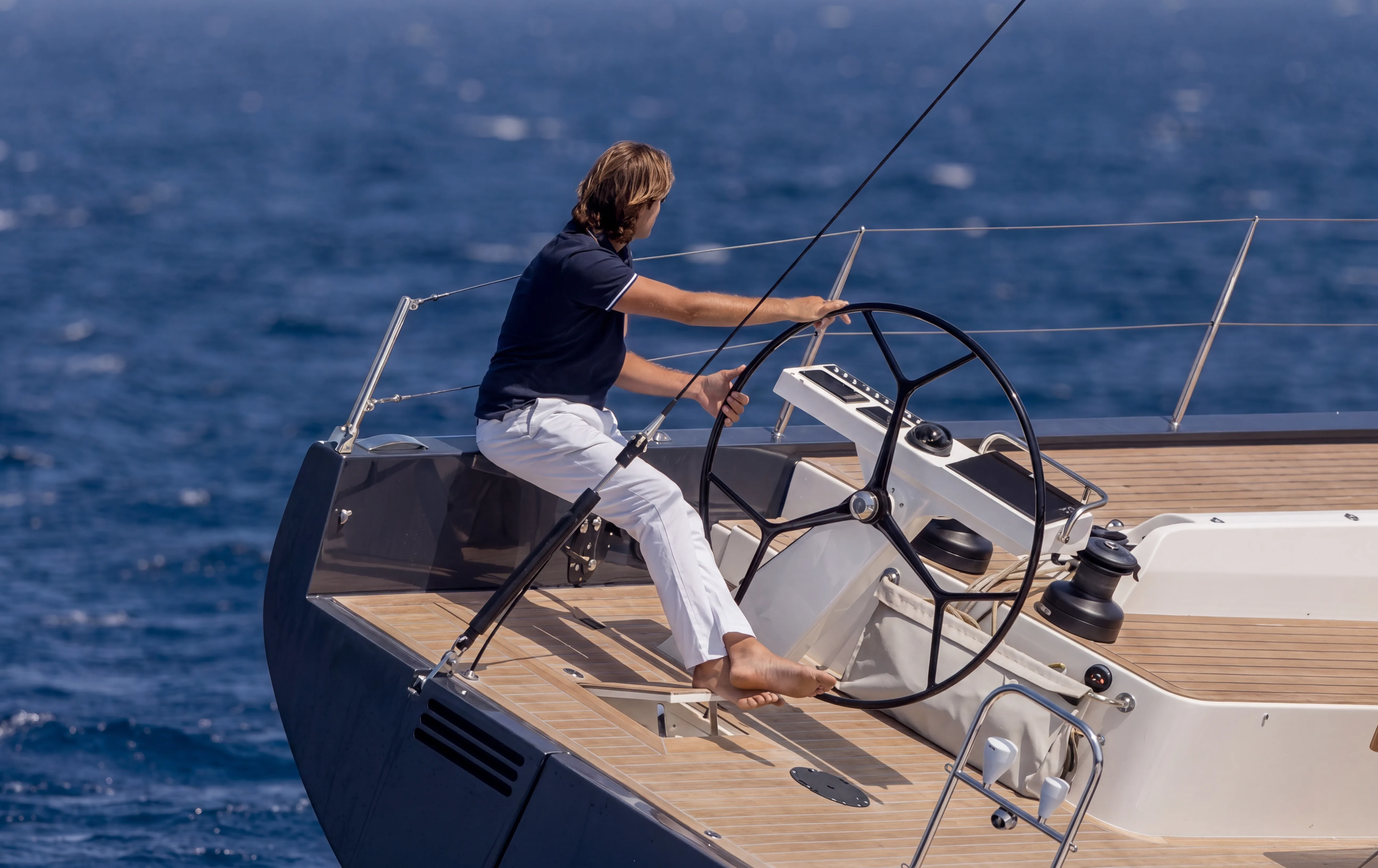
The owner who loves taking the helm may have chosen a yacht precisely for that involvement. Preparing a passage, feeling the vessel respond and bringing friends into a favourite anchorage are part of the reward. Professional crew can preserve that pleasure when the work around it begins to grow. Adding a capable person is not a declaration that the owner should stop operating; it can be the way to keep the most enjoyable part of owner operation alive.
The question is not answered by length alone. The yacht's area, equipment, use, insurer and applicable rules set one boundary, which the relevant professionals must confirm. The owner's desired role sets another. Between them is the everyday workload that determines whether a trip still feels like freedom.
Look at the whole outing, not only the passage
Consider the moment an owner decides to go out on Saturday. Someone checks the yacht, confirms the weather and route, prepares lines and equipment, provisions for guests and makes sure any open maintenance issue is understood. At sea, navigation and manoeuvring compete with questions from guests. Afterward, the vessel needs to be secured, cleaned and made ready for the next departure.
An owner may enjoy much of this. The balance changes when a short outing repeatedly needs a long preparation day, or when a family holiday leaves the owner occupied with repairs and logistics. Keep a simple record for several representative trips: how long preparation took, what work fell on the owner, which departures were delayed and what part of the day felt most rewarding. Patterns give a better answer than a single exhausting weekend.
Another signal is availability between trips. If small defects and service bookings accumulate because nobody has clear responsibility while the owner is away, the yacht can become harder to use even though it is the right boat. A shore-based manager may solve that problem without changing who navigates. A regular deckhand might make departures and water activities easier. A professional captain may be appropriate for longer passages or a different operating programme. The role should follow the actual need.
Decide which part of ownership remains personal
Crew can be designed around the owner's chosen involvement. Some owners want to take the helm with professional support for preparation and close-quarters work. Others want to participate in selected passages and leave operational command to a captain. Guest hospitality may need its own support, especially when the owner wants to spend time with family rather than divide attention between navigation and service.
Privacy and space matter. A permanent crew arrangement changes how people circulate, where crew live and how informal the atmosphere feels. A seasonal or occasional model may fit one yacht better. Another owner's extended programme may benefit from year-round continuity. LYRA's post-sale support includes coordination with captain, crew and contractors; the owner-side planning question is what structure makes this particular yacht ready and enjoyable.
Safety, qualifications, employment and insurance conditions cannot be guessed from the desired lifestyle. Flag, intended use, location and actual role may impose requirements. Specialists should confirm those requirements before the owner engages someone or changes the operating plan. Professional help should be appointed with clear command, authority, working terms and reporting, not treated as an informal extra pair of hands.
Try a support model before making it permanent
Where lawful and practical, a defined trial period can show whether the proposed role solves the real problem. Did the yacht become ready more reliably? Did departures feel calmer? Could the owner enjoy guests while retaining the level of involvement they wanted? Was the person's presence comfortable for everyone aboard? The answer may point to a different scope rather than simply more or fewer crew.
The owner can revisit the arrangement as journeys lengthen, guest patterns change or new capabilities are added. The yacht itself may continue to be an excellent fit. A developing support team allows ownership to evolve without making the original decision feel limited. The best moment to add crew is when doing so gives the owner more of the life the yacht was bought to create.