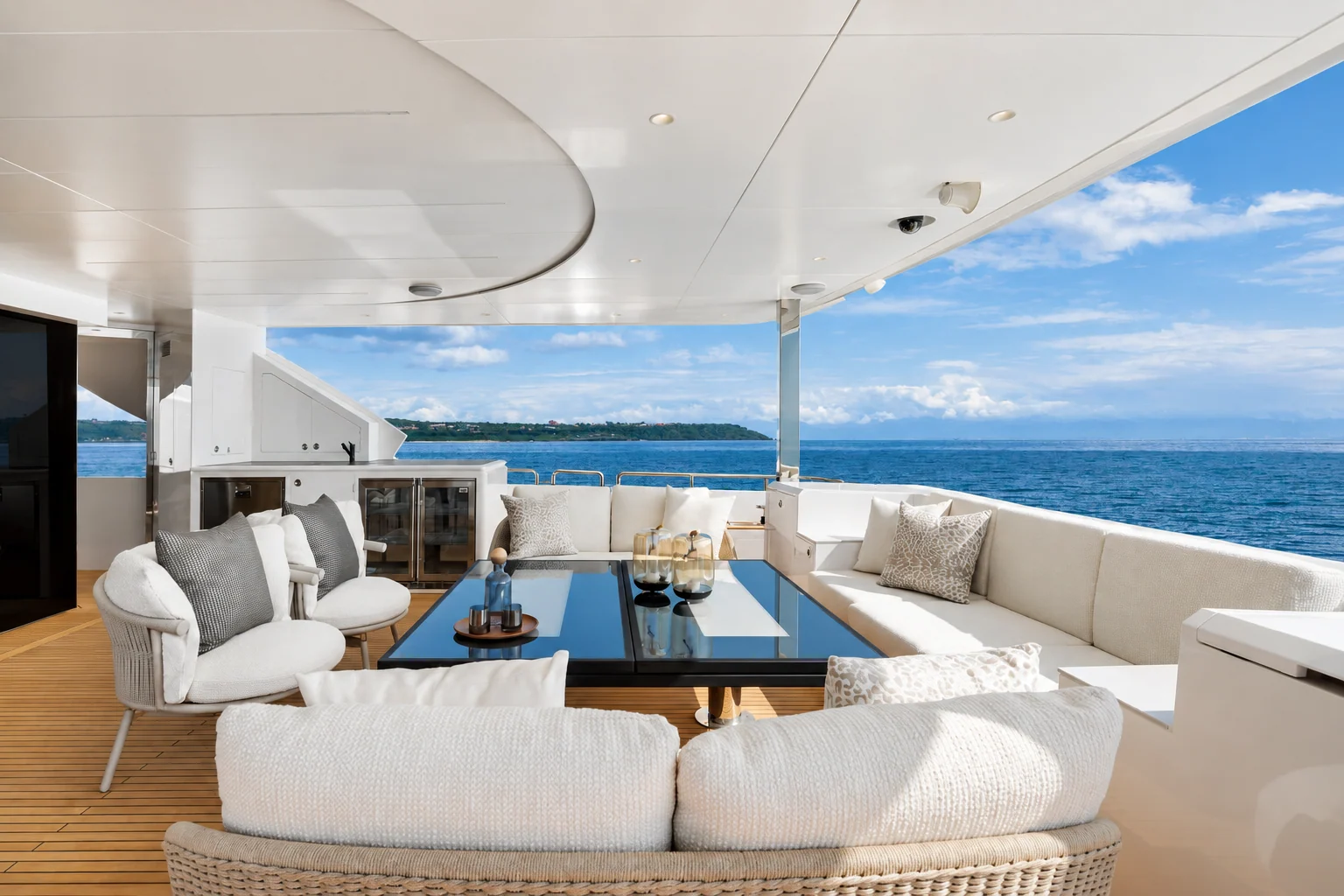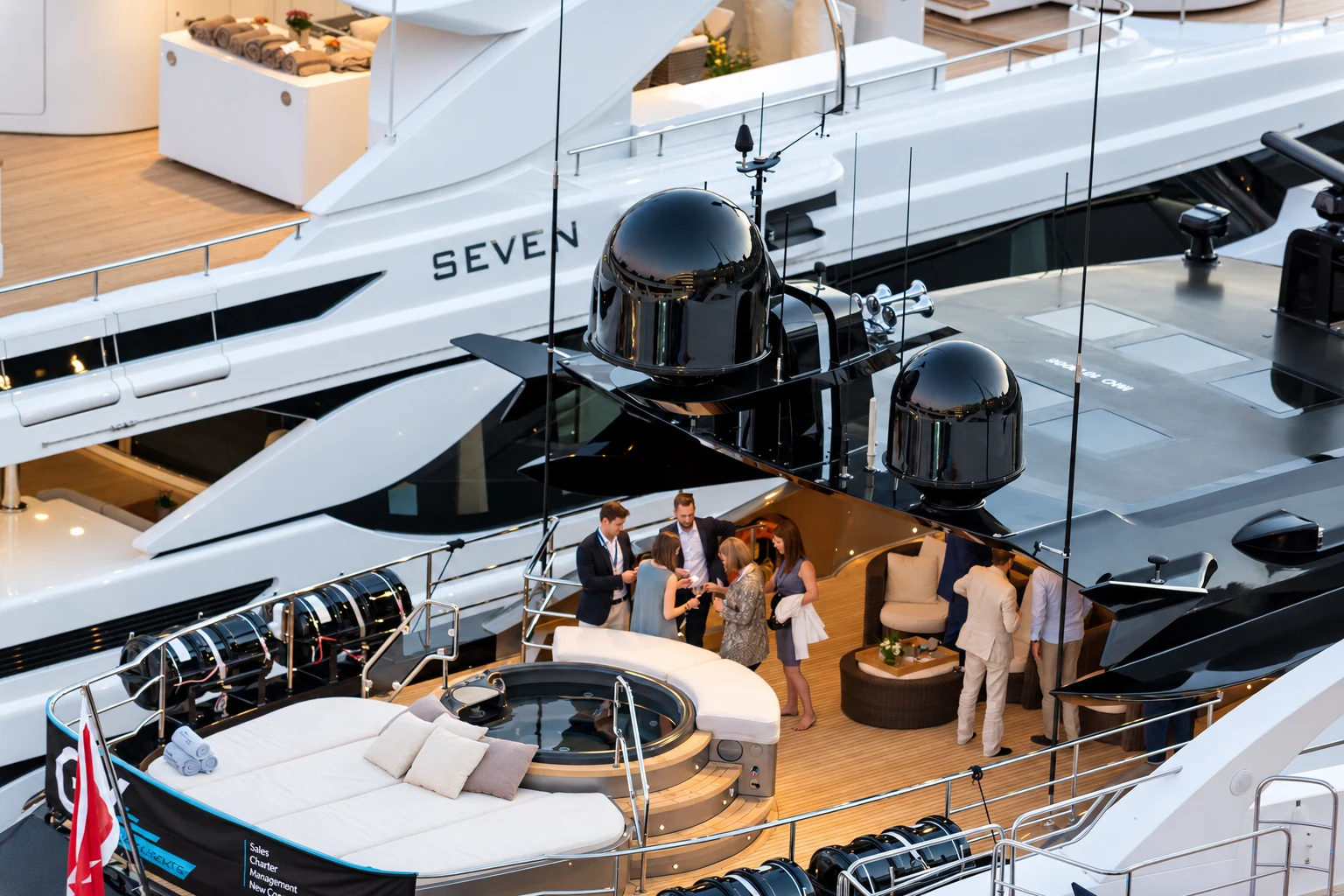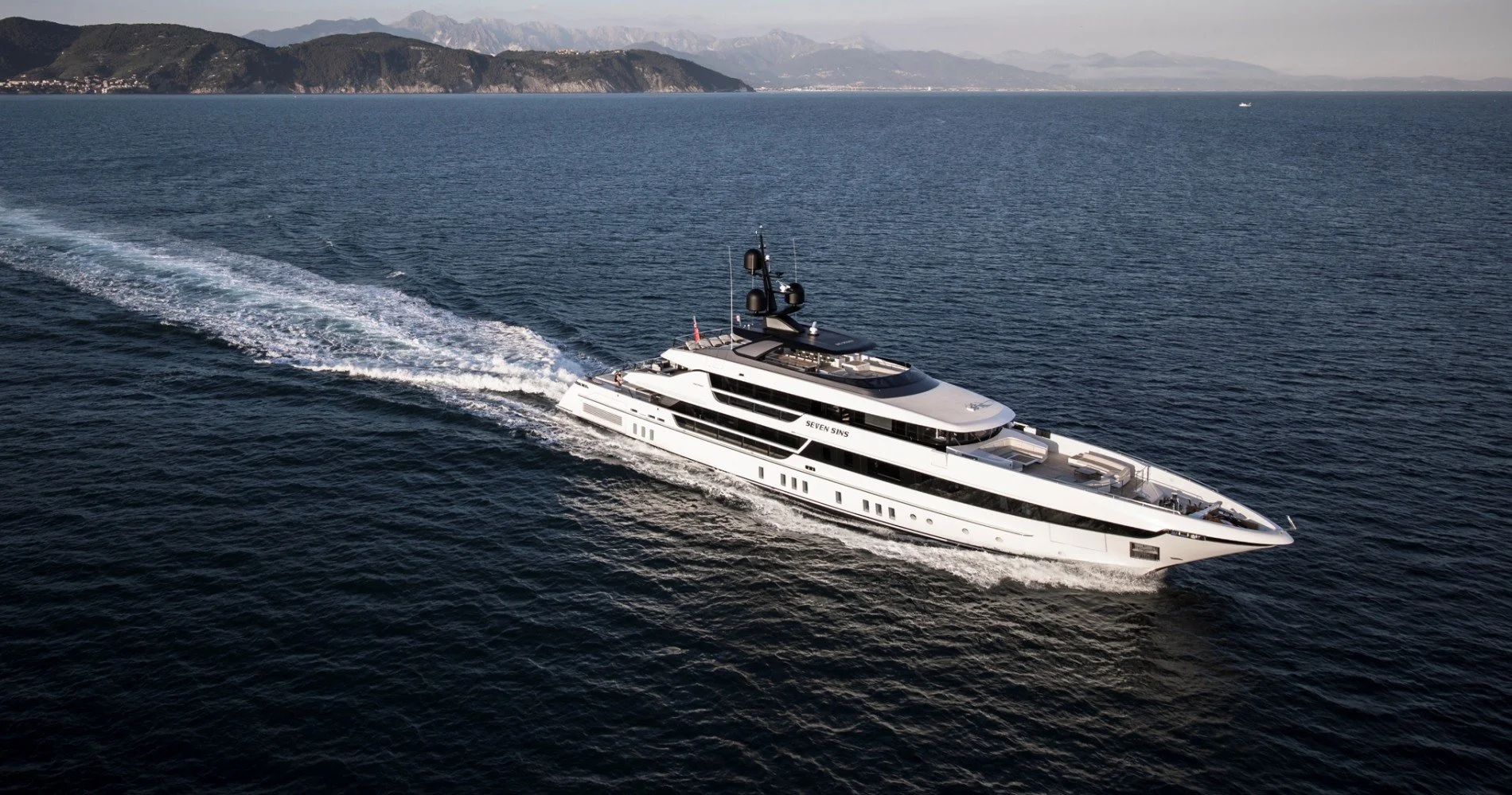
The tender may be a small part of the purchase's overall dimensions, yet its place aboard can influence much of the day. It needs an appropriate home during a passage and an assessed arrangement for being made available when the programme requires it. That home can also be part of a living space the company enjoys once the yacht is settled.
Tender Garage identifies an integrated storage facility in the catalogue; length keeps the comparison within the scale of yacht you want. The exact location, selected tender and handling system then show how the arrangement fits the yacht being purchased.
Understand the yacht with the tender aboard
Begin with the normal stored state. The representative and captain should identify the supplied arrangement and explain its relationship with the main yacht's spaces. The owner can assess the guest routes and areas appropriate for use in that configuration.
An exterior carrier, an integrated garage or another design creates a particular allocation of space. The purchase question concerns the complete arrangement rather than a general preference for hiding or displaying the auxiliary boat. The selected tender and its actual stored dimensions need to be included in the professional assessment.
The owner should also understand what is included in the offer. The boat, handling equipment and related installation can appear in different parts of a proposal. Bring them together as one confirmed package so the location being assessed belongs to the yacht you will receive. A photographed tender may illustrate the design while the offer specifies another boat. Ask the representative to identify that difference and have the relevant specialists assess the proposed combination.
See what changes when the tender is available
The second useful state is the main yacht after the tender has been deployed through the captain's appropriate arrangements. A platform or another area may then have a different role for the guests. The exact design determines how those functions relate and which uses are appropriate.
Catalogue examples: the Sanlorenzo 52Steel, listed at 52 metres, describes a beach-club area that also serves as a tender garage. The Custom Line Navetta 42, listed at 41.8 metres, describes a side-garage system. These larger motor-yacht examples illustrate different locations for integrating the tender into the vessel.
Across sizes, the same comparison can be made through the actual drawing and demonstration. The owner should see which spaces are available in each relevant state, with access and use explained by the qualified people responsible. A feature's everyday value becomes clearer when the whole arrangement is occupied.
Follow preparation and return as one sequence
The tender has work around each use. The captain and yard should explain the actual handling system, responsibilities and requirements, using the vessel and equipment documentation. A suitable demonstration can make the sequence understandable to the owner while operation remains with the appropriate professionals.
If shore visits are frequent in the intended programme, describe that pattern early. The people assessing the yacht can consider the arrangement through repeated use, including preparation, appropriate boarding and the boat's return to its place. The owner should know how the auxiliary vessel fits into the day's organisation.
Imagine the return from lunch ashore with the people and belongings involved. A bag of shopping, jackets and the things already on the main yacht need places while the captain's team handles the tender. Ask which guest areas remain available during that work and when the intended seating can be used again. This connects the storage choice with a repeated moment in your own day, within the arrangements the team assesses for the vessel.
In the LYRA catalogue, Tender Garage helps identify one facility to explore within a chosen size range. The individual installation supplies the detail. The main yacht's length and a garage marker cannot by themselves establish the capability of the selected tender or its suitability for a particular transfer.
The captain should assess the actual destinations and programme alongside the equipment. The owner contributes the shore experiences they enjoy and the company taking part. That personal brief gives the technical arrangement a recognisable purpose.

Keep the rest of life aboard in the picture
Guests still need comfortable seats, appropriate water access and routes to the shared facilities. The tender arrangement should be considered alongside those everyday uses. During viewings, place the regular company in the relevant areas rather than assessing the storage space in isolation.
Personal belongings and equipment can also move through the same part of the yacht. The household plan should give them appropriate places while the professional team manages the auxiliary boat. A coherent layout helps the activity coexist with the social day.
The selected configuration should remain clear through the purchase. If the tender or carrying system changes, have the relevant specialists assess compatibility and the effect on the surrounding spaces. The final proposal should describe one complete arrangement.
A tender's home is therefore part of choosing how the main yacht will feel in use. Thoughtful selection connects storage, professional handling and guest comfort, giving the smaller boat a practical place within the larger pleasures of ownership.