A longer sailing programme can involve several qualified people sharing responsibilities through an arrangement established by the captain. The yacht is experienced from working and resting positions, with movement between them forming part of the passage. During purchase, the space around those changes deserves attention alongside the rooms seen during a harbour visit.
The proposed team and offshore programme determine which working and resting spaces deserve attention. Recommended Crew and suitability for longer offshore passages help identify that field in the catalogue. Qualified professionals must define the watch organisation, responsibilities and procedures for the actual vessel and operation.
Give the proposed team a real place in the layout
Begin with the captain's assessment of the people required and the programme planned. The owner should understand the proposed roles and the relevant facilities aboard. A catalogue crew figure is a starting reference, followed by a specific professional arrangement for the actual yacht.
Place those people in the offered plan, using the roles and accommodation needs identified by the captain. Which cabin is allocated to each person, and which sleeping places are being counted? A flexible room may serve different purposes in alternative layouts. The proposal needs to show the arrangement for this passage, with a clear allocation for the actual team and guests.
Then locate the working station, the nearby areas involved in the captain's arrangement and the route to each relevant cabin. Following those connections with the representative gives the owner a way to understand the whole layout. A beautiful room at one end of a drawing becomes more familiar once its entrance and surroundings are visible.
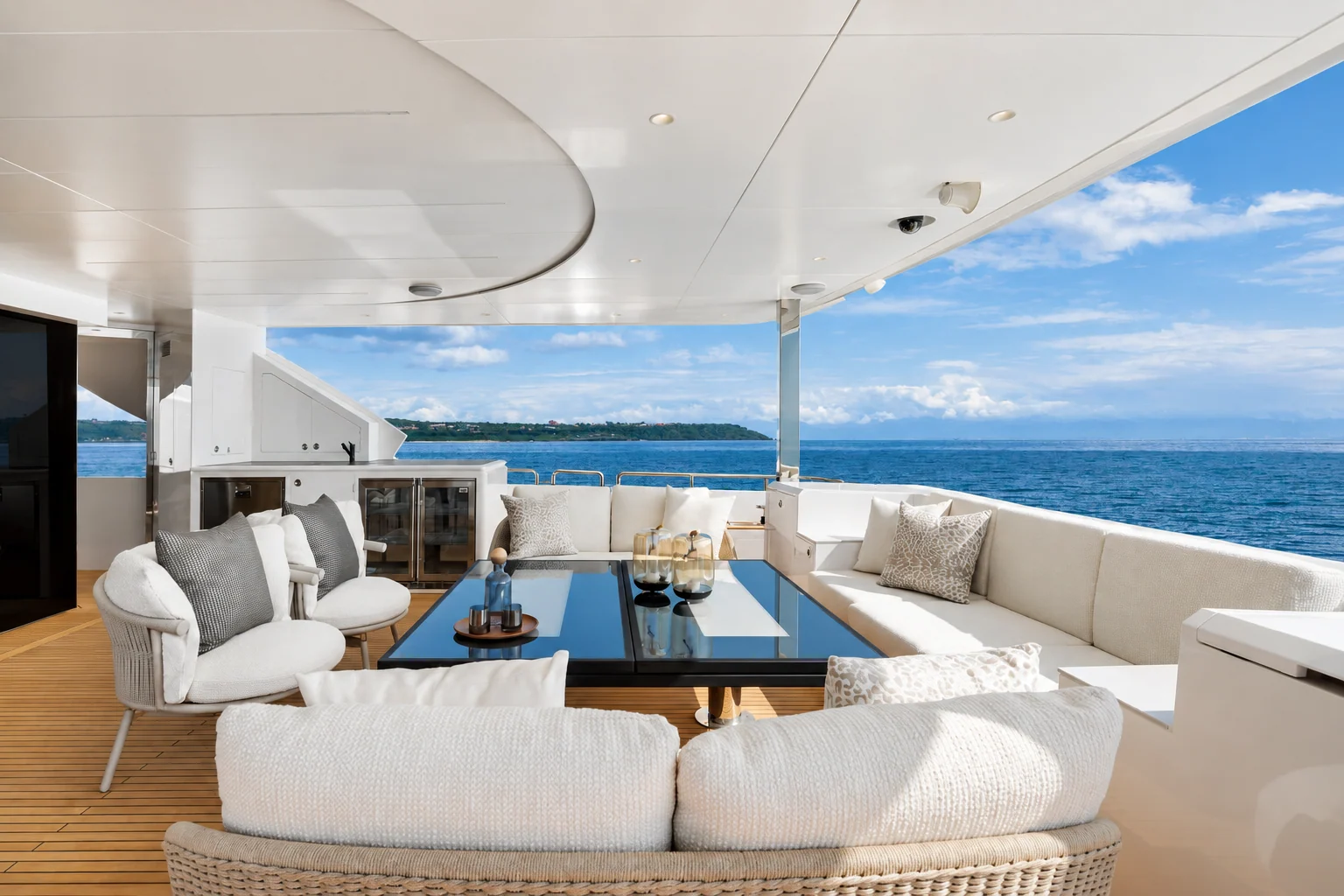
This gives the layout a different perspective from a purely social tour. A comfortable cockpit can also be a working environment during a passage. The relationship between its functions should be understood for the intended use, with the supplied furniture and equipment shown in their relevant states.
Look at room for communication around the station
A professional handover has its own defined process. The captain and appropriate specialists should establish it under the requirements applying to the vessel. The purchase-stage question concerns whether the actual station and surrounding space support that professionally assessed arrangement.
During a suitable viewing or demonstration, ask the responsible professionals to explain the positions involved. Look at the actual space where the people would meet and the positions from which they would speak. A harbour visit may show an empty cockpit with its furniture set for entertaining. Understanding the professionally assessed passage arrangement requires seeing where that furniture, the people and the installed equipment belong together.
The configuration matters when alternatives are offered. Different seating, console equipment or cockpit furniture can affect the surrounding space. Identify the exact proposal and have any relevant differences assessed before relying on a demonstration of another version.
In the LYRA catalogue, the crew and offshore-passage parameters help identify a field of yachts. The actual vessel, team and programme provide the evidence needed for the next assessment. Suitability should be established through that complete picture.
Follow the route between work and rest
The people sharing the programme also need appropriate accommodation and daily facilities. Their routes to those spaces deserve a clear place in the review. Doors, changes of level and the relationship with guest areas can all be discussed with the captain through the actual plan.
Consider the cabin as someone would actually occupy it. Personal clothes, bedding and an everyday bag take their places, and the bathroom has a route of its own. Ask which storage belongs to the occupant and which needs to remain available for the yacht. A cabin shown ready for use can reveal details that a drawing leaves abstract, such as where a person would put a jacket or reach their own belongings.
The room's surroundings matter as well. Identify adjacent equipment and the spaces through which other people pass, then ask how those relationships are assessed for the proposed programme. A quiet impression during one viewing is an observation from that visit. The captain and technical specialists should address the actual accommodation requirements and the conditions relevant to the vessel.
Guests may be using the same wider yacht for meals, reading or time together. The actual arrangements should make the relationship between guest life and professional responsibilities clear. The owner contributes the intended company and experience, while the qualified team determines the operating plan.
These questions are useful during selection because they connect the travel ambition with a vessel people will inhabit over time. The cockpit and cabins belong to the same passage, with each serving a particular part of the day. The complete plan should remain intelligible to the buyer.

Include the spaces in the purchase review
Keep the accommodation drawing and cockpit specification together when discussing changes. Moving a partition, selecting another console or altering seating may affect a connection you have already reviewed. The relevant specialists should assess the change, and the revised proposal should show the resulting arrangement so the team and owner are considering the same spaces.
The people joining the yacht need appropriate familiarisation with the installation and the captain's procedures. The relevant documentation and responsibilities should be clear through handover. This connects the physical arrangement seen during purchase with the actual programme after delivery.
When comparing candidates, keep the same team and journey in view. The owner can describe the spaces that felt coherent, alongside the professional findings about their suitability. A specific observation about a route or station is more useful than a general impression of offshore character.
A well-prepared sailing yacht gives the people aboard a considered setting for a longer journey. Working positions, accommodation and movement are understood together, supporting the professional organisation behind the passages the owner is excited to enjoy.