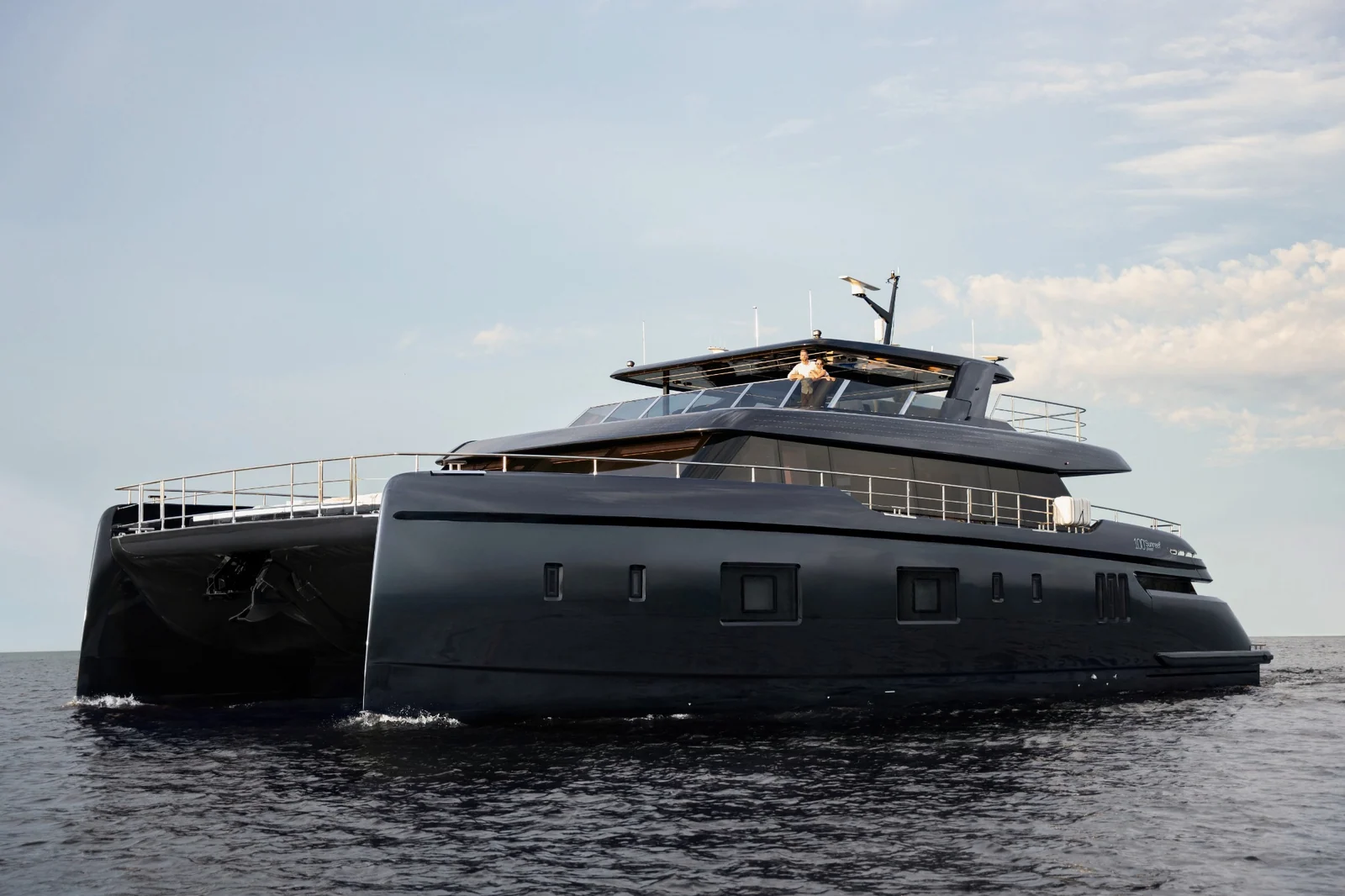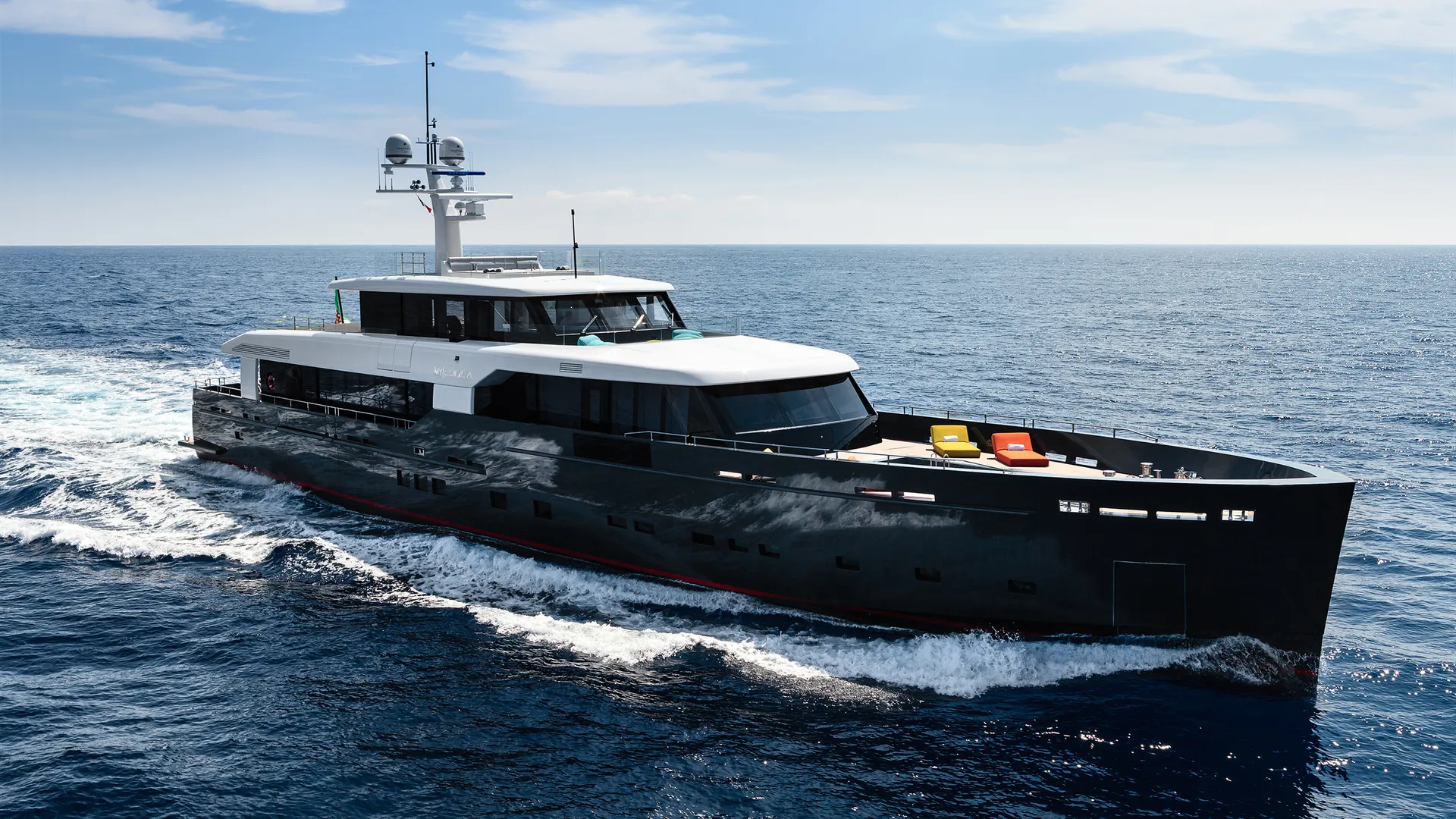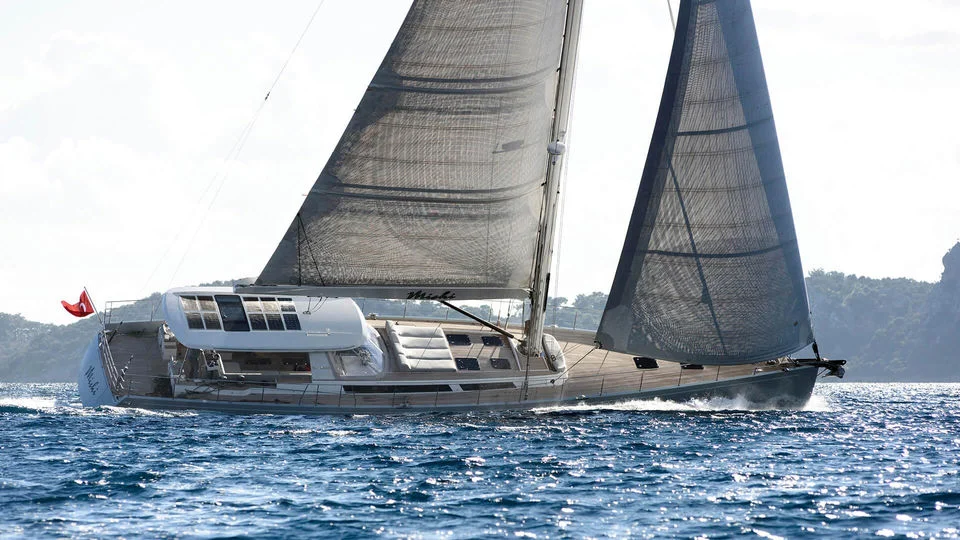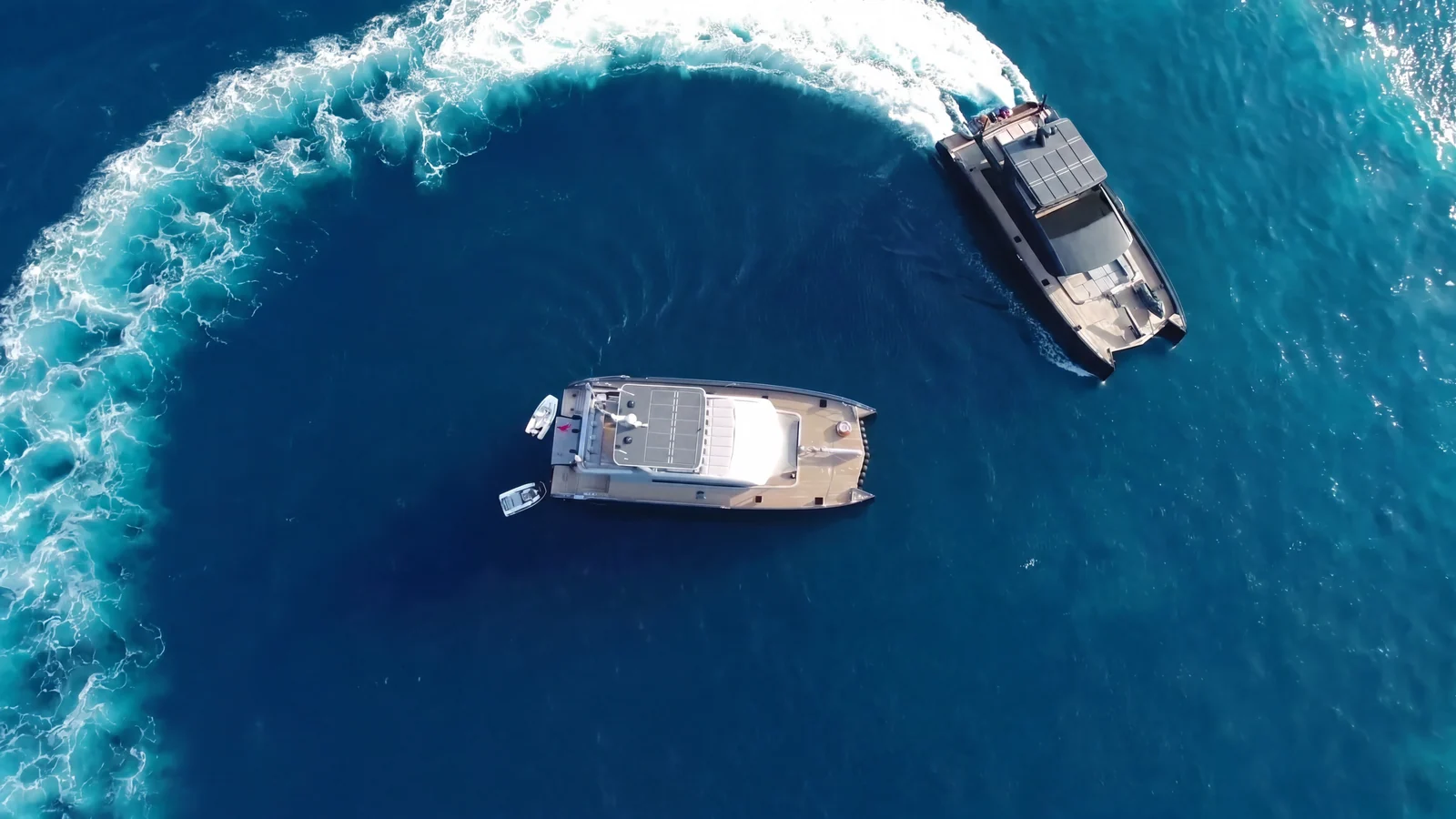
Part of the company is excited about a kitesurfing session. Others are looking forward to lunch, a book and the view from the yacht. These interests can sit comfortably within one outing when the purchase brief gives both groups a clear place. The sporting activity adds energy to the day, while the yacht remains a welcoming base for everyone aboard.
The useful catalogue parameters are Surf, Windsurf & Kitesurf facilities and Guest Capacity. They connect the activity with the company sharing the yacht. The next distinction concerns how equipment, preparation and guest spaces relate to one another in the actual layout.
Give both groups something to look forward to
Begin with the day each person would enjoy. The riders may want a particular kind of session, with its location and conditions assessed by qualified professionals. Friends staying aboard may value a comfortable shaded seat, conversation or a meal while the sporting programme takes place.
The yacht's non-sporting spaces should therefore receive their own attention. A pleasant table and a comfortable lounge can make the visit attractive to people with different interests. During a viewing, place those guests in the rooms and outdoor areas they would actually use.
Guest Capacity in the LYRA catalogue helps frame the intended group. The relevant permitted numbers and operating arrangements must be confirmed for the vessel. Within that framework, look at how many people can enjoy each area comfortably while the other activities continue.
Keep preparation within an agreed space
The sporting equipment brings physical requirements aboard. Its actual dimensions, storage and care instructions belong in the purchase discussion, together with the captain's assessment of how the programme will be supported. Explain the complete set you intend to carry.
Preparation needs to be planned for an appropriate location with the relevant professionals. A yacht's suitability marker does not establish that kites can be launched from its deck. The equipment, shore access, local requirements and operating plan should be assessed for the actual activity and destination.
For the owner's layout comparison, the practical question is which areas support the equipment before and after use. Guests should still have comfortable places to sit and clear routes to the facilities. A defined storage and preparation arrangement helps the sport coexist with ordinary hospitality.
Make the transfer part of the programme
If the session begins from an appropriate shore location, the journey between the yacht and that place becomes part of the day. The captain and relevant specialists should assess the transfer, people and equipment involved. Their plan needs to address the actual location and circumstances.
The owner can describe the intended rhythm: who joins the activity, who remains aboard and when the company expects to come together again. This gives both the sporting support and guest preparation a useful reference.
The team should explain who will support the transfer and activity, and who will remain responsible for the yacht and guests aboard. Those responsibilities need to fit together for the actual programme. Neither a facilities marker nor the overall guest figure describes that division. Understanding it helps the owner picture both parts of the company being properly hosted until everyone comes together again. The yacht can then be considered as a base for the whole group.
Think about belongings during those movements. Riders will have equipment and personal items; friends may have books, bags and drinks in the living areas. Suitable places for each help the yacht remain composed as people leave and return.
Plan the reunion as carefully as the departure
After the session, the sporting group may want to change, care for equipment and join everyone at the table. That transition can influence which routes and storage areas are most useful. Ask the captain and supplier how the equipment's care requirements can be supported by the proposed facilities.
The remaining company should be able to keep enjoying their afternoon during that process. A social space protected from wet equipment and temporary preparation can preserve the atmosphere they came aboard for. The physical relationship between storage, changing areas and seating gives the comparison substance.
Describe the moment when the riders return and the table is already in use. Their equipment needs the agreed route to its care and storage area while friends remain settled. Viewing that relationship with the relevant spaces occupied can reveal which arrangement best supports the reunion you have in mind.
Then picture the shared meal or journey afterwards. The sport becomes something to talk about, with the whole group back together in a place everyone enjoys. The yacht's role is broader than supporting the session: it provides the setting in which different interests form one shared outing.
Choose around the complete company
When assessing candidates, keep the same people and activity plan in mind. The sporting facilities should support the intended equipment and professionally developed programme. The guest areas should offer a satisfying visit to those taking part in other ways.
This makes the purchase distinctly personal. You are choosing a yacht around an interest you enjoy and the friends you want beside you, with a proper place for both. A well-matched arrangement can turn a sporting day into a richer social experience, ready to be repeated through the season.