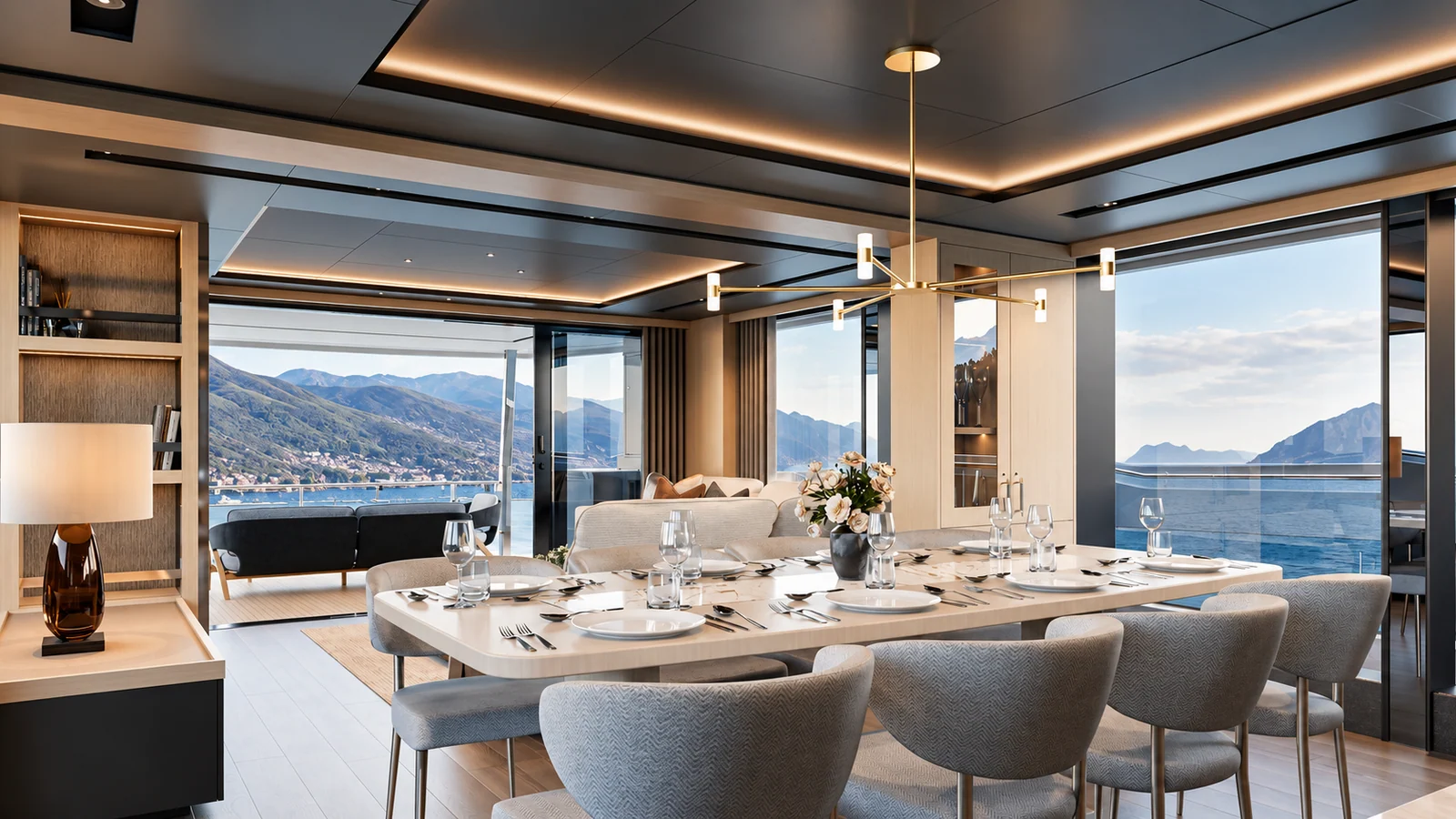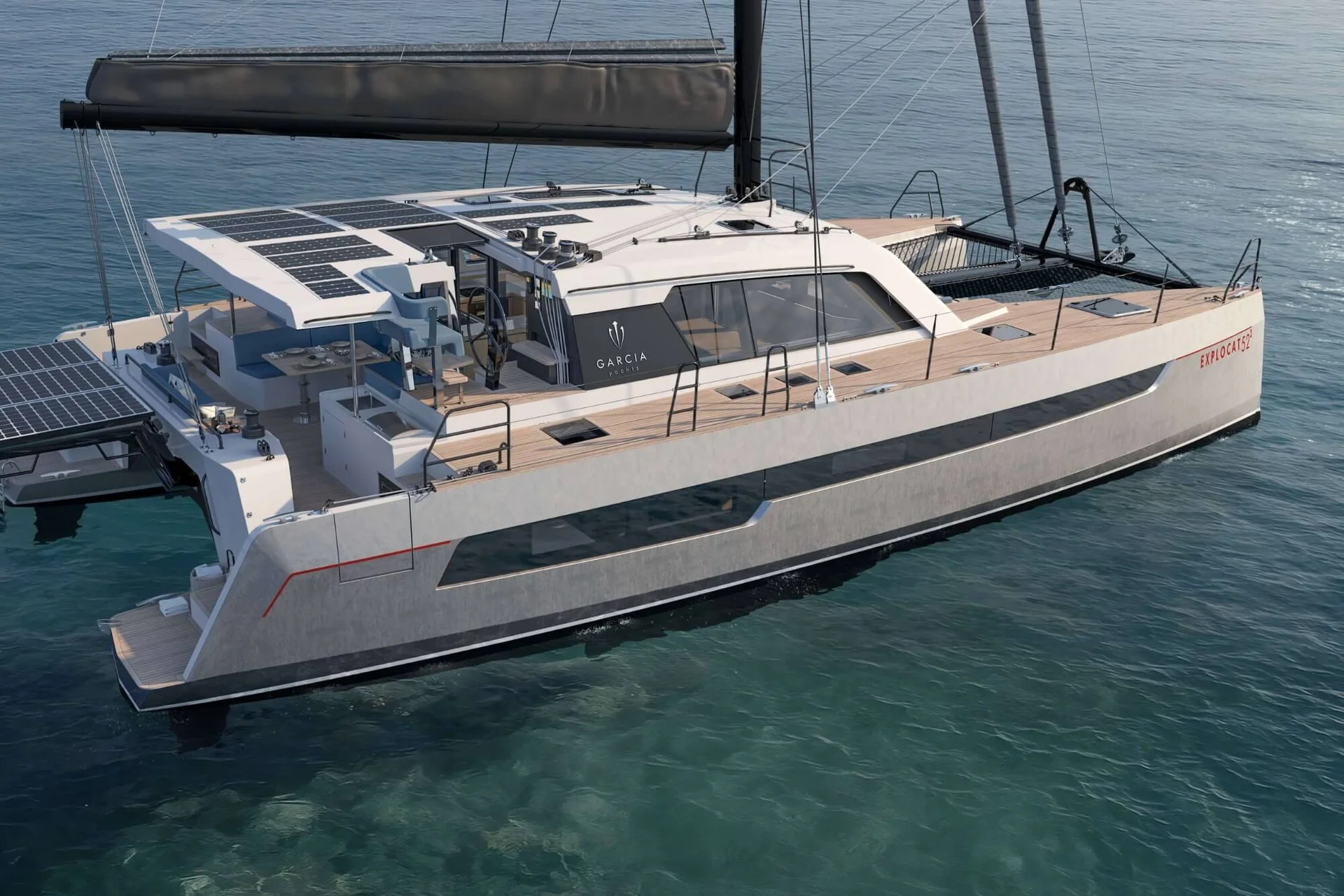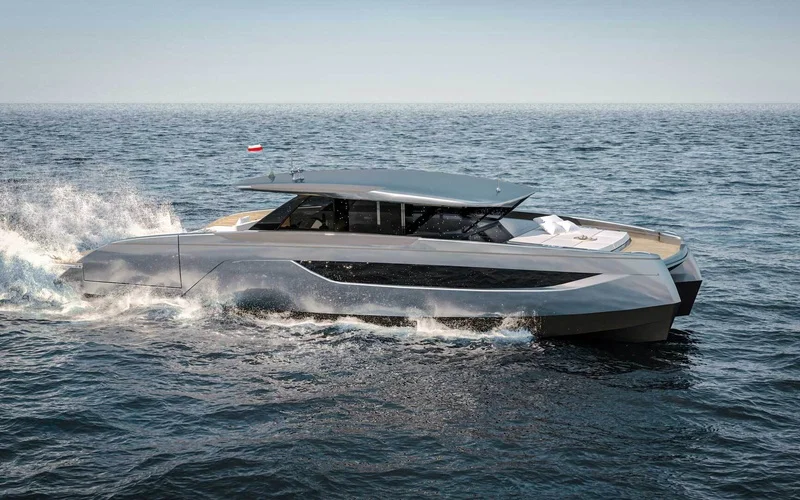
A long day aboard gives friends time to spread out. Some remain at the table, others choose a different view and the company comes together again as the afternoon develops. A motor catamaran can make an appealing candidate for that kind of hosting when its particular layout gives the group comfortable places and a coherent relationship between them.
Within a motor-yacht search, catamaran hull type introduces the platform and Guest Capacity frames the company. The deck plan shows where those people could spend the day, giving the broad architecture a personal purpose.
Give the platform an occupied scene
Begin with the people you most often invite. Place them around the dining table and in the other social areas, considering how they like to spend time together. A group that stays in one conversation may value a different arrangement from friends who enjoy several smaller gatherings.
The usable layout matters more than a general impression of breadth. Furniture, service areas and routes allocate the space people will actually occupy. During a viewing, look at those relationships with the yacht arranged for normal use.
Identify the places you and your friends would use repeatedly: a shaded table, an inviting lounge or a protected seat for conversation. Then bring the company back together in the plan for the main meal. Seats distributed around several lounges describe a different arrangement from one table welcoming the intended group. Ask the representative to identify the actual dining places and any agreed furniture preparation. You can then compare both pleasures: friends choosing their own corner through the afternoon and everyone sharing lunch in a setting that fits them. Consider where someone would join the table after resting elsewhere and where the company would settle afterwards. The broad platform gains a personal scale through those particular occupied spaces and the movements between them.
Read the catalogue through actual social areas
In the LYRA catalogue, catamaran hull type and guest capacity help focus the field. The actual permitted numbers and operation need confirmation for the vessel and use. The seating plan shows where the actual company would gather.
Catalogue example: the Sunreef ULTIMA 55, listed at 16.6 metres, is a motor catamaran whose description includes a semi-open dining area and lounging spaces. It illustrates a layout to explore through the way your own company would occupy the yacht.
For individual candidates, distinguish the places used during the passage from those enjoyed once settled. The captain should explain the appropriate arrangement for each part of the day. A comfortable outing depends on the complete sequence, with the vessel professionally assessed for the programme.
Hull type introduces an architecture to compare. The actual yacht's performance, comfort in the relevant conditions and operating suitability need their own evidence and professional review. The owner can keep the personal experience clear alongside that assessment.
Let friends move without losing the gathering
The connection between saloon, cockpit and other seating areas can give the afternoon its character. People may choose a quieter corner while still feeling part of the company, then return naturally to the main table. Assess those positions from seated height during viewings.
Look at the routes to bathrooms, cabins and appropriate water access. They should remain understandable while the furniture is occupied. A plan that looks generous while empty may reveal particular points to discuss once the regular guests are placed in it.
Belongings also give the day an occupied shape. Bags, books and towels need appropriate places, with equipment handled through the captain's arrangements. The shared rooms should continue to feel welcoming as activities change.
The galley's relationship with the company can matter especially during a long visit. The host may enjoy cooking nearby or prefer a professional service arrangement. The actual kitchen and table should support that role, with the people doing the work contributing to the assessment.
Connect the yacht with its coastal base
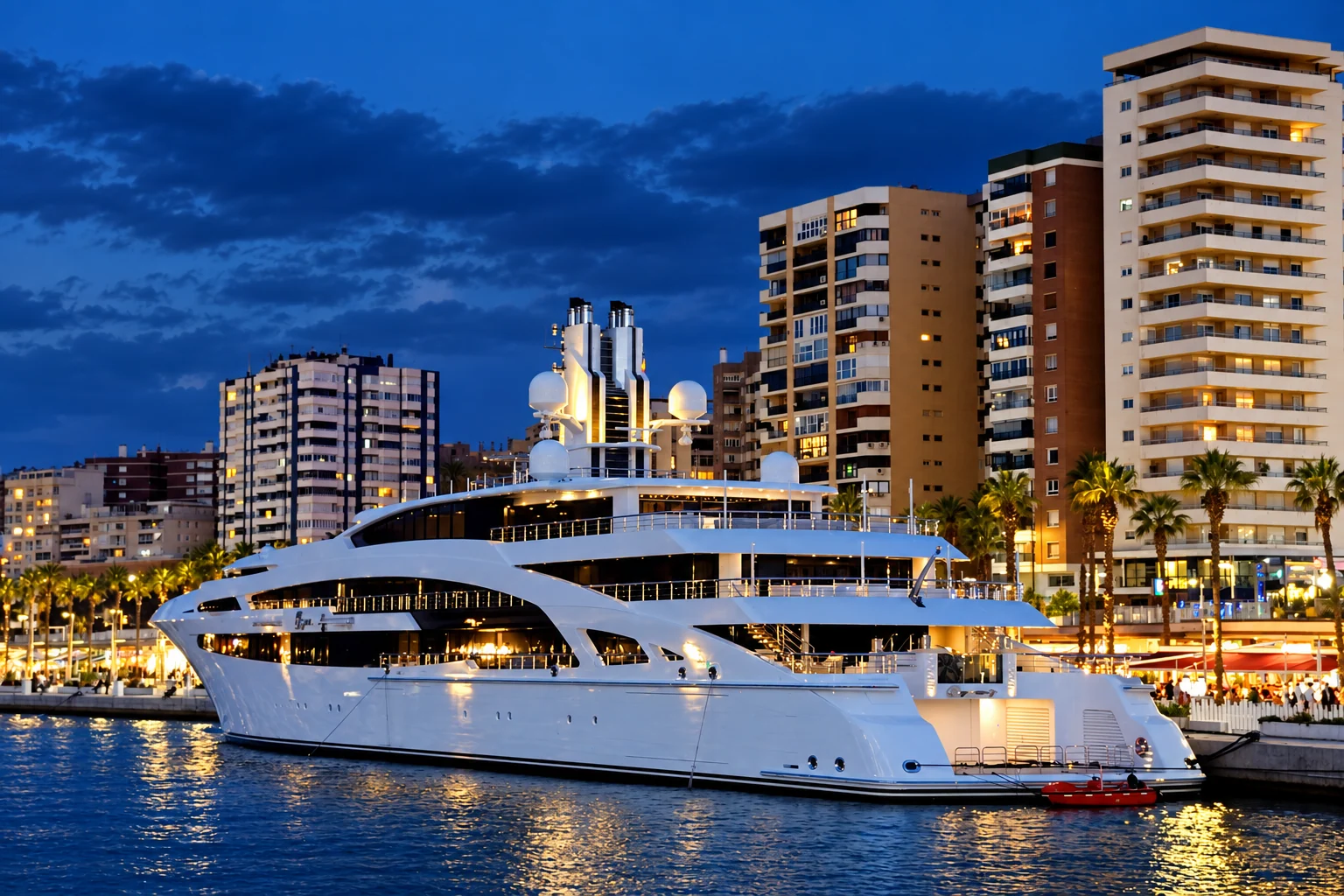
A catamaran purchase includes the actual berth and access arrangements. The captain and providers should confirm suitability for the vessel's full dimensions and intended period of use. The owner can explain the pattern of visits and preparation expected at the base.
This gives the day's beginning and end a coherent shape. Guests know where to arrive, the yacht has its agreed preparation and the return passes into an understood after-use routine. The broader platform is considered within a complete ownership arrangement.
During a suitable demonstration, experience the guest areas made available by the captain and discuss the relevant findings. The owner should be able to connect the appealing layout with the actual yacht and operating programme being proposed.
Choose the places that make the hours enjoyable
After viewings, describe how the afternoon would unfold aboard the leading candidate. The table, quieter seats and routes should serve the people you have in mind, with the professional assessment addressing the vessel's capabilities and requirements.
A motor catamaran can give a social day an appealing range of settings. Chosen through the actual layout, it becomes a personal place for friends to spend time, with room for conversation, different views and the familiar pleasure of gathering again around the table.