Someone asks for lunch outside. On a yacht with several outdoor tables, the crew may need to ask which one. A family member calls a room the front cabin, while the crew uses a different name. These small differences are easy to resolve, and resolving them helps everyday life aboard become more natural.
A shared vocabulary gives familiar places a common name. It can be developed during handover and refined as the family uses the yacht. The result is a practical layer of ownership: people understand ordinary requests more quickly and feel more at home in the spaces around them.
Start with the places everyone visits
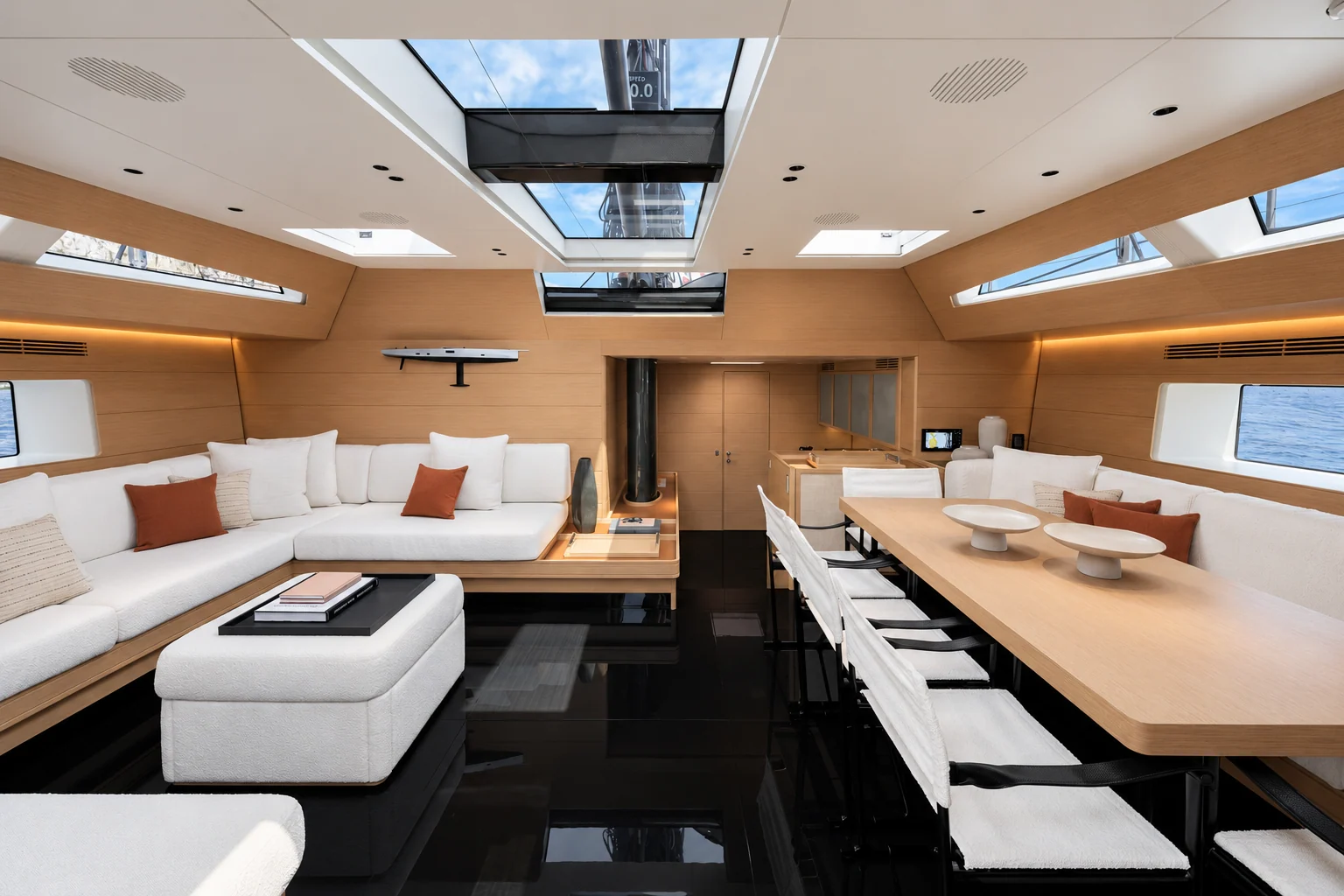
The saloon, cockpit, cabins and bathing area are useful starting points. Walk through them together and agree which names will be used in everyday conversation. Where several places have a similar purpose, add a clear distinction that matches the actual layout.
For example, a main-deck table and a flybridge table can be named by their location. That makes a lunch request more precise while keeping the language simple. The captain can explain the yacht's proper terminology alongside the terms the family finds easy to remember.
Cabin names deserve particular attention when guests change. Referring to a room by its position or agreed name keeps it identifiable regardless of who is staying there. Guest allocation can then sit alongside those stable room names for each trip.
A nickname used within the family can remain part of the yacht’s character. Pair it with the agreed room name when introducing it to someone new, so a personal expression still points to an identifiable place. This is especially helpful when a familiar family guest and a newly arrived crew member are discussing the same room.
Children can join the familiarisation in a way appropriate to their age. Recognising the names of the places they use helps them ask for what they need and understand ordinary directions from the adults responsible for them.
Connect the words to something visible
A floor plan can support the conversation, especially during the first weeks aboard. Mark the agreed names on the correct rooms and use the same names in guest preparation. The drawing becomes more useful when it reflects the exact yacht rather than a different layout from a brochure.
Check the words from the listener’s position as well. A place described as upstairs may be clear to someone in the saloon and ambiguous to someone already on an upper deck. A stable location name carries the request more reliably between those different starting points.
Photographs of individual spaces can help where a name is still unfamiliar, provided the family's agreed privacy and information-handling arrangements are followed. The purpose is to make identification easy for the people using the yacht.
It is also useful to identify storage by its actual location. A bag kept in a named locker is easier to find than one said to be somewhere below. Agree the names for frequently used places and keep them consistent when belongings move between the family and crew.
Give everyday requests a clear destination
Many requests combine an activity, a place and a time. Breakfast at the cockpit table after a swim is more specific than breakfast outside. A guest's bag placed in the port guest cabin identifies the destination more clearly than a reference to their room before the allocation is familiar.
The family can use ordinary language, with the crew confirming details where needed. A short clarification is often enough to make the request useful. Over time, familiar preferences and shared names reduce the need to repeat the same explanations.
When several family members make arrangements, one agreed plan for meals, guests and room allocation helps the crew connect requests. The shared vocabulary supports that plan by keeping its places and people identifiable.

Keep operational language with the captain
Household names and ordinary service requests have their own purpose. Instructions connected to the yacht's operation, emergencies or safety need to follow the captain's established procedures and the appropriate familiarisation. Those terms should be explained clearly to everyone who needs to understand them.
This distinction lets daily conversation remain comfortable while preserving the precision needed for operation. The captain can tell the family which words and instructions they should recognise, and how questions should be raised if something is unclear.
Recommended Crew and Family suitability in the LYRA catalogue can begin a conversation about the people sharing the yacht. The actual team and household routine then give the communication arrangements their shape. A vocabulary is developed for that real group, rather than assumed from a general staffing figure.
Let familiarity build through use
The first version can be short. Include the spaces and requests that recur, then add a term when it proves useful. A long glossary would be harder to remember than a small set of words people actually use.
When new crew or regular guests join, the agreed names can be included in their introduction to the yacht. That helps preserve familiarity across visits, even as the company changes. The captain or designated person can maintain the current version alongside the relevant guest and service information.
As the family spends more time aboard, these names become part of the yacht's character. A favourite seat, a familiar cabin and a table with a particular view acquire shared meaning. Clear language supports that feeling of belonging, allowing the crew and family to enjoy an easier rhythm together.