The day has a few appealing chapters: time near the water, lunch at another stop and a final place to enjoy the late afternoon. The distances may be modest, while the yacht changes between moving and settled several times. Choosing for that rhythm gives the owner a different set of questions from selecting around one uninterrupted passage.
Single-Handed Operation focuses attention on owner involvement, while the Travel marker frames the outing. The actual vessel, team and route need professional assessment for the repeated stops you have in mind.
Follow the transitions as well as the passages
Each stop has a before and after. Guests settle for the journey, the yacht arrives through the captain's arrangements and the company moves into its next activity. Later, the vessel is prepared for another leg. The layout should make those changes understandable for the people aboard.
Think about the ordinary objects involved. A book, drinks or a bag may have been used while settled and need their appropriate places during operation. Storage close to the relevant living area can help the household move between uses without reorganising every room.
Picture the later transitions with the objects already used earlier in the day. Towels, personal belongings or meal items may have different care and storage needs by then. The relevant team can explain how the layout supports those stages. This gives the comparison an occupied afternoon to follow, beyond the tidy arrangement seen before the first departure.
The people doing the work need their own clear arrangement. The captain or instructor should assess the owner's intended role and the support required for the actual yacht and circumstances. The owner can explain how involved they want to be, giving the professional plan a personal context.
Keep the guest areas comfortable through the sequence
Guests will use seats differently during the passage and at each stop. During viewings, have the representative explain the intended arrangements and look at the places appropriate for those parts of the day. The company should have appealing settings in both states.
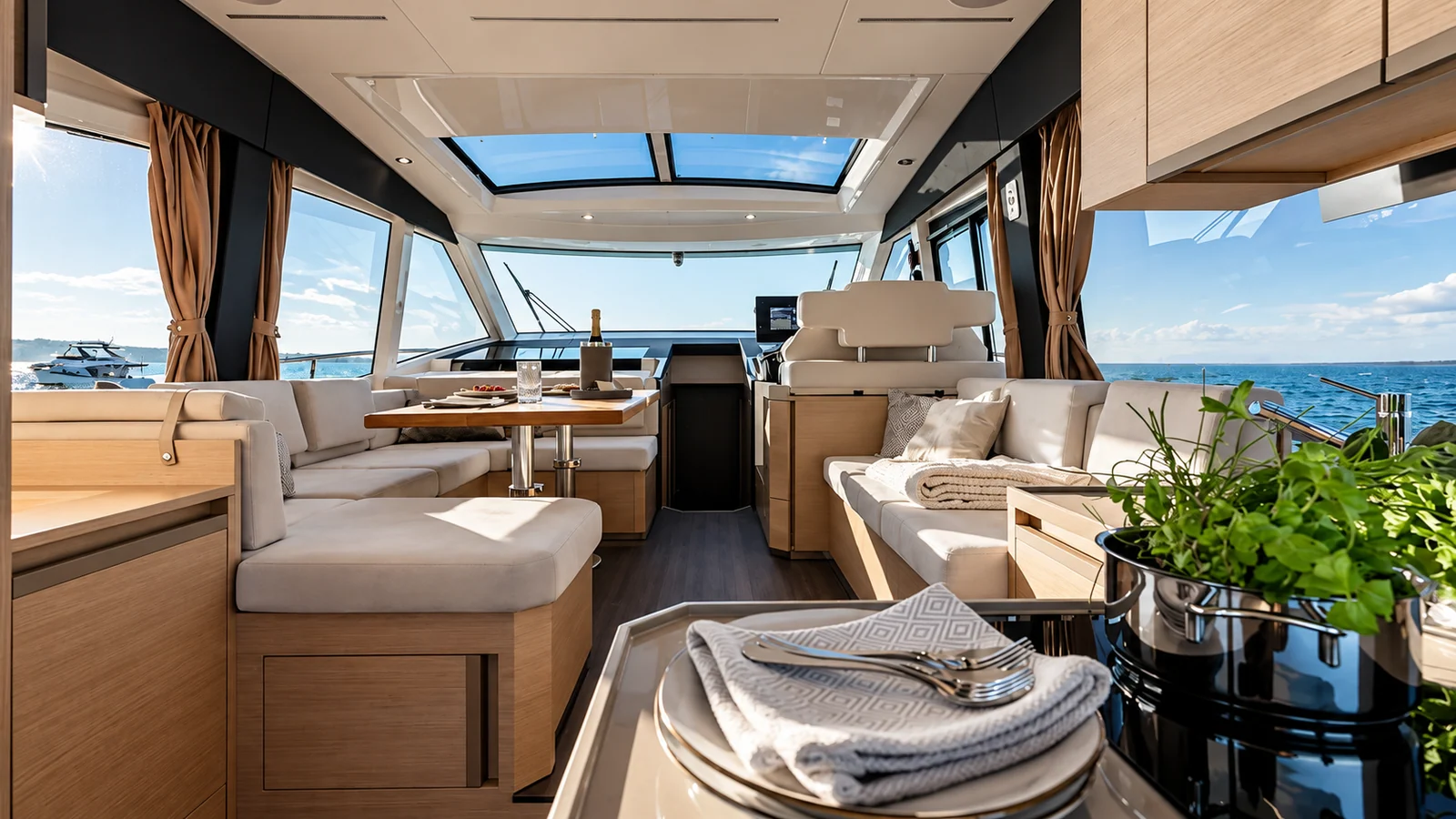
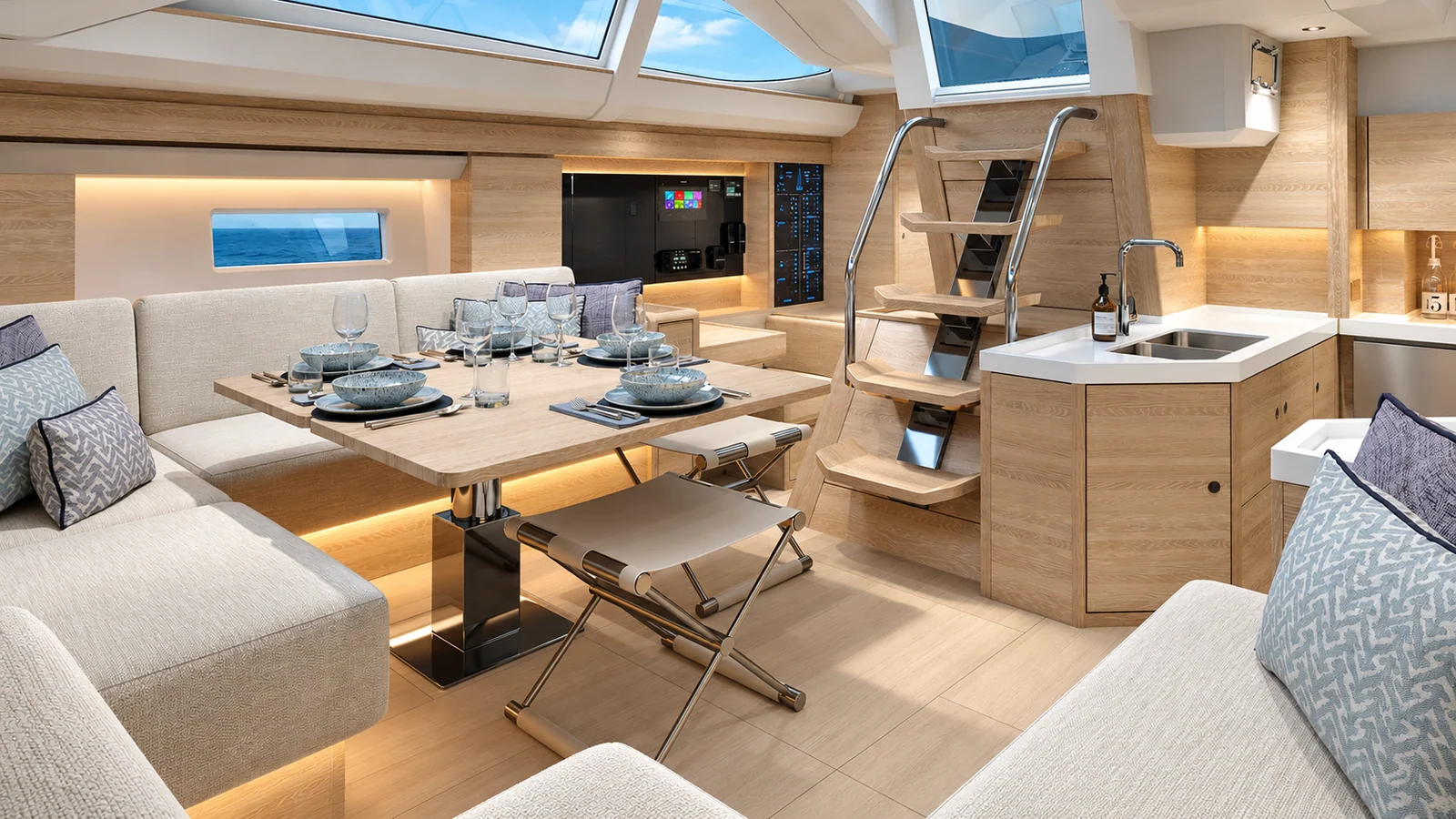
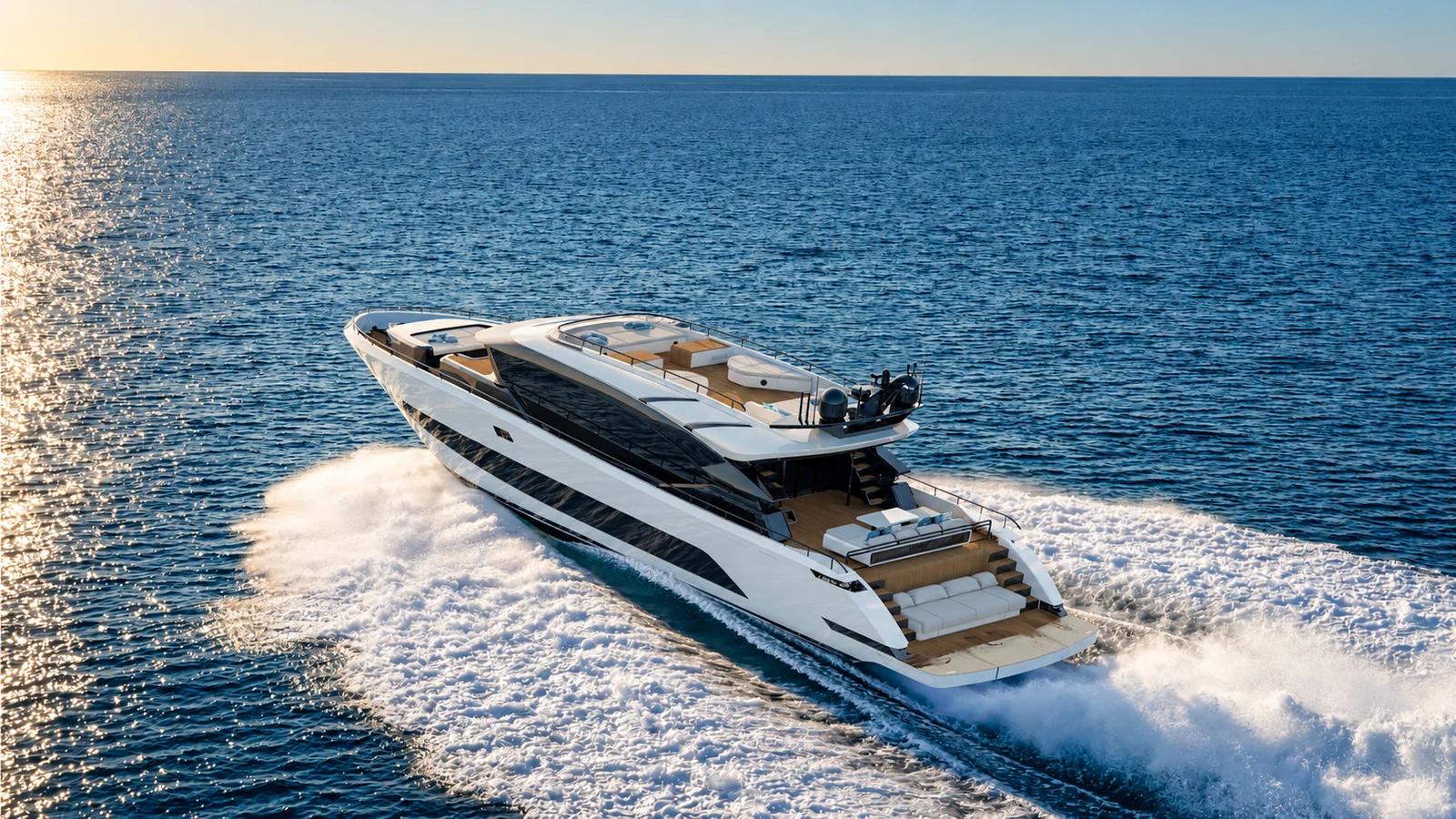
A cockpit table may be the centre after arrival, while protected seating matters on the journey. The relationship between them can affect how naturally the group moves. Follow the routes with the furniture in its normal configuration and consider where personal items belong.
This gives the comparison a practical scale. The owner is choosing a yacht around a day people will actually share. A comfortable transition can contribute repeatedly, because the same small movements occur several times within one outing.
Where a feature changes between passage and settled use, ask how its repeated preparation fits the day. A table, movable seat or item brought from storage may be involved at more than one stop. The people responsible can explain the proposed sequence and what they would undertake. The owner can then assess the feature through the frequency intended, with the actual operational arrangement established by the captain.
Use the markers to identify a relevant field
In the LYRA catalogue, Single-Handed Operation helps focus a search around owner participation, while the Travel marker frames the intended programme. The exact configuration and operating arrangement need confirmation for the selected vessel.
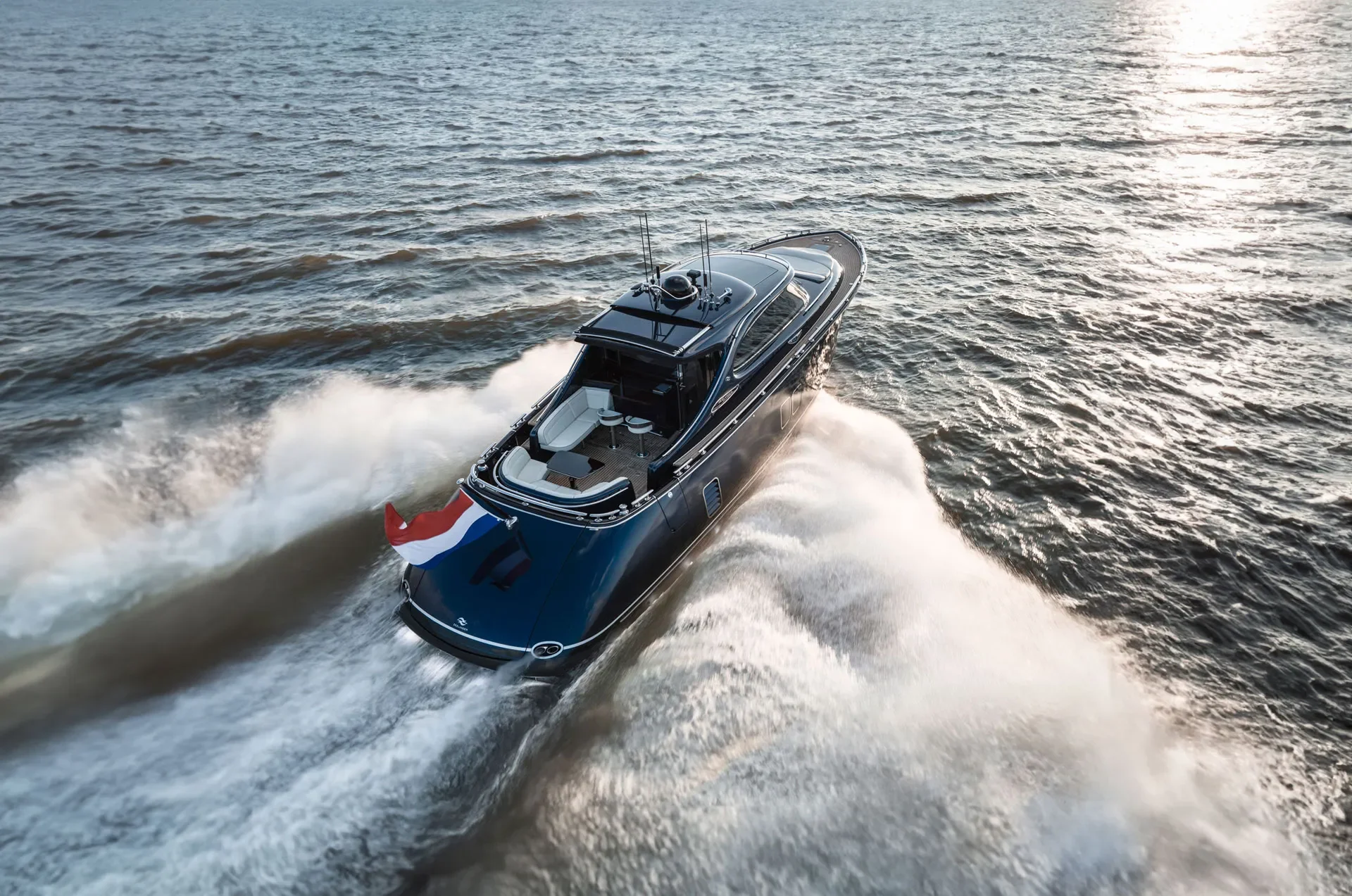
Catalogue example: the Zeelander 5, listed at 14.7 metres, carries both the single-handed and coastal-travel suitability markers. It illustrates a candidate within that catalogue intersection, with the actual repeated-stop programme to be assessed by the captain and relevant professionals.
The markers should lead to questions about the complete visit. The owner can describe the desired sequence, while the professionals consider handling, equipment and the appropriate support. The physical layout then shows how the working and social parts of the day relate.
For serious candidates, arrange suitable demonstrations through the representative and captain. Personal observations can address seating, access and comfort; technical and operating conclusions belong to the qualified people assessing the yacht. Both contribute to the same purchase.

Give the route room to remain enjoyable
The captain should develop an appropriate itinerary with suitable alternatives for the actual circumstances. The owner can identify which experiences matter most and how much time the company wants at each stop. That keeps the programme centred on enjoyment as well as movement.
Preparation can support the rhythm. The agreed meal plan, provisions and guest information should reach the people responsible, so the yacht is ready for its intended use. The owner should know how the work around each stop is organised.
The final return is another transition in the sequence. Guests gather belongings, the captain manages arrival and the yacht passes into its agreed after-use arrangement. A clear finish helps the whole day feel coherent rather than a collection of unrelated events.
Choose the yacht through a complete familiar outing
Compare candidates against the same company and sequence of stops. The owner should be able to picture where people sit, how they settle and which preparation supports the next leg. The professional assessment then establishes the actual vessel's suitability for that programme.
A yacht selected for this rhythm can give a coastal day variety without losing its personal centre. The places change, the company remains familiar and each arrival opens another enjoyable part of the outing. Ownership becomes a way to connect several pleasures within one day on the water.