The main yacht may have a professional team, while the owner enjoys the idea of taking the tender on an appropriate local trip. A short journey ashore or time exploring under the agreed programme can offer a more immediate form of involvement. The two vessels give the owner different experiences, each needing its own clear arrangement.
Tender Garage and Single-Handed Operation are the relevant catalogue considerations. The garage helps identify a carrying facility on the main yacht. Single-handed suitability describes the main-yacht selection context, while the owner's proposed tender role must be assessed for the actual auxiliary boat and use.
Describe what you want to do personally
Begin with the tender journeys that appeal to you. Share the intended destinations, people and previous experience with the captain and qualified instructor. They can assess the appropriate boat, requirements and familiarisation for the actual programme.
Include how you imagine the tender visit ending. You may want time ashore before returning to the main yacht, with the relevant boat, meeting and communication arrangements established by the captain. Those details give independent use a practical setting beyond the driving position. The main yacht continues under its agreed support, while the tender journey has its own operator, passengers and return plan. The owner can then understand how the two experiences remain connected through the day.
The owner should understand the scope of the proposed role. There may be a defined arrangement for where and how the tender is used, with the captain responsible for the wider yacht programme. The relevant professionals should establish that relationship under the requirements applying to the actual operation.
This gives the purchase brief a positive personal purpose. You want a particular kind of involvement and can explore how the equipment and support will accommodate it. The main yacht's service arrangement and the tender experience can then be considered together without assuming they are identical tasks.
Give the tender its own specification
Identify the exact boat, propulsion and equipment being proposed. Its dimensions, passenger arrangement and documented capabilities belong to that vessel. The captain and specialists should assess them against the intended use and operator.
The owner's personal comfort matters within that review. The driving position, seating and appropriate boarding arrangement should be experienced through a suitable demonstration. A familiarisation plan can then follow the actual installation rather than a broad image of a small boat.
In the LYRA catalogue, the main yacht's single-handed marker introduces one selection question. The tender's own specification supplies the information needed for its separate assessment. Keeping those scopes clear helps the owner understand both experiences being purchased.
The same distinction applies to people. A main-yacht crew arrangement does not describe every tender journey. The captain should establish who will operate the tender and what support is appropriate for the actual trip, with the owner aware of the agreed plan.
Connect independent use with the carrying arrangement
A tender still needs to be prepared, launched, recovered and secured through the vessel's approved arrangement. The captain and yard should explain those responsibilities and the actual handling system. The owner's intended driving role can be defined separately from the work around carriage.
Tender Garage in the catalogue helps explore one storage solution. The selected tender must be assessed with the actual garage and equipment, including its stored dimensions and supplied package. Other carrying arrangements can be considered through the same complete use.
Ask the relevant professionals to explain the sequence during a suitable demonstration. The owner should know what happens before they board, who confirms the boat is ready under the agreed process and how the journey connects with the main yacht's programme.
This clarity can make the experience particularly satisfying. The owner has a recognisable role they enjoy, supported by a professional arrangement for the surrounding work. The tender becomes a personal part of ownership rather than an unspecified accessory.
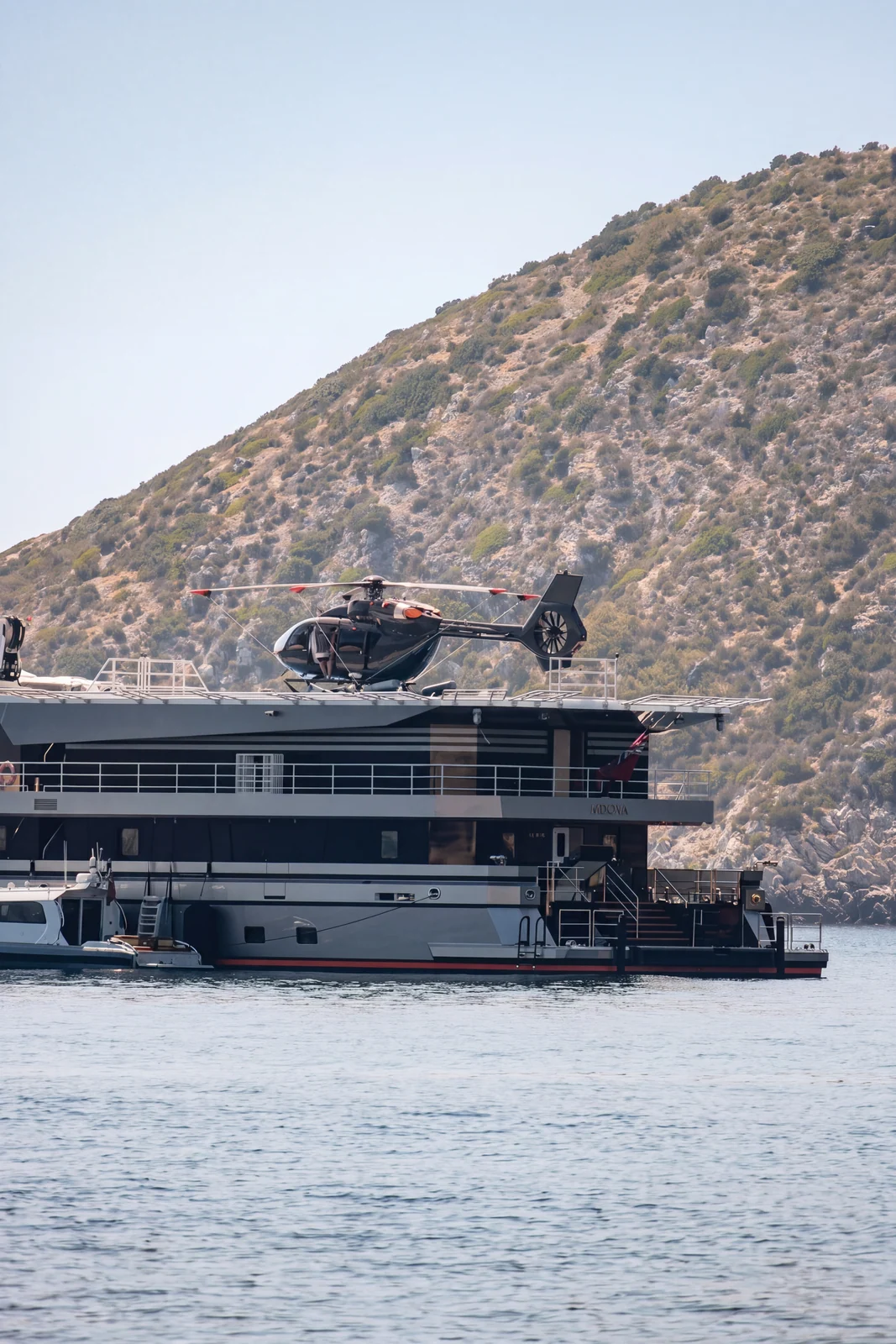
Let familiarisation follow the actual boat
The qualified instructor should assess the owner's needs and establish the appropriate introduction, practice and requirements. The programme should address the installed controls and the intended setting. Relevant documentation and further support should be identifiable at handover.
The owner can contribute previous experience and questions that arise during supervised sessions. The instructor and captain determine what further preparation is needed for the proposed role. Understanding develops around a known vessel and an agreed programme.
Family or friends joining the tender should also receive the relevant information through the captain's arrangements. Their comfort and the appropriate operation of the boat belong within the same professional plan. The owner can enjoy sharing the journey with a clear understanding of responsibilities.
Choose two experiences that fit together
Before finalising the purchase, connect the main yacht, tender and support in one proposal. The owner should know which boat is supplied, how it is carried and what familiarisation and responsibilities form part of the arrangement.
A yacht can offer both professionally supported travel and a more personal tender experience where the actual assessment permits it. Choosing those roles deliberately gives the owner another way to enjoy the coast, with the right equipment and preparation behind the pleasure of taking part.