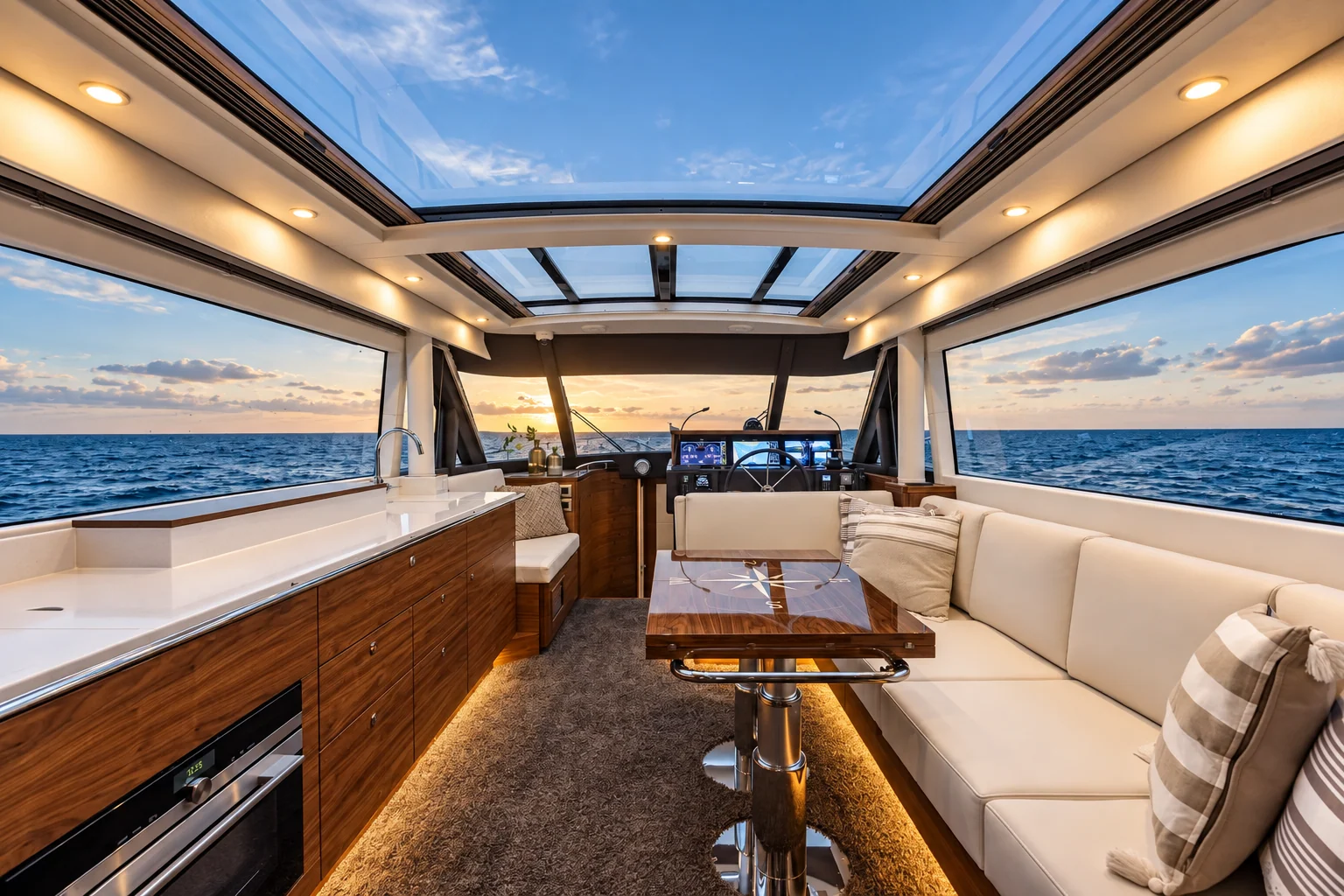
A coastal journey can hold two equally appealing scenes. In one, the yacht is settled by the water and lunch becomes part of an unhurried afternoon. In the other, you step ashore to walk through a town, find a table and enjoy the evening's change of setting. Owning a yacht can connect those pleasures within one familiar way of travelling.
The Travel marker helps focus the search on that journey. A chosen length range organises the candidates around the company and intended stops, with the actual route and shore access giving the comparison its detail.
Give the destinations a personal reason
Describe what you enjoy doing ashore. A market in the morning, an evening restaurant or a walk along a waterfront can each shape the rhythm of a visit. The yacht serves as the place you leave and return to, carrying familiar rooms between those destinations.
Then describe the time you want to spend afloat. A bay may be the setting for a swim under appropriate arrangements, a quiet meal or an afternoon with friends. The balance between these experiences helps explain what the yacht's living spaces should provide.
Share likely destinations with the captain and adviser early. They can assess suitable access, berths and operating arrangements for the actual vessel and trip. The owner's preferences give the itinerary its character, while professional planning connects that character with appropriate places.
Let size serve the complete route
In the LYRA catalogue, a chosen length range gives the search a practical frame. Assess that range against the whole programme rather than one especially attractive stop. The yacht should support both the company aboard and the destination arrangements the captain confirms.
The intended marinas and landing points need their own assessment. The vessel's full dimensions and access configuration matter to those arrangements, with suitability and availability established for the actual visit. The owner can then understand how each candidate would connect with the shore.
Within a similar length, layouts can allocate space differently. A generous cockpit may suit the afternoons in bays, while a comfortable cabin and bathroom can make an evening ashore feel like part of a settled stay. Compare those spaces through the same company and journey.
The useful result is a yacht whose size has a clear purpose. You can explain what it gives the people aboard and how it fits the professionally assessed programme. That is a stronger basis for comparison than a dimension considered on its own.
Make the transition ashore enjoyable
An evening in town begins aboard. People change clothes, collect a jacket or bag and move towards the appropriate access point. The cabin storage, bathroom and boarding route all contribute to that small sequence.
During viewings, follow it with the regular guests in mind. A couple may have different preferences from a family or two visiting friends. The room arrangement should make it easy for the intended company to get ready and return comfortably afterwards.
Where a tender transfer is part of the confirmed plan, the captain should assess the actual boat and arrangement for the destination. Where the main yacht lies alongside, the relevant boarding setup becomes prominent. The owner should understand which experience each stop will involve.
This attention makes the yacht feel like a personal base throughout the journey. The place ashore changes, while the cabin, belongings and preferred seat remain familiar. That continuity can become one of the pleasures of travelling this way.
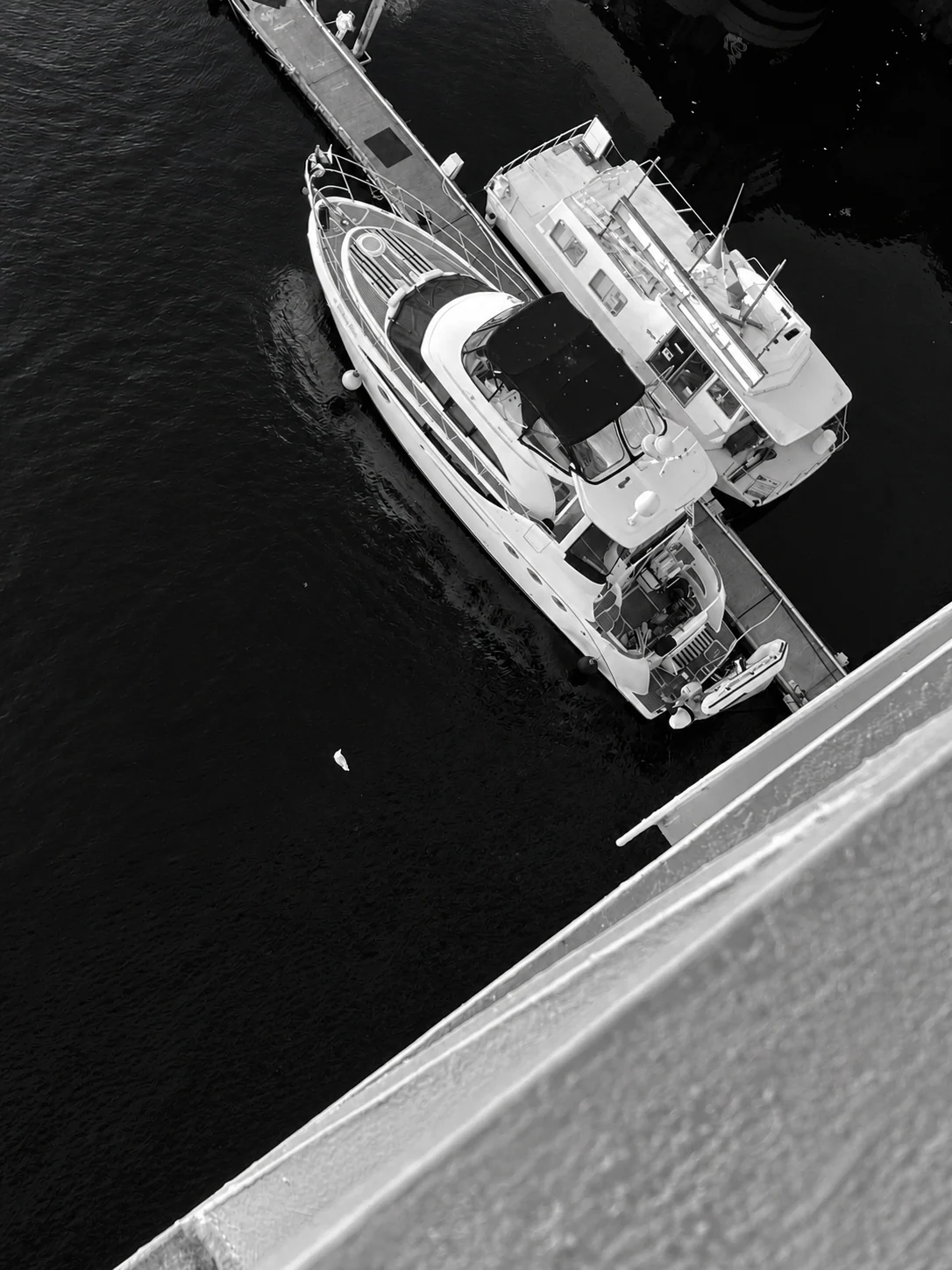
Keep the day aboard worth staying for
The yacht should be appealing when the company decides to spend more time on it. Look at the table, shade and protected seating in the same detail as the accommodation. A comfortable shared area can make a bay afternoon as memorable as the evening in town.
Food preparation should reflect the balance you prefer. Owners who enjoy meals ashore may still value a pleasant breakfast routine aboard. Others will want to cook with ingredients found during the trip. The galley and storage can be assessed through that actual use.
The town can continue to be part of the day after you return aboard. Ingredients bought ashore may become lunch at the yacht’s table, and conversation can carry on around the places you visited. Describe that return during selection: where purchases go, how the meal would be prepared and where everyone settles. It connects the appeal of the town with the spaces you will enjoy in the next bay, giving both scenes a place in one holiday.
The captain develops the appropriate programme with alternatives for the trip's circumstances. The owner can preserve the experience they value by describing its ingredients clearly: time near the water, enjoyable towns and a familiar place to return to.
A yacht chosen for this combination gives the coast a generous variety. One day offers a quiet view from the cockpit; another adds a favourite street or restaurant. The purchase brings those scenes together through the pleasure of travelling with your own place aboard.