Two yachts both mention Fishing on their LYRA pages. The owner plans to take friends out early, fish for part of the morning and return to a comfortable lunch aboard. The comparison is not which page carries the more enthusiastic description. It is how each yacht changes from a working boat into a place where the group wants to stay for the afternoon.
Use the same trip for both candidates: the same people, gear, destination and intended time at anchor. Fishing becomes a revealing comparison because its equipment and movement are visible. Access to the working area, space to move without crowding, storage and cleaning all have consequences for guests who are not fishing. The exact layout matters more than the general activity label.
Look at the working area while it is working
Where will the fishermen stand, and where will people pass behind them? Are rods, tackle and personal items accessible without taking over a seating area? Is there a clear place for wet or used gear? These questions should be answered on the actual yacht, with the intended equipment dimensions. An empty cockpit can appear spacious until the group and its gear arrive.
The platform and side decks also need to be understood as routes, not decorative space. The way someone boards from a tender, moves from cockpit to galley or reaches a bathroom can intersect with the working area. A design may offer a dedicated zone; another may use a flexible aft deck that changes character after fishing ends. Each solution can be excellent when the owner knows how it operates.
Qualified operators should confirm fishing procedures, local rules and safe use in the intended waters. The Fishing description on a LYRA model page is a discovery prompt, not a certification of a specific installation or method.
Compare the changeover into lunch
After the morning activity, the group wants shade, seating and a clean social space. Ask what must be moved, rinsed or stowed before the deck feels welcoming again. Is the working area still part of the gathering, or does it remain a separate functional zone? This changeover is where a yacht that supports fishing occasionally differs from one whose daily flow is genuinely shaped around it.
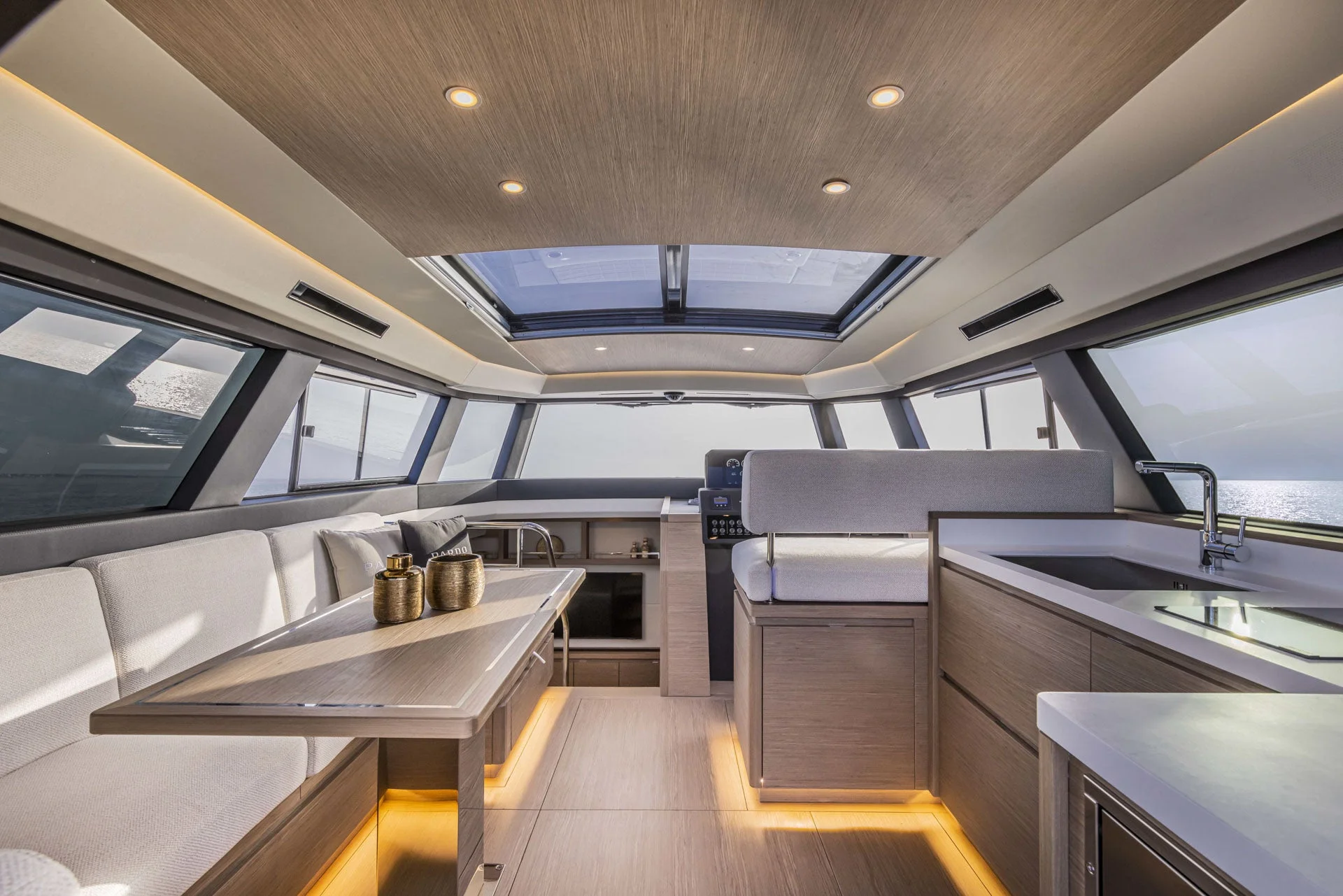
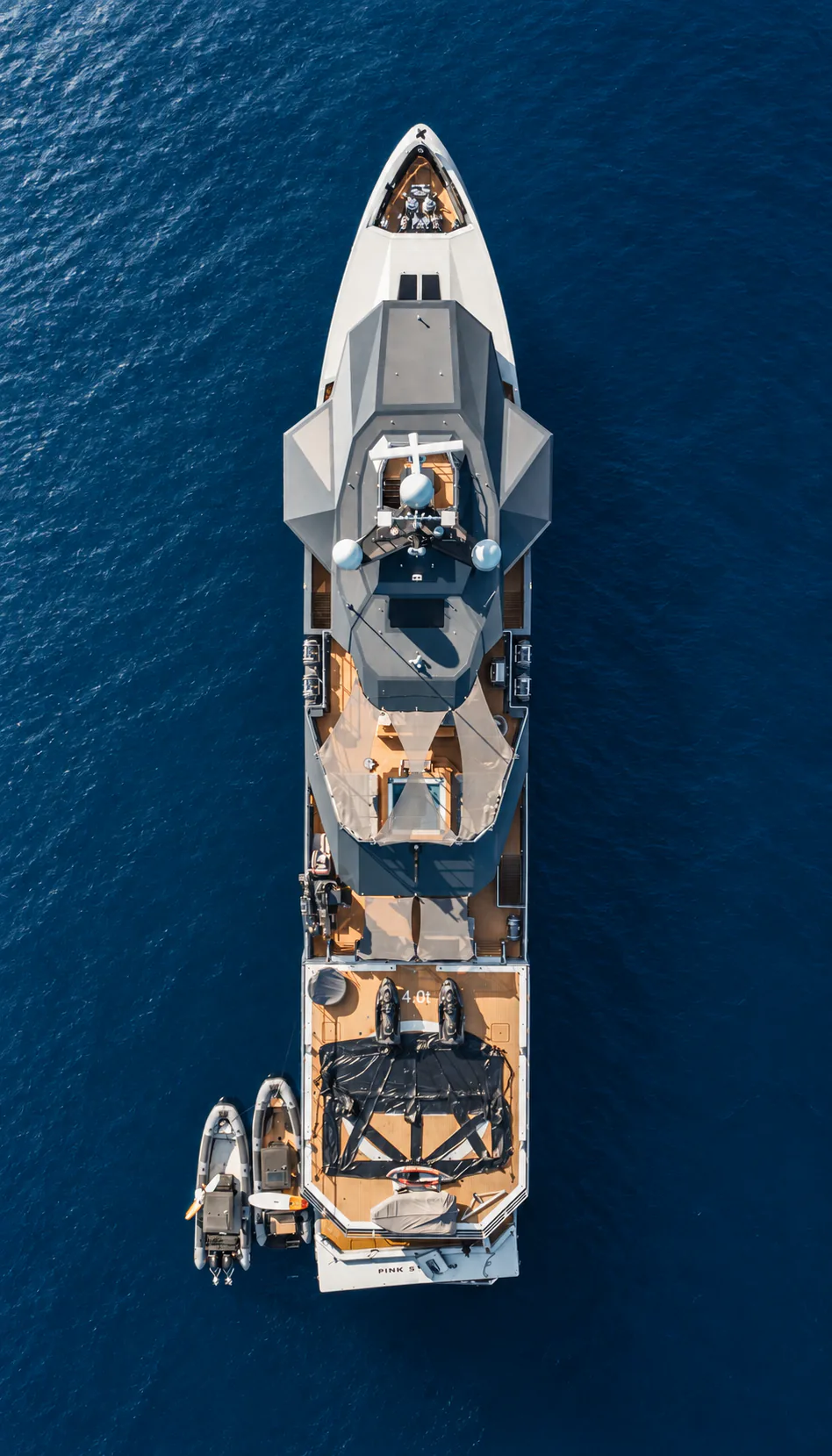
The Galeon 500 Fly and Cayman Yachts S750 are examples of LYRA pages mentioning Fishing. They illustrate different kinds of social deck surrounding an activity label. They are examples only and are not a direct size-matched shortlist. The owner should compare exact yachts in the chosen segment, then verify gear and working-space arrangements rather than assume them from these examples.
A useful viewing can follow the changeover physically. Place imagined gear where it would be used, walk the guest route, identify storage and then sit down at the lunch table. The owner can quickly see whether the fishing morning enriches the shared afternoon or repeatedly interrupts it. Repeat the same exercise on every candidate.
Choose the balance that invites repeated use
Some buyers will accept a more dedicated working deck because fishing is their favourite part of every voyage. Others want enough practical capability for occasional trips while keeping the yacht primarily social. The comparison should make that difference explicit. A larger platform alone does not settle it; the relationship among working space, storage and companionship does.
LYRA's selection approach gives the owner's activities a place in the purchase decision. For this owner, a strong activity-focused yacht makes the whole trip coherent: gear comes aboard easily, the morning works, lunch is relaxed and the return leaves everyone eager to repeat it. A task-specific viewing and technical checks can then confirm whether the exact boat delivers that promise.