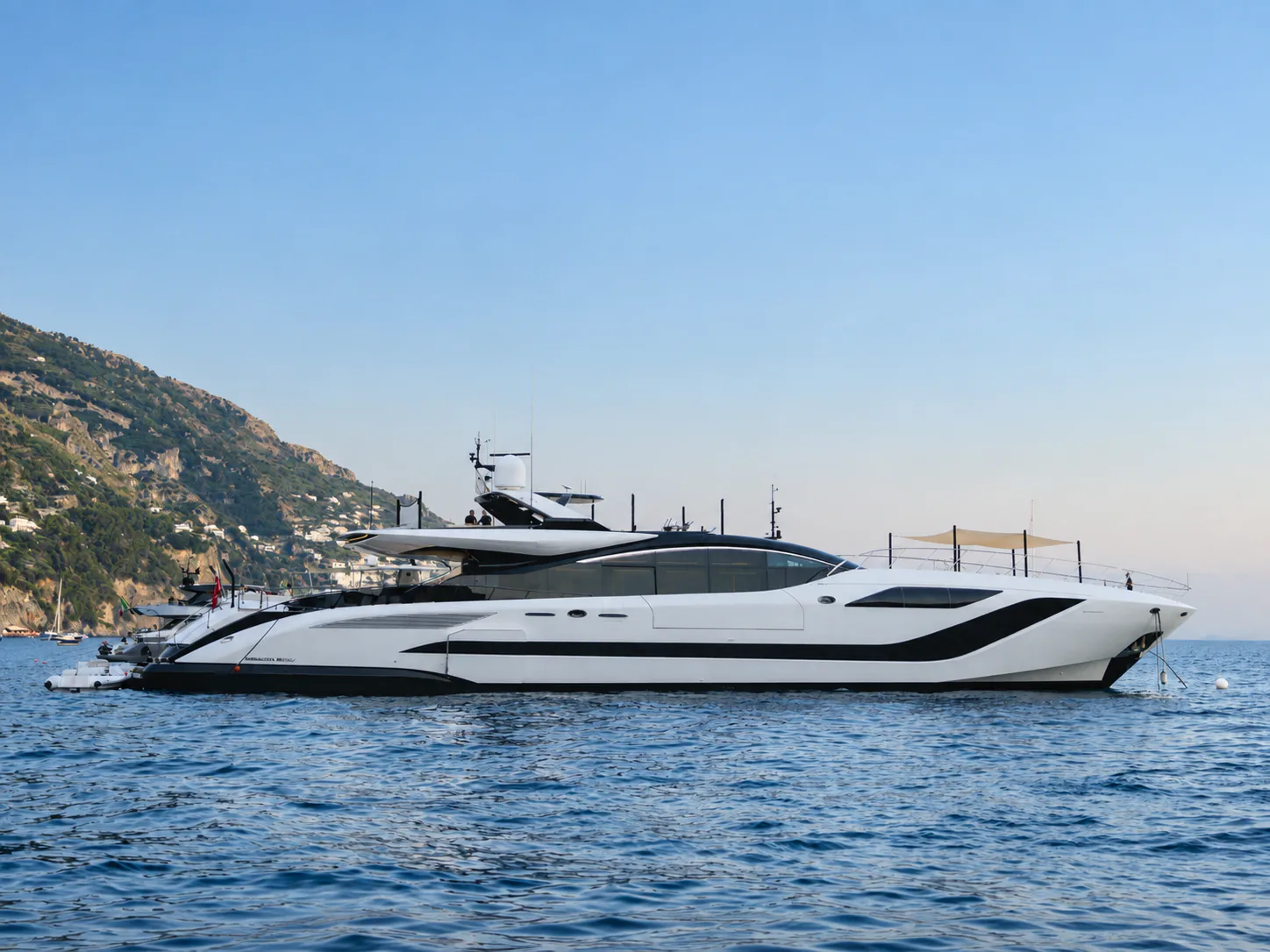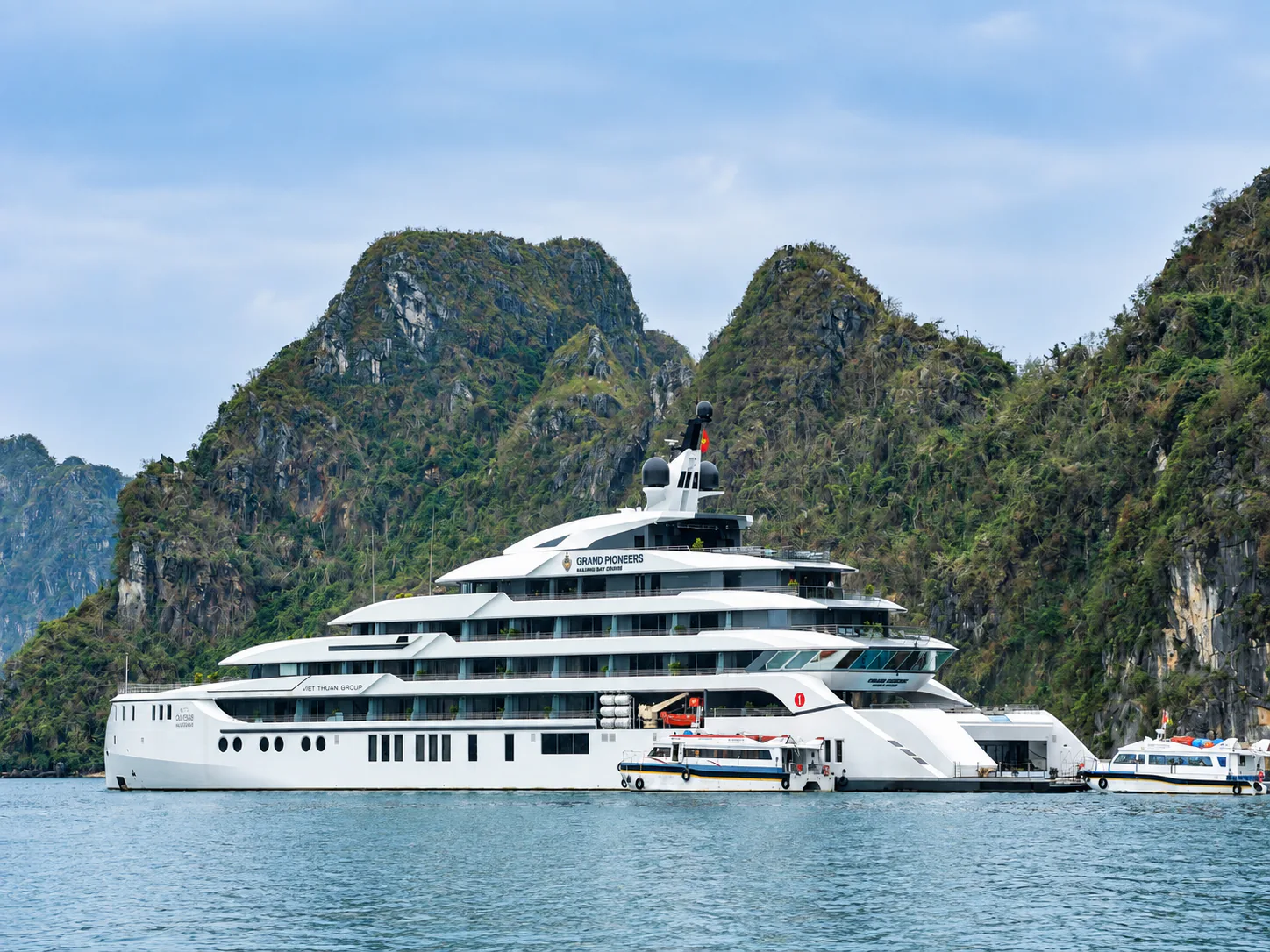
An owner can fall in love with a yacht's silhouette in seconds. Nobody falls in love with a marina invoice. Yet both belong to the same decision. The silhouette is part of why the yacht is worth wanting; the continuing cost determines whether living with it will feel as good as the first encounter promised.
I do not believe the answer is to make a luxury purchase emotionally neutral. A yacht is not a machine bought solely for efficiency. Its design, atmosphere and the anticipation of a journey matter enormously. The useful question is whether the operating life that accompanies those qualities is one the owner is happy to choose.
What exactly created the attraction?
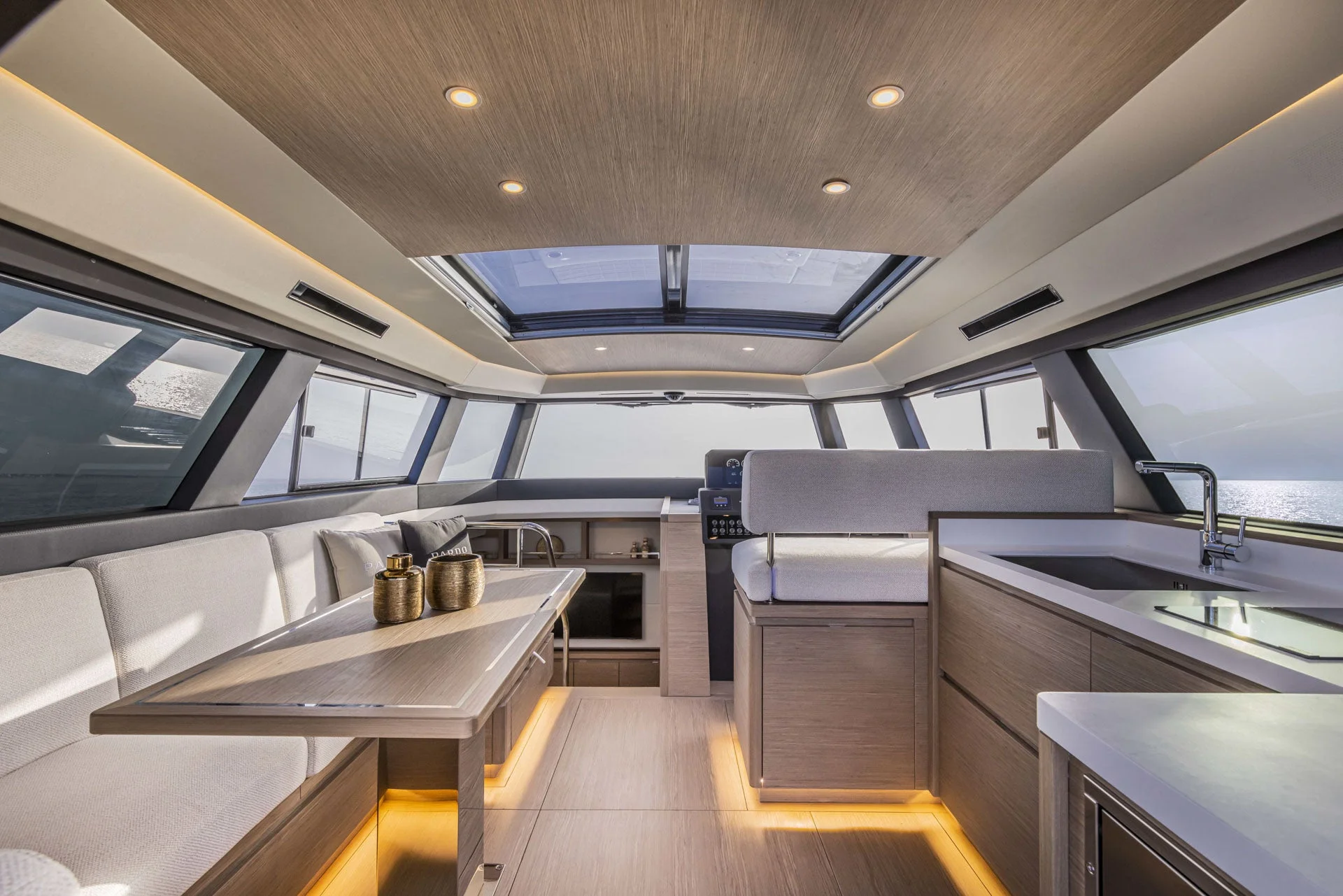
A client may say, "I love this yacht," while responding chiefly to the openness of an aft deck, the way light enters a saloon or the feeling of being close to the sea. Those are valuable clues. They can be preserved even if the first yacht considered is not the best answer.
The conversation becomes more precise when the attraction is named. Is the owner drawn to long-distance capability, or to the romance of the image it creates? Would that capability be used? Does the desired privacy come from the layout, the crew arrangement or the places the yacht can reach? Once the feeling has a source, it can be compared intelligently with alternatives.
I would also ask the owner to describe a moment in which the yacht would earn its place in their life. That moment might be an early departure without a fixed itinerary, a month of family travel or the pleasure of arriving at a beautifully prepared vessel after a long working week. The answer gives the cost discussion its proper scale. We are not pricing an abstract collection of specifications; we are testing what it takes to make that particular moment dependable.
Ownership cost is a description of choices
The financial discussion should be just as specific. A larger yacht may bring more space and a different level of service, along with different berthing, crew, maintenance and operating demands. A faster yacht may change a day's itinerary while also changing consumption. A highly individual specification can be a delight, but it asks the owner to make and manage more decisions.
These are not reasons to avoid the yacht. They are part of its character. The owner should be able to see the connection between a quality they value and the resources needed to sustain it. The problem begins when an appealing feature is presented as though it has no continuing consequence.
The budget conversation should therefore include choices the buyer controls. Location, level of professional support, the frequency and style of use and the actual specification can all change the ownership picture. An estimate is useful when its assumptions are visible and can be adjusted to the owner's intended life. A single impressive number without a scenario may create either false reassurance or needless alarm.
LYRA presents purchase and ownership cost as part of its selection process. I think that is the right place for the discussion: next to the intended life, not after the emotional decision has already hardened. A cost model is not a verdict on whether a pleasure is justified. It is a way to make the pleasure an informed choice.
The question is not merely affordability
People sometimes reduce this conversation to whether the buyer can afford a yacht. That misses the more personal issue. Two financially comfortable owners may feel differently about permanent crew, a distant berth or the annual organisation attached to a particular size. One sees these as welcome parts of the experience; the other experiences them as friction.
I would therefore ask whether the yacht's cost and complexity buy something the owner will repeatedly enjoy. If the answer is yes, the emotional choice becomes stronger because its consequences are understood. If the answer is no, the same emotional quality may be found in a different operating model.
This can be an unusually revealing conversation between an owner and an adviser. A client may be entirely comfortable with the annual cost but dislike the idea of managing a large permanent team. Another may value that team because it turns the yacht into a place they can enter without preparation. The financial capacity of the two owners could be identical; the right yachts would still differ. The adviser has to hear the distinction instead of treating every objection as a matter of price.
The best yacht decisions leave room for desire and honesty at once. The owner can say, "This is what I love about it," and also, "This is what it asks of me." When those two statements belong in the same conversation, the purchase has a far better chance of remaining satisfying after the first season.
The goal is not to defend a purchase by showing that every hour aboard was inexpensive. Nor is it to dismiss a dream because the operating line is substantial. It is to make sure the continuing commitments support the pleasure that justified them. When they do, cost transparency is not an interruption to the romance of yachting. It is part of keeping that romance alive.