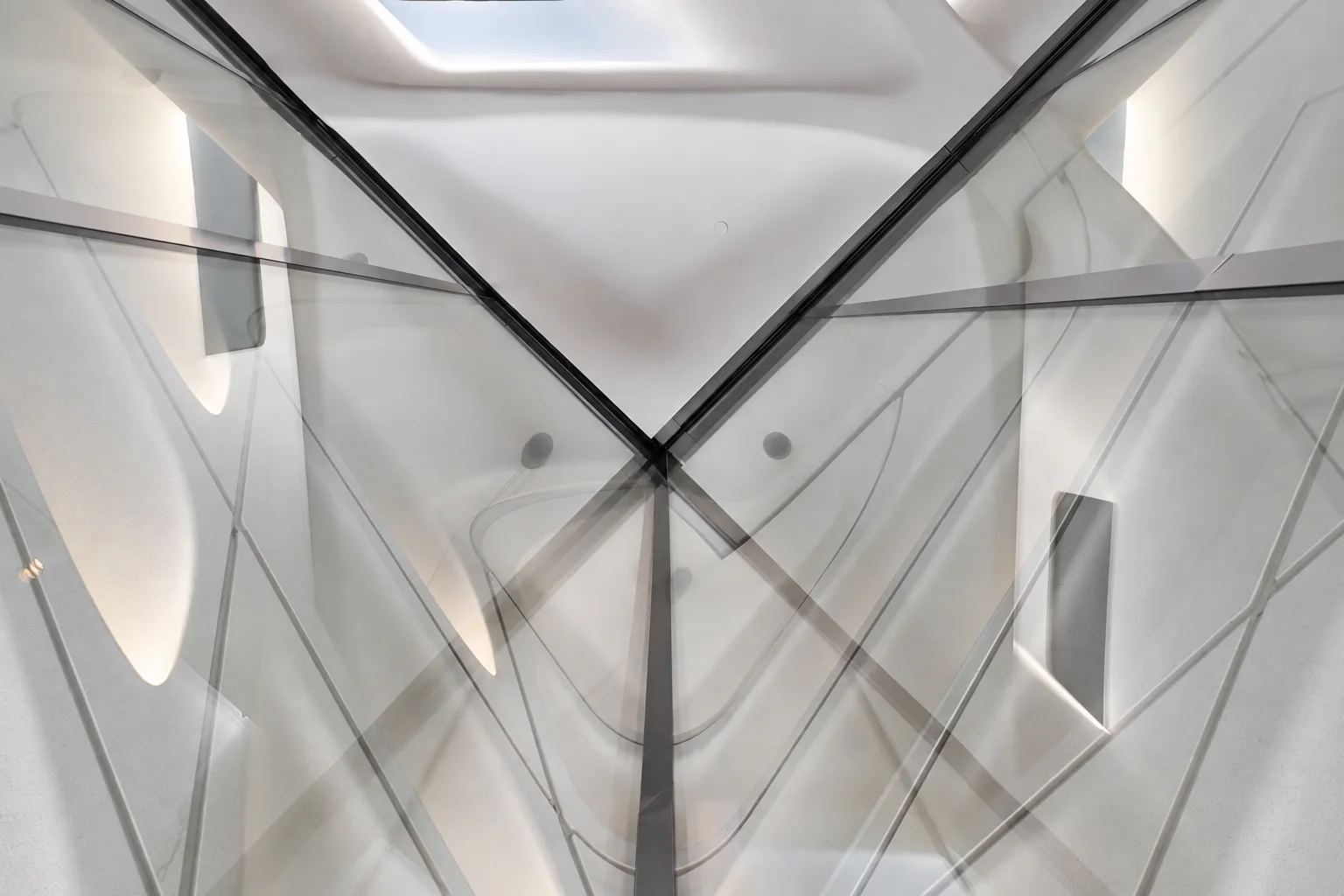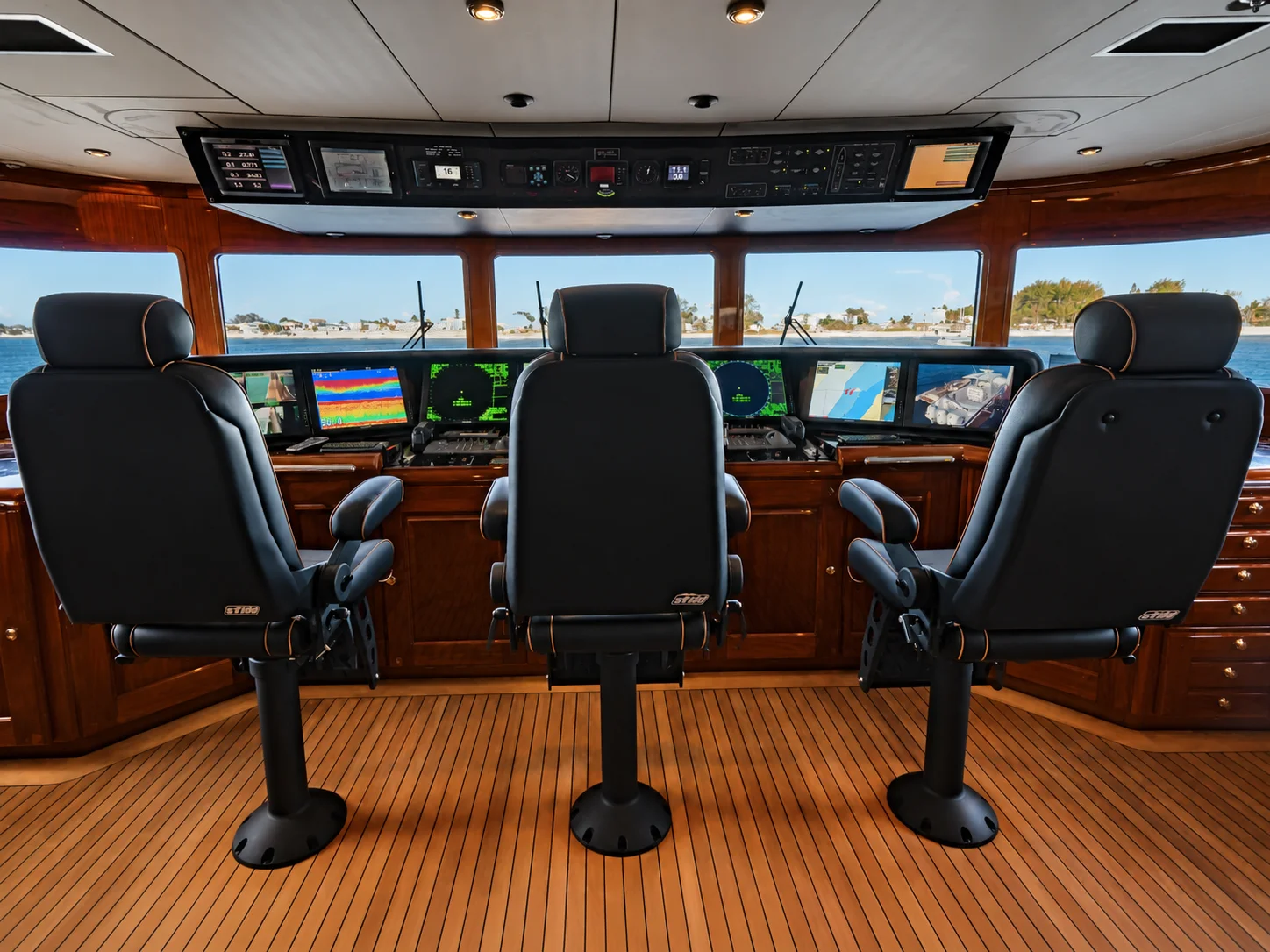
Some yachts feel instantly familiar even when their names are new. The relationship between open decks and interior rooms, the treatment of light, the line of a window or the way a helm is integrated into the social space can suggest a design tradition. In the LYRA catalogue, “Design School” gives that impression a broad label. “Country of Build” answers a different question: where the yacht is made. Reading the two together can deepen a search, provided neither is mistaken for a verdict on the yacht itself.
These fields are attractive because they offer a story. They also need care. A designer may work internationally; a yard may employ specialists from several countries; components can come from many places. The finished yacht is the product of named people, a particular design brief and a specific build process. A national label cannot contain all of that.
A language of design
The design-school field is best understood as a way to explore visual and functional tendencies. It may help an owner notice that they are repeatedly drawn to certain proportions, materials or arrangements. That pattern can be useful even when the owner would struggle to name it at first glance.
But an “Italian,” “Scandinavian” or other design-school label is not a fixed set of features. Two yachts in the same school may differ radically in layout and intended use. The owner can look at the actual plan: where guests spend the day, how the exterior opens to the water, how private rooms connect to shared ones, and what kind of travel the design seems to invite. The label starts the exploration; the yacht answers the question.
This is especially important when a style preference is strong. An owner may love the expressive deck of one yacht yet want a quieter interior life, or admire a restrained exterior while needing more open social space. Those are productive design conversations. A broad school is a way to find candidates worth seeing, not a demand to accept every convention associated with it.
A place of construction
Country of build locates the yard's production, but it does not identify every designer, supplier or technical standard. Its practical relevance can be quite concrete: the owner may wish to visit the yard, understand the build programme, meet the people responsible for the project or plan service relationships. Each of those questions requires the name and record of the individual shipyard.
The country filter in the catalogue gives a buyer a geographic way into the represented models. The model pages then show design-school and build-country fields separately. Their distinction should survive in the buyer's notes. A country of origin selected in a search is not a substitute for confirming the build site and exact specification of a yacht being purchased.
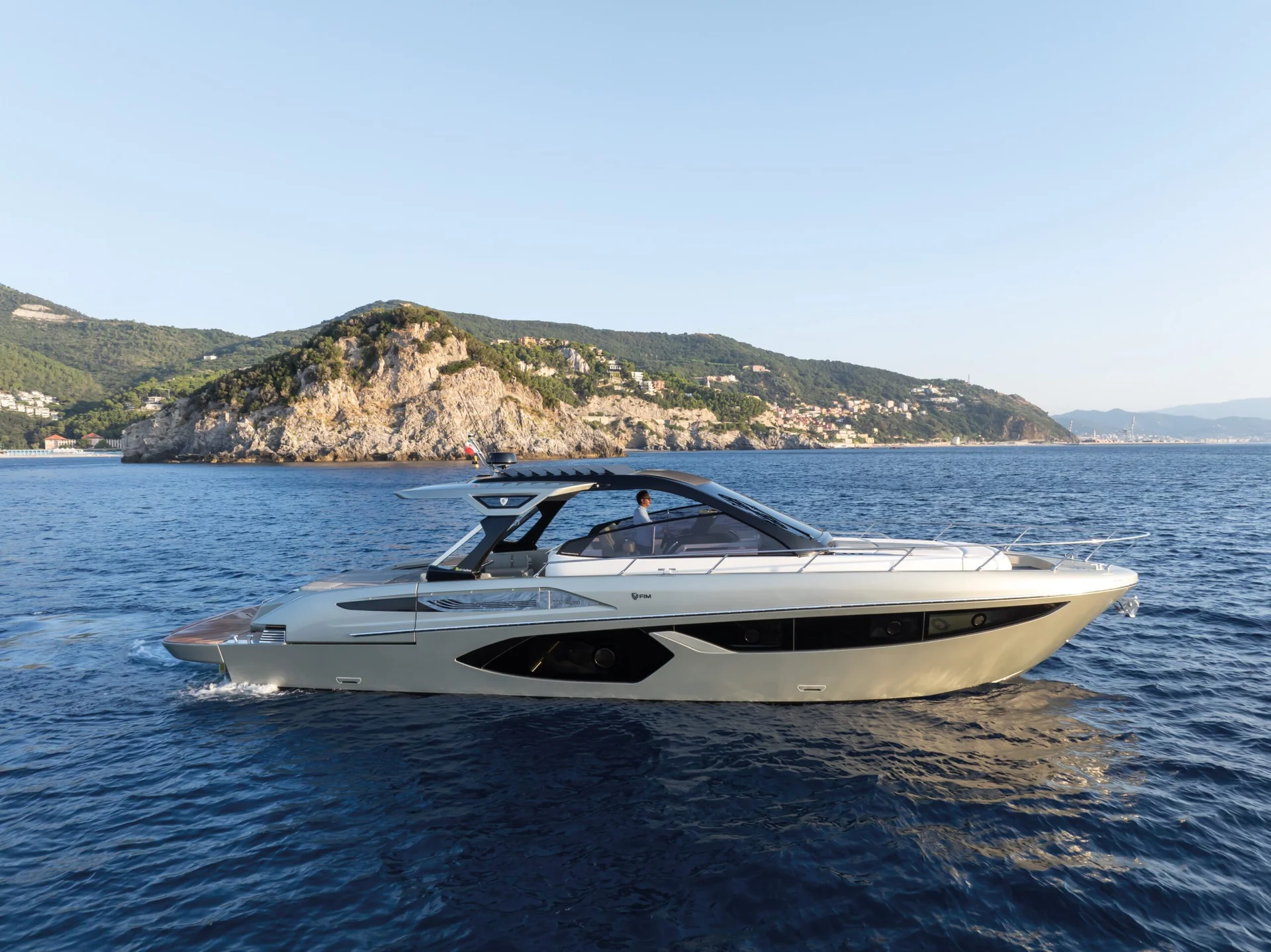
Examples illustrate how LYRA records these ideas. FIM 500 Regina is shown with Italian design school and Italy as country of build; Hallberg-Rassy 69 with Scandinavian design school and Sweden as country of build; Sirena Marine 60 with Eastern design school and Turkey as country of build. They are examples of catalogue descriptions, not three yachts proposed for direct comparison. Their different categories and sizes make that distinction essential.
Follow the people and the object
To understand a yacht's creative origins, find the naval architect, exterior and interior designers, the shipyard, and the specific model or build under discussion. Read how those people describe the brief, then walk through the arrangement and examine the yacht itself. The question is whether their choices support the life the owner expects aboard.
Build quality, support and delivery are separate matters to verify through yard records, current specifications, references and direct inspection. A country label can point the owner towards that work but cannot complete it. Nor should the existence of a famous design school obscure a less familiar yard producing a yacht that fits the brief beautifully.
The result is a more enjoyable way to explore the market. Instead of collecting national stereotypes, the owner begins to recognise design decisions and the people behind them. LYRA's selection approach can then connect those discoveries to the owner's intended life, giving the style of the yacht a reason to matter.