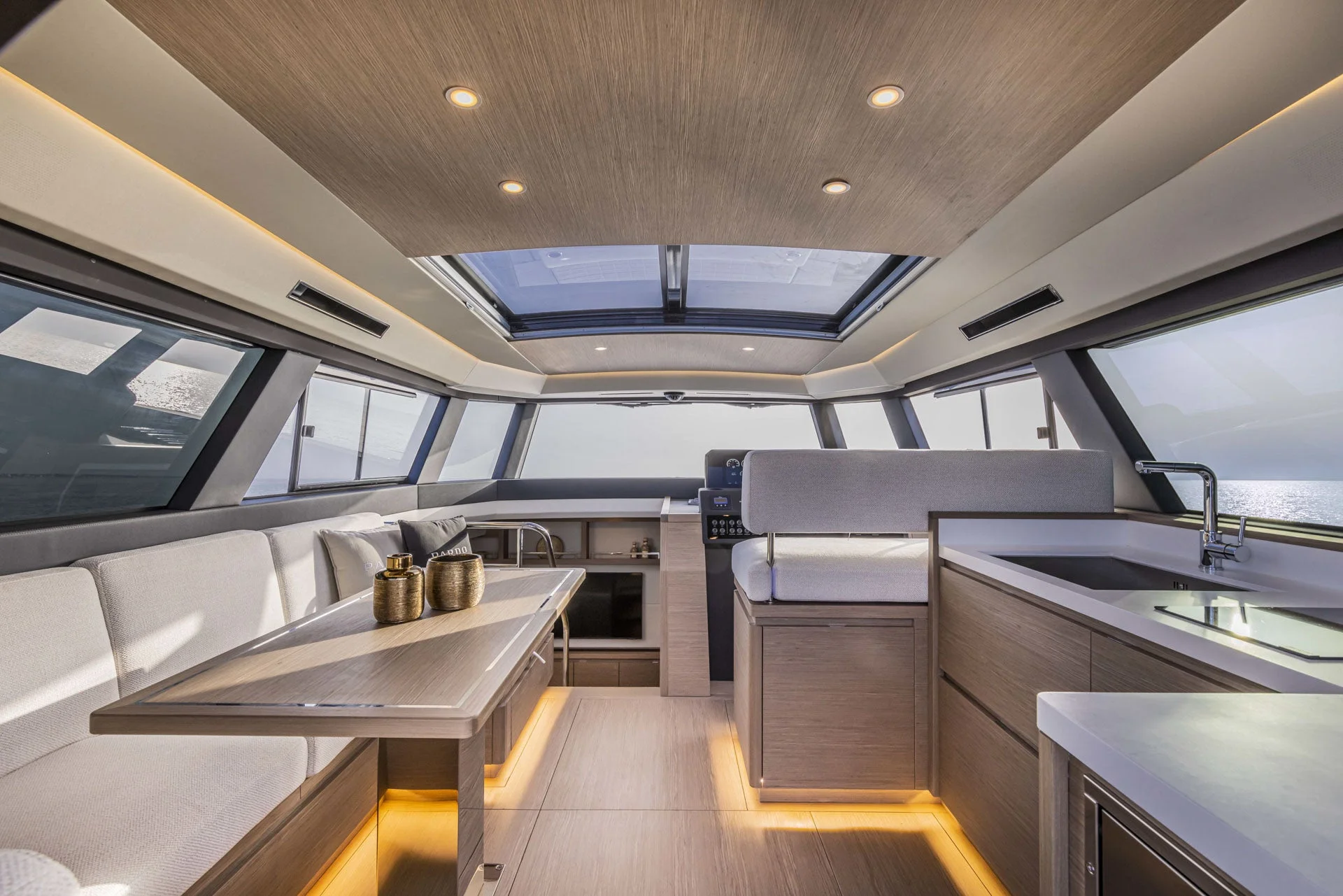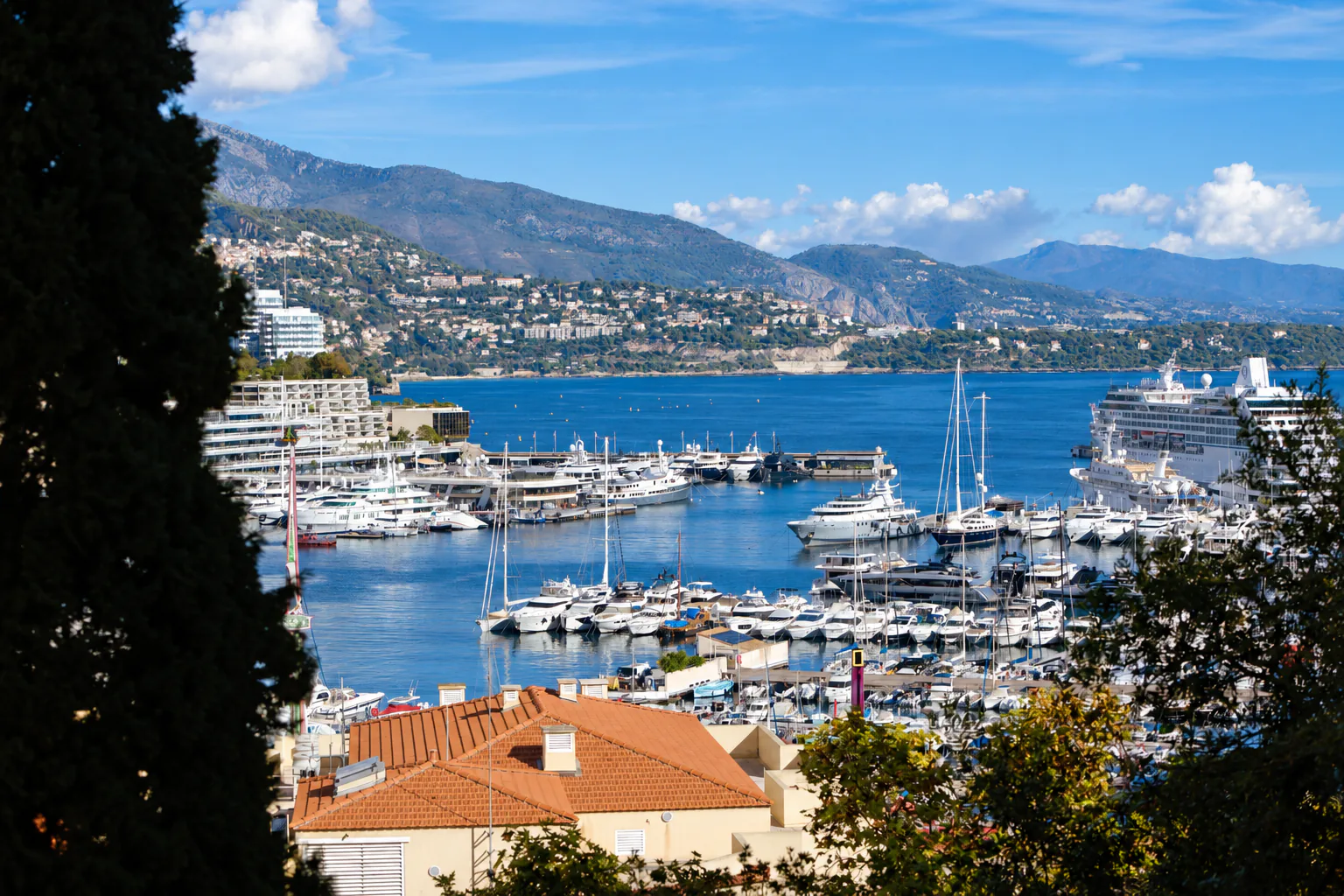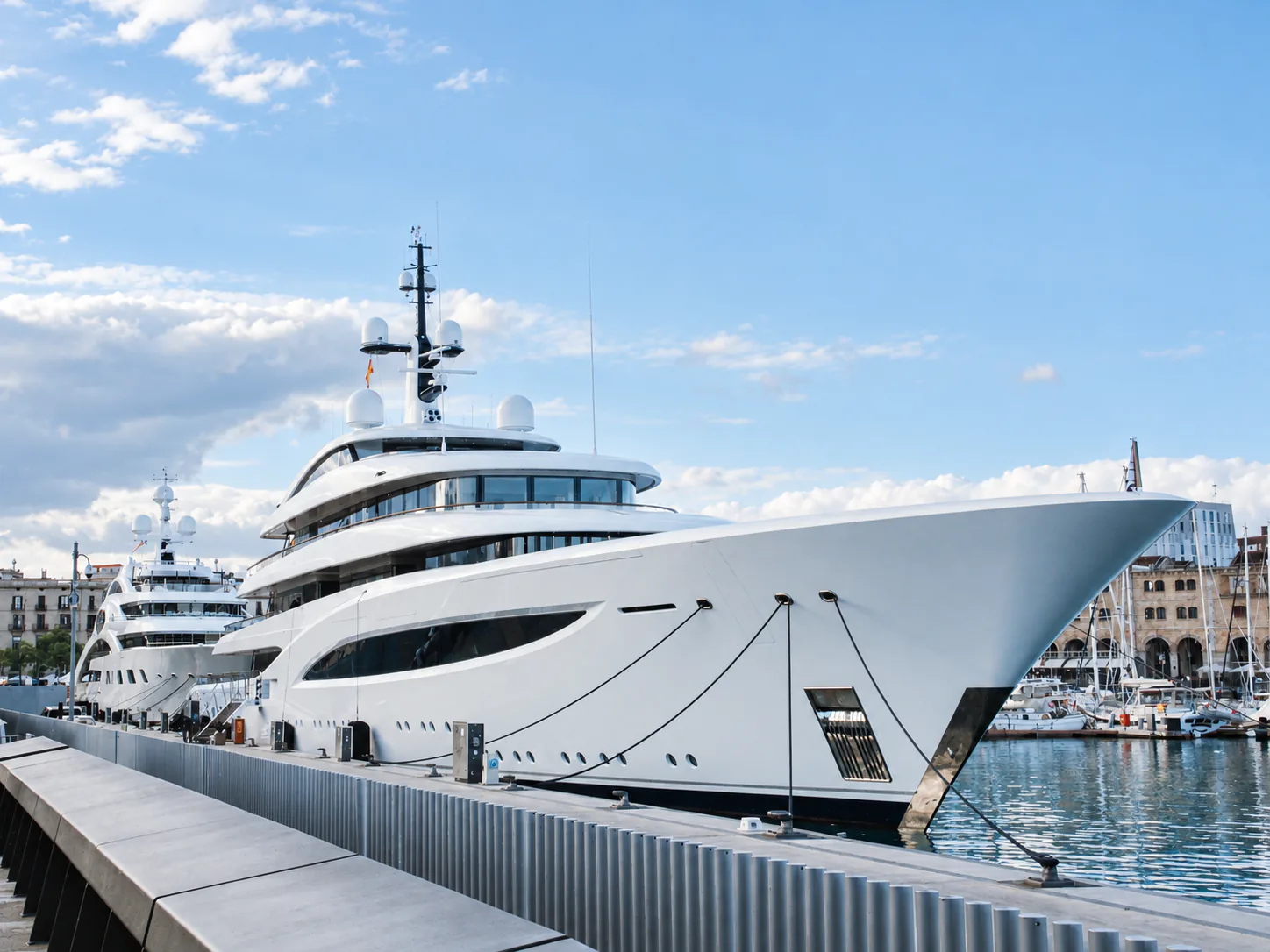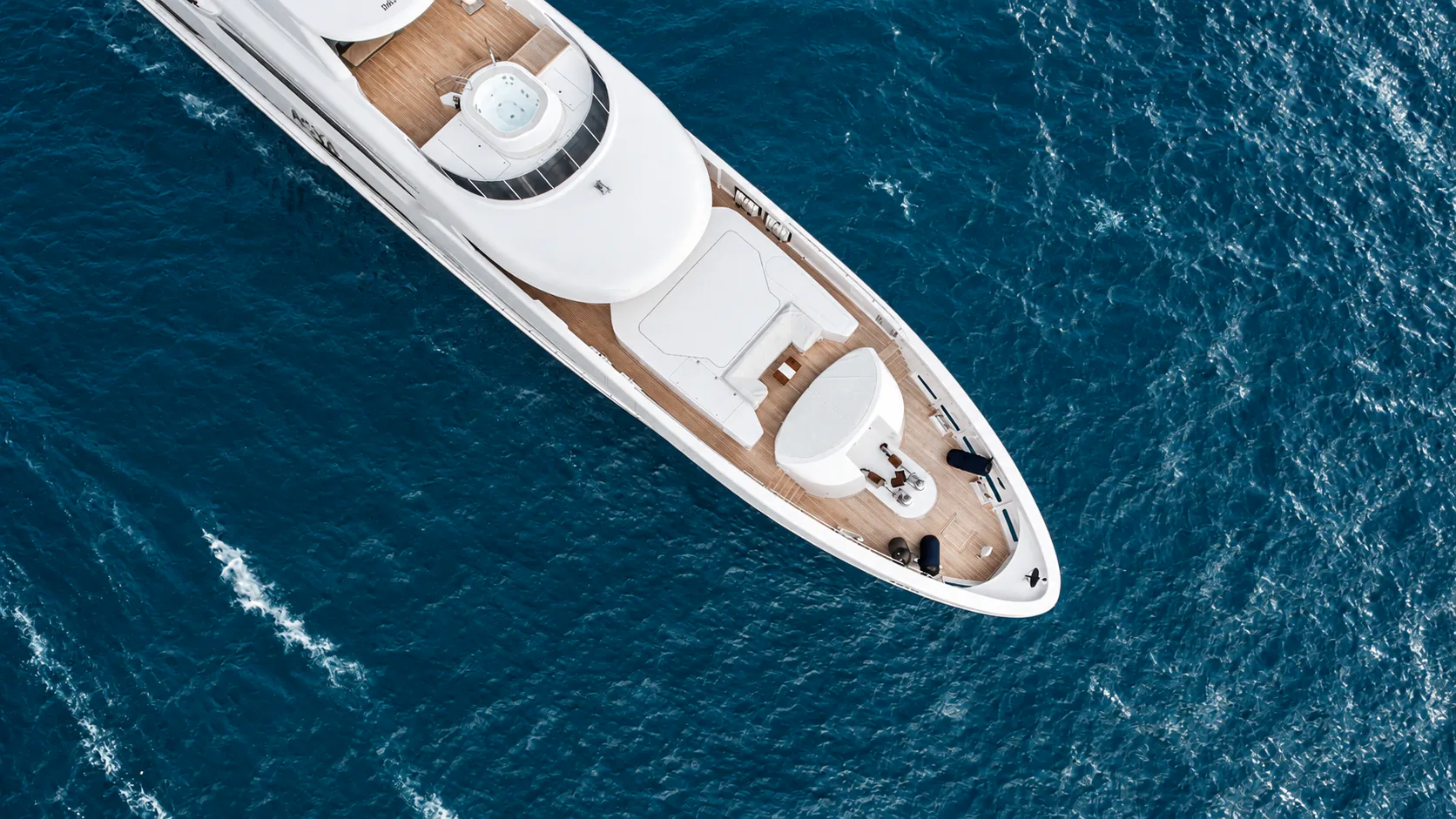
There is a moment on some yachts when a person stops looking at features and begins imagining their own life aboard. The light reaches the cockpit in a particular way. The helm feels close to the people they brought with them. The route from the saloon to the water seems to make sense without explanation. I pay attention to that moment. A yacht is a luxury purchase; emotion is part of its purpose, not a distraction from the decision.
What professional advice can do is give that response more depth. An owner who says “I love it” has told me something important, but perhaps not yet what they love. Naming the quality behind the feeling can make the search more personal and make the final purchase more satisfying.
Ask what the feeling promises
Take an open motor yacht that makes a buyer feel immediately free. Is the attraction the sensation of speed, the uninterrupted space between guests and water, the simplicity of a short outing or the design's visual confidence? Each answer suggests a different question about ownership. The buyer may find that the precise yacht is perfect. They may also discover that a more protected yacht creates the same freedom for a longer season.
The original response has done its job either way. It revealed a personal priority. We should not treat the first favourite as an embarrassing mistake if another design later serves that priority better. Equally, we should not assume that a technically neat alternative can replace the favourite unless it preserves the quality that made the buyer want to be aboard.
I find it useful to describe emotional criteria in ordinary, observable language. “I want guests to gather naturally rather than split into separate rooms.” “I want the boat to feel calm under way.” “I want to take the helm and still be part of the day.” These are feelings, yet they can be explored through a layout, a viewing and the operation of the yacht. The brief becomes richer when it contains them alongside size, budget and technical requirements.
Let a viewing follow the imagined day
A sales tour can move efficiently from the most impressive feature to the next. The owner needs a different route. Arrive as they would on an ordinary day. Where do bags go? Can family members settle naturally while the yacht prepares to leave? What does the owner see from the helm? Where can someone retreat without feeling removed from the group? What happens when people return wet from swimming?
The point is not to interrogate the yacht until all pleasure disappears. It is to give the owner's imagination a realistic setting. A celebrated feature may matter less after an hour aboard. A modest piece of circulation or quiet corner may become the reason the yacht feels right. These discoveries are too personal to be represented by a universal score.
An actual journey adds another layer. Sound, movement, exposure and the relationship between indoor and outdoor spaces can feel different at sea from the way they appeared at a berth. Technical professionals have their own observations to make. The owner's emotional response is neither a technical report nor irrelevant: it tells us whether the vessel makes the expected experience attractive in motion as well as in photographs.
I would also return to the impression after the viewing. Which moment remains vivid the next morning? Which concern grows once the presentation is gone? A fleeting response to styling is different from remembering how naturally the family occupied the deck. Time gives emotion a useful test. It shows whether the attraction belongs to the owner's own imagined life or mainly to the theatre of the visit.
Analysis should support desire
I do not believe that serious comparison necessarily makes a purchase colder. Understanding the design can make it more compelling. Learning why a layout works for a particular family or why a yacht's scale suits frequent use gives the original attraction a reason to last. Cost and operating arrangements belong in the same picture because they shape whether the yacht will be ready when the owner wants it.
If I suggest a different type, I need to explain how it preserves what the owner valued. Saying simply that another model is “more rational” would be inadequate. The better conversation compares the same desired experience across credible alternatives: which creates it most naturally, in the owner's location, with the people and support they actually expect?
The LYRA catalogue helps make those alternatives visible. Digital exploration can reveal a pattern in what someone repeatedly selects, but a pattern is only the beginning of interpretation. The LYRA selection process connects that pattern to a person's lifestyle. Human judgement is needed to understand why it matters and what evidence would show that the yacht can live up to it.
The best outcome remains emotional. I want the owner to anticipate the next weekend, voyage or family summer with genuine excitement. The advisory work protects that anticipation by connecting it to a yacht, a way of operating and a set of practical choices that allow the feeling to survive beyond the first beautiful encounter.