Buying a first yacht is rarely a search for the smallest or least expensive model. It is a search for an ownership experience that a new owner can understand, use and gradually make their own.
That distinction matters because two yachts with similar prices can create very different lives. One may be ready for a spontaneous afternoon with minimal preparation. Another may offer more space and ambition while bringing a larger crew requirement, more systems and a more involved operating routine. Both can be excellent yachts. Only one may suit the way a particular owner wants to begin.
In the LYRA catalogue, two parameters give this search a useful starting point: First Yacht and Single-Handed Operation. The first identifies models within LYRA’s first-yacht discovery lens. The second helps distinguish yachts designed to be managed without permanent professional crew. Used together, they bring the decision closer to the practical question behind the purchase: how much complexity does the owner want to take on from the beginning?
What the First Yacht parameter means
The First Yacht parameter is a discovery tool. In LYRA’s 2026 catalogue methodology, it applies to models with a positive listed price up to €3.4 million, without a fixed length limit. The current First Yacht analysis contains 362 tagged model records across motor and sailing yachts.
This creates a broad field rather than a prescriptive answer. A first-time buyer may want a compact day boat, a flybridge yacht for family weekends or a sailing yacht intended for longer passages. The tag brings those possible starting points into view. The buyer’s intended use determines which part of that selection deserves attention.
The strongest way to use the parameter is to begin with a real ownership scenario. Consider how often the yacht will leave the marina, whether departures will be planned or spontaneous, how many people will normally be aboard and how much of the operation the owner wants to understand personally. These answers make the tag useful because they turn a broad category into a relevant shortlist.
Why Single-Handed Operation changes the beginning
Single-Handed Operation is the natural second parameter for an owner who wants direct involvement. It indicates that the yacht is presented in the catalogue as capable of being operated without permanent crew.
For a first yacht, this can shape the entire relationship with ownership. The owner can become familiar with preparation, manoeuvring, systems and the rhythm of leaving and returning to port. A short trip can remain a simple decision rather than an operation that depends on assembling a team. The yacht is more likely to be used frequently when the practical distance between intention and departure is small.
This parameter does not imply that every buyer should operate alone. Training, experience, local conditions, insurance requirements and the exact yacht still matter. Many owners will use a skipper while learning, invite experienced help for longer passages or retain shore-based support. The point is that the operating model leaves room for the owner to participate directly.
That room can be valuable even when the owner eventually chooses professional support. Someone who understands how the yacht works can brief a skipper more clearly, recognise changes in the yacht’s condition and make better decisions about future ownership.
Three examples of different starting points
Several yachts in the catalogue illustrate how varied the same two-parameter scenario can be.
The Nautor’s Swan Shadow is a 13.2-metre motor yacht carrying both First Yacht and Single-Handed Operation tags. Its scale and outboard propulsion place it in a very different practical category from a larger cruising yacht.
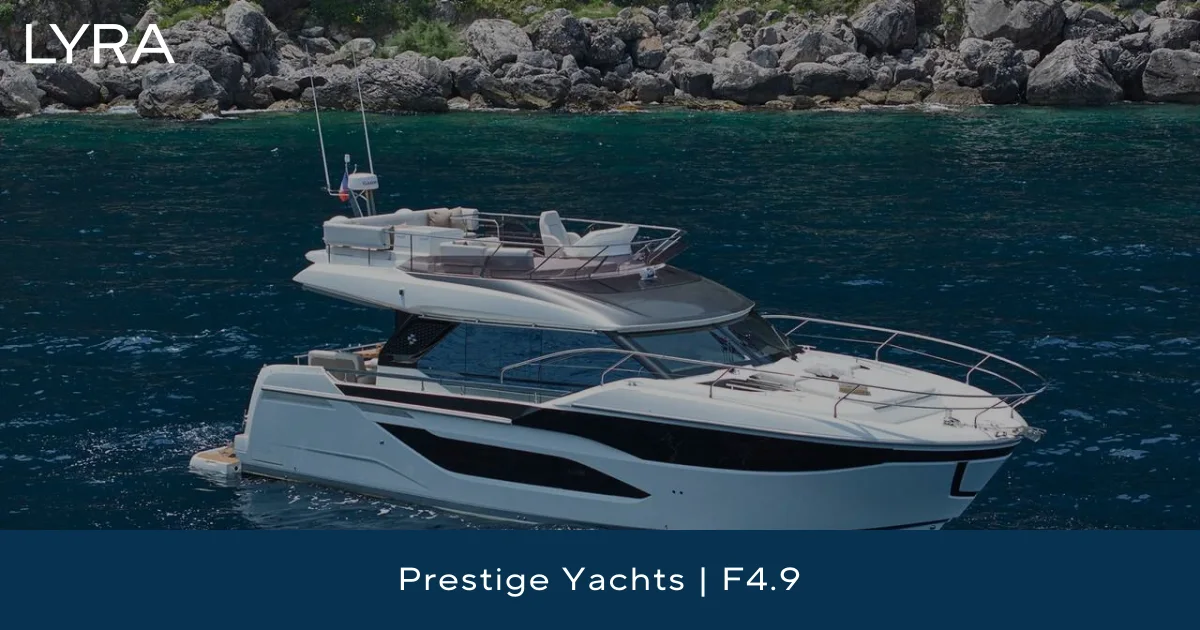
The Prestige F4.9 is a 15.18-metre flybridge motor yacht with the same two tags, while also being presented for family use. It shows how a first yacht can offer several social and overnight spaces without automatically moving into a permanently crewed ownership model.
The Moody Decksaloon 48 brings the same parameters into sailing. Its catalogue page combines First Yacht, Single-Handed Operation, Family and Travel, demonstrating that an approachable beginning can still include offshore cruising ambition.
These are examples, not recommendations. After seeing the range of possibilities, the search should return to yacht types and sizes that fit the owner’s own scenario rather than continuing around individual brands.
The right level of complexity is personal
Ease of operation reaches beyond the helm. The owner will also encounter berthing, fuelling, cleaning, preventive maintenance, insurance, seasonal preparation and the organisation of repairs. A yacht that feels effortless during a viewing may still require an operating structure that the buyer has never managed before.
This is why the first-yacht decision benefits from an honest description of the owner’s preferred role.
Some buyers want to learn every system, drive regularly and make day-to-day decisions themselves. Others want to understand the yacht while delegating the physical operation. A third group wants the experience to arrive fully prepared, with a captain or management team handling almost everything behind the scenes.
None of these approaches is inherently more authentic. They simply lead to different yachts. The First Yacht parameter opens the initial field; the desired operating model decides where to focus within it.
Size still affects how ownership feels
Although the First Yacht rule has no length limit, size remains important. Additional length tends to bring more space, systems, equipment and coordination. It may also improve privacy, guest comfort and the possibility of spending longer periods on board.
The useful question is how much of that additional capability will be used. A buyer planning frequent short outings may gain more from a yacht that can be made ready quickly. A family expecting weekends and holidays aboard may value a larger interior, separated cabins and generous storage. A buyer who wants to develop sailing experience may prioritise manageable sail handling and visibility from the helm.
The answer does not emerge from size alone. It emerges from the relationship between size and the owner’s routine.
Training and local support can change that relationship significantly. A new owner with access to a patient skipper, an experienced marina team and reliable technical support may become comfortable with a more capable yacht than someone learning in isolation. Insurance may also set experience, crewing or navigation conditions that affect the practical operating model. These questions belong early in the search because they influence how the yacht can be used from the first day. The most successful beginning combines a manageable yacht with a realistic plan for building knowledge around it.
Build the shortlist around the first year
An effective first-yacht brief describes the first year in concrete terms.
Where will the yacht be kept? How many outings are realistic in an ordinary month? Who will usually be aboard? How many nights will be spent away from the home marina? Will the owner take the helm? What support is available locally? What level of annual operating commitment feels comfortable?
These questions reveal whether the yacht is likely to become part of life or remain an occasional project. They also create useful comparison points. Instead of asking which yacht is “best for beginners,” the buyer can ask which yacht supports a particular pattern of use with a manageable operating model.
LYRA’s yacht-selection process begins with this kind of context, then uses intelligent search and a personal shortlist to connect it to the market. In the catalogue, selecting First Yacht and, where relevant, Single-Handed Operation gives that conversation a practical first shape.
A first yacht should teach without overwhelming
The first period of ownership is inevitably educational. The owner learns what matters in practice: how often the yacht is used, which spaces become important, how much involvement feels enjoyable and which responsibilities should be delegated.
A well-chosen first yacht makes that learning productive. Its complexity remains proportionate to the owner’s appetite. Its layout supports the people who will genuinely use it. Its operating model encourages the yacht to leave the marina rather than making every outing feel like an event.
The purpose of the First Yacht parameter is to make this beginning easier to explore. Combined with Single-Handed Operation, it can rapidly narrow the catalogue for owners who want a direct and active role. The final decision still comes from the brief, the evidence and the experience of the yacht itself.
The strongest starting point is the yacht an owner can use with confidence now, while leaving enough possibility for the way their life on the water may develop.