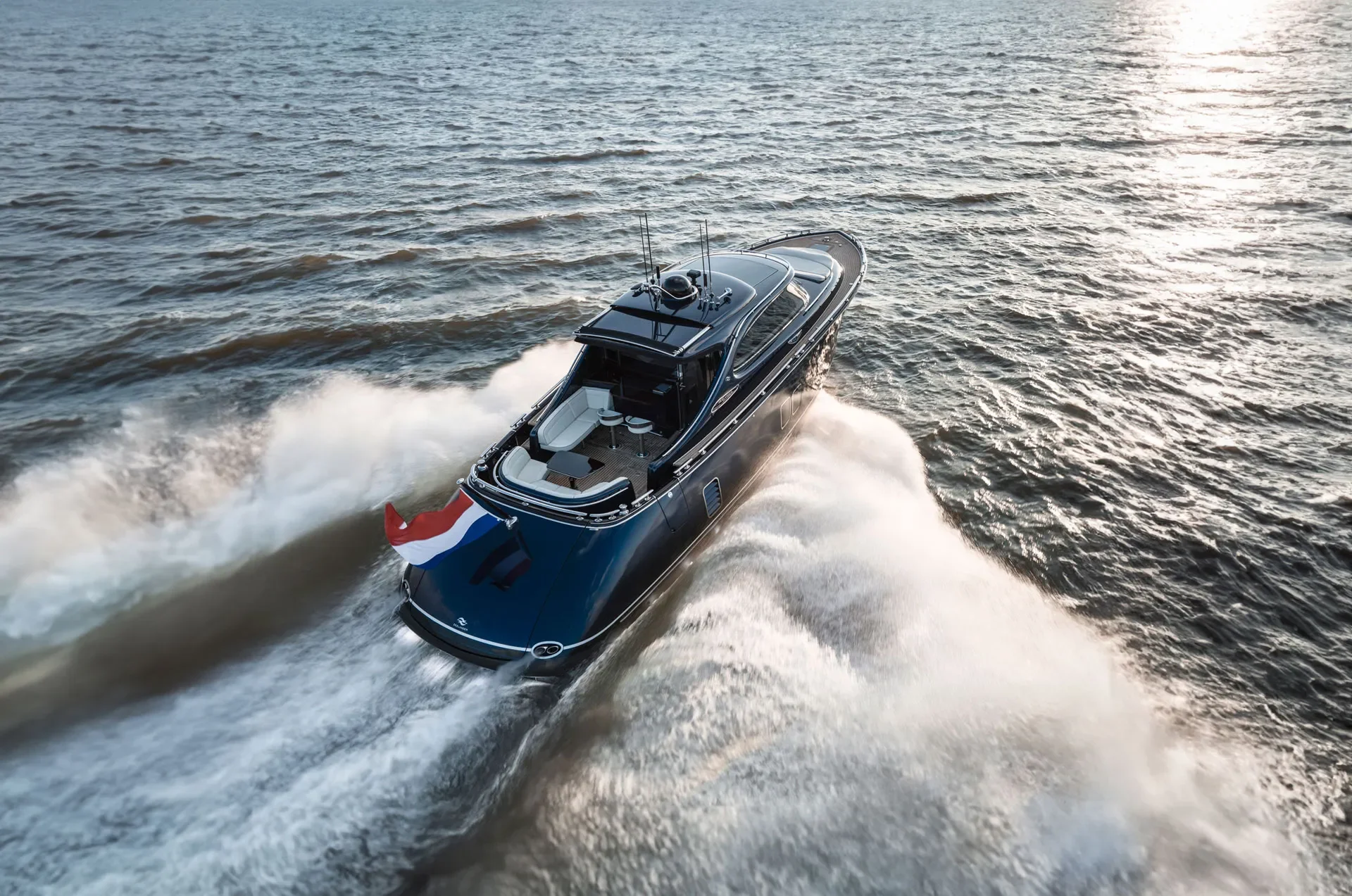
Some friends can come aboard in the morning; others are free after lunch. The owner would like the day to welcome both, with a meeting point along the route rather than the whole company returning to the home berth. A suitable shore connection can make that idea part of the yacht's regular social life.
Guest Capacity and the tender arrangement are the two leading catalogue considerations. The first describes the company the main yacht can accommodate within its confirmed use. The second helps explore one way to connect that yacht with the friends arriving ashore. The actual meeting needs a plan developed by the captain and relevant providers.
Count the afternoon company clearly
Begin with who will be aboard after the new guests join. If four friends are already enjoying the yacht and two more arrive, the shared spaces need to suit the resulting group as well as the morning's smaller gathering. The permitted numbers and operating arrangement must be confirmed for the actual vessel.
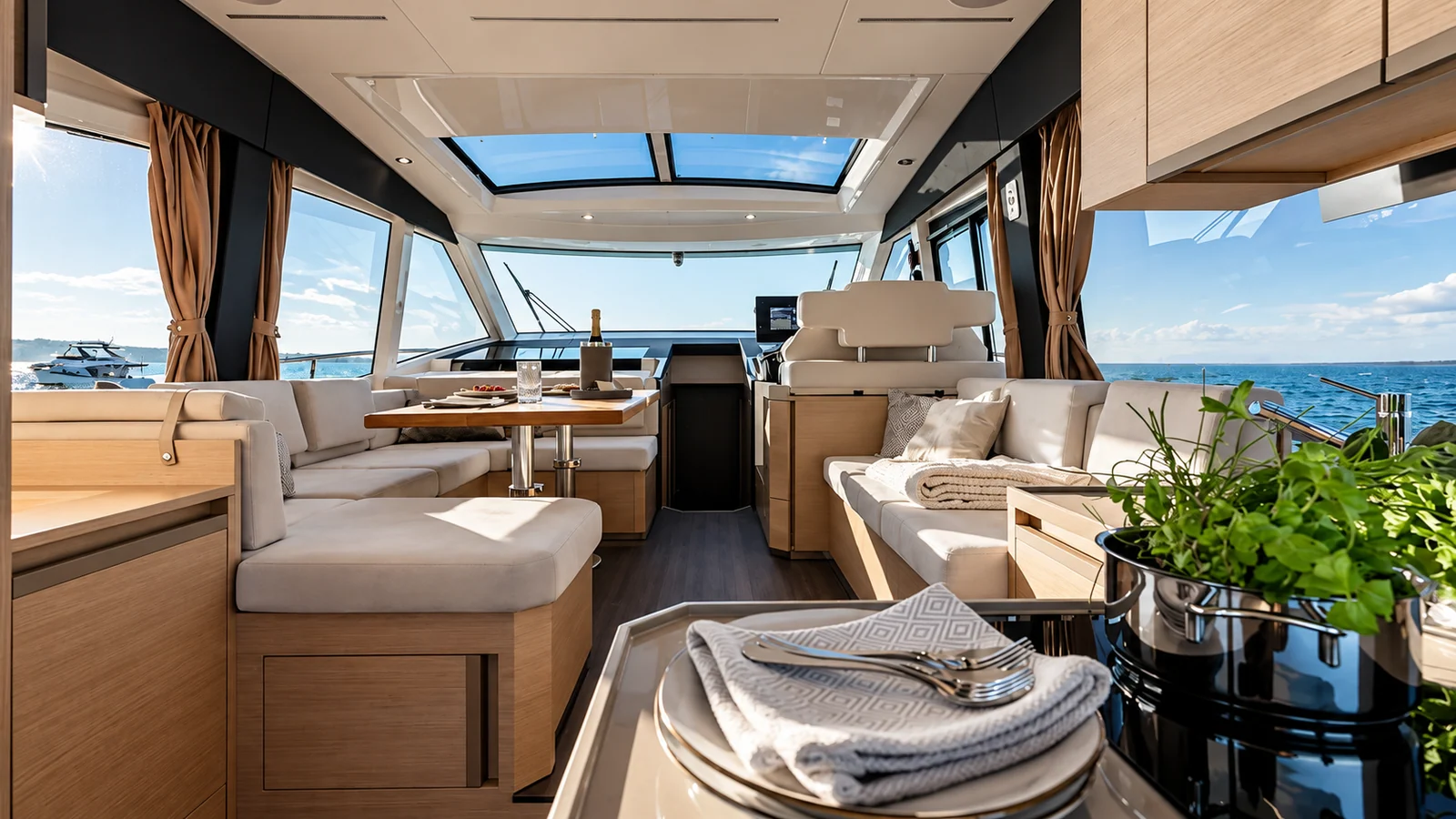
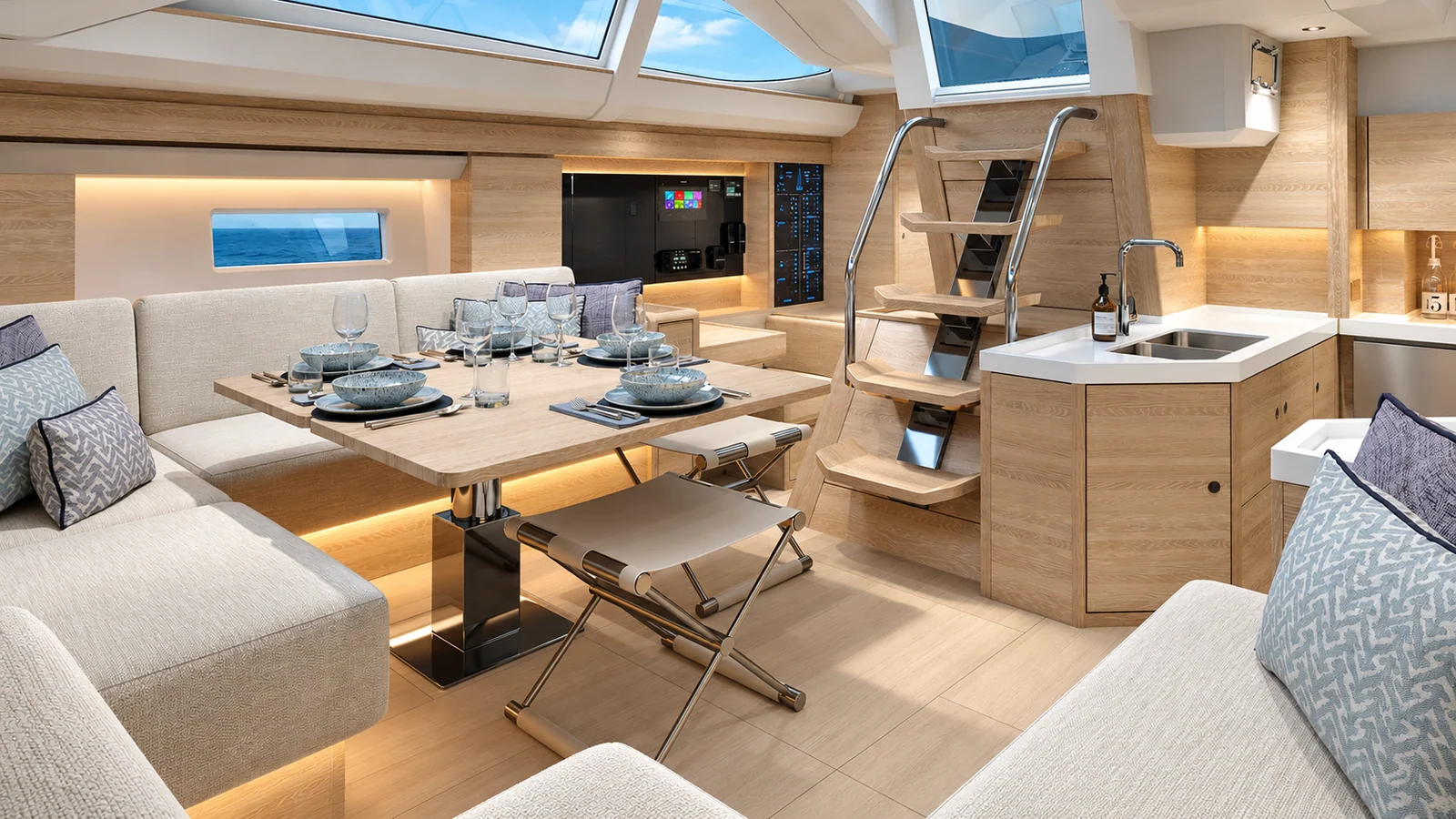
Look at the places those people will use. A lunch table, passage seating and lounging area can each have a different role. The main yacht's capacity becomes meaningful when the owner can picture the full afternoon company occupying it comfortably.
The arrival may also bring a change of activity. New guests might join for a meal or for the journey home, while others have spent several hours settled aboard. Explain that intended rhythm to the captain so the appropriate programme can be developed around the real people and circumstances.
Give the meeting point an exact arrangement
The captain should assess a suitable place and method for joining the yacht, including access, availability and the relevant operating requirements. The owner can describe where the friends will be and what makes the meeting convenient, with the practical decision left to the qualified people responsible.
Some plans may use the main yacht alongside. Others may involve an appropriate tender transfer. The actual arrangement should be clear to the guests before they arrive, including whom to contact and where they should wait through the agreed process.
A map reference or a confirmed landing location is more useful than a broad instruction to come to the beach. The relevant people should ensure the arrival information describes the actual plan. The owner can then welcome friends into an arrangement everyone understands.
Treat the tender as its own vessel
The tender's passenger arrangement and capability need assessment for the specific transfer. The number of people on the main yacht is a separate question from the people and equipment carried on the auxiliary boat. The captain and relevant specialists should confirm the appropriate tender and operator.
In the LYRA catalogue, Tender Garage helps explore a particular storage facility on the main yacht. The selected tender, handling system and actual installation must be considered together. The owner should understand what is supplied and how it supports the proposed programme.
Guest comfort matters during the transfer as well. Friends may arrive with ordinary clothes, a bag or items for lunch. The actual boat and boarding arrangements should suit those people within the captain's assessment. Their visit begins at the shore connection rather than only when they reach the main table.
The team should also establish how the tender returns to its appropriate place and how the main yacht's programme continues. Include where the arriving friends want to finish their visit. The confirmed meeting point and the yacht’s eventual return may be different places, so their onward arrangements belong in the conversation with the captain. A clear account of the end of the outing helps the new guests understand the whole invitation, including how the shore connection fits their own day.
Make the welcome comfortable aboard
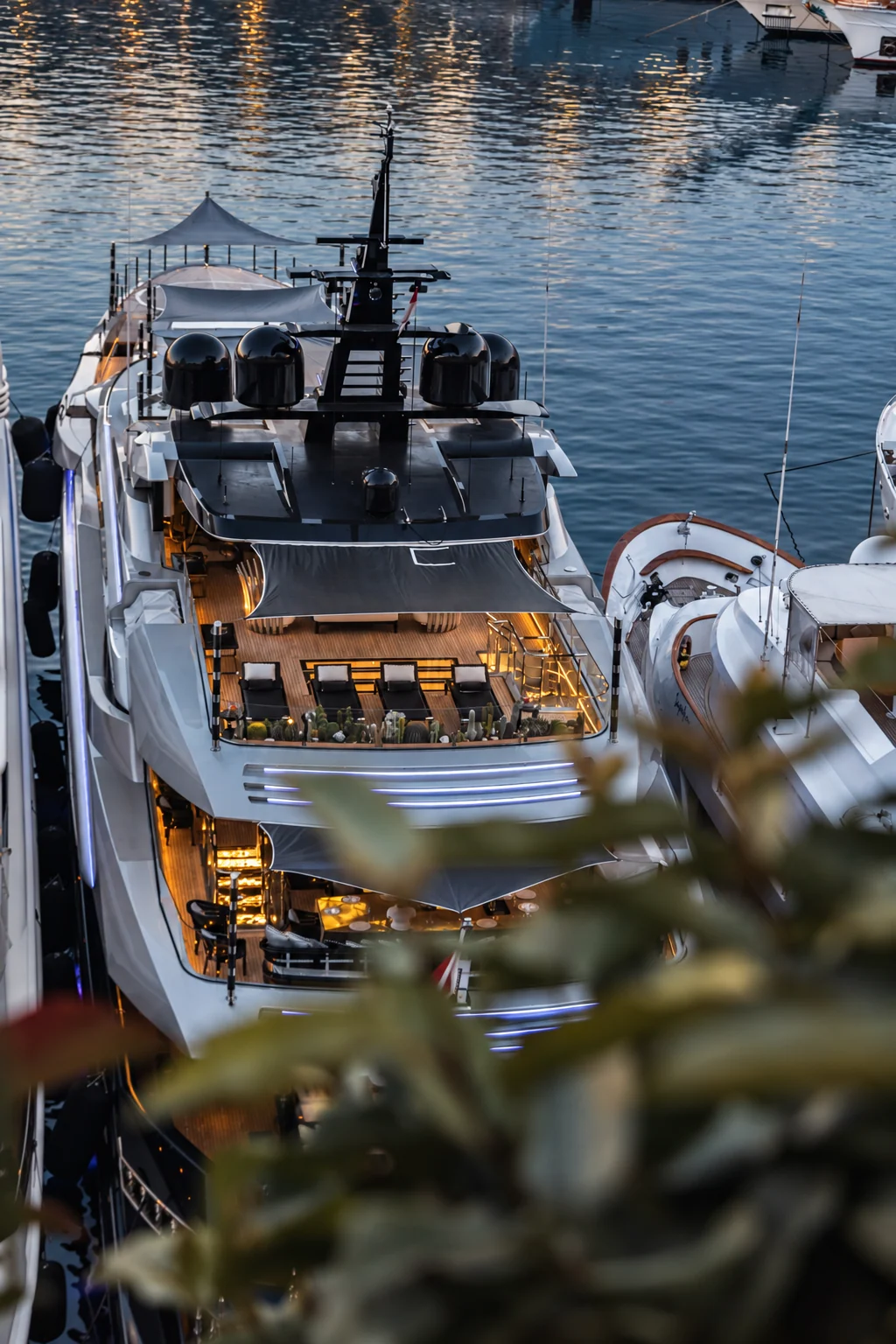
The new guests need a place to put belongings and settle into the afternoon. During viewings, follow the route from the relevant boarding point to the social area. Look at it with the existing company already seated, so the arrival has a realistic setting.
The host can prepare a simple introduction to the yacht and the rest of the day, alongside the captain's appropriate briefing. A comfortable seat, a drink and a clear place for a bag can make the transition feel natural. The wider gathering continues while the new company joins it.
If this kind of invitation will happen regularly, include it early in the purchase brief. The adviser can help compare the actual layouts and tender arrangements, with the captain assessing suitable programmes. A specific social habit gives the equipment and spaces a clear purpose.
Choose for the people you want to include
A yacht can make the day more flexible for friends with different schedules when the actual arrangement supports it. The owner should be able to picture the full company, the confirmed meeting and the welcome aboard as one coherent outing.
Thoughtful selection turns that possibility into a recognisable part of ownership. The morning has its pleasures, new friends arrive and the afternoon gains another conversation, with the yacht providing a familiar place for everyone to come together.