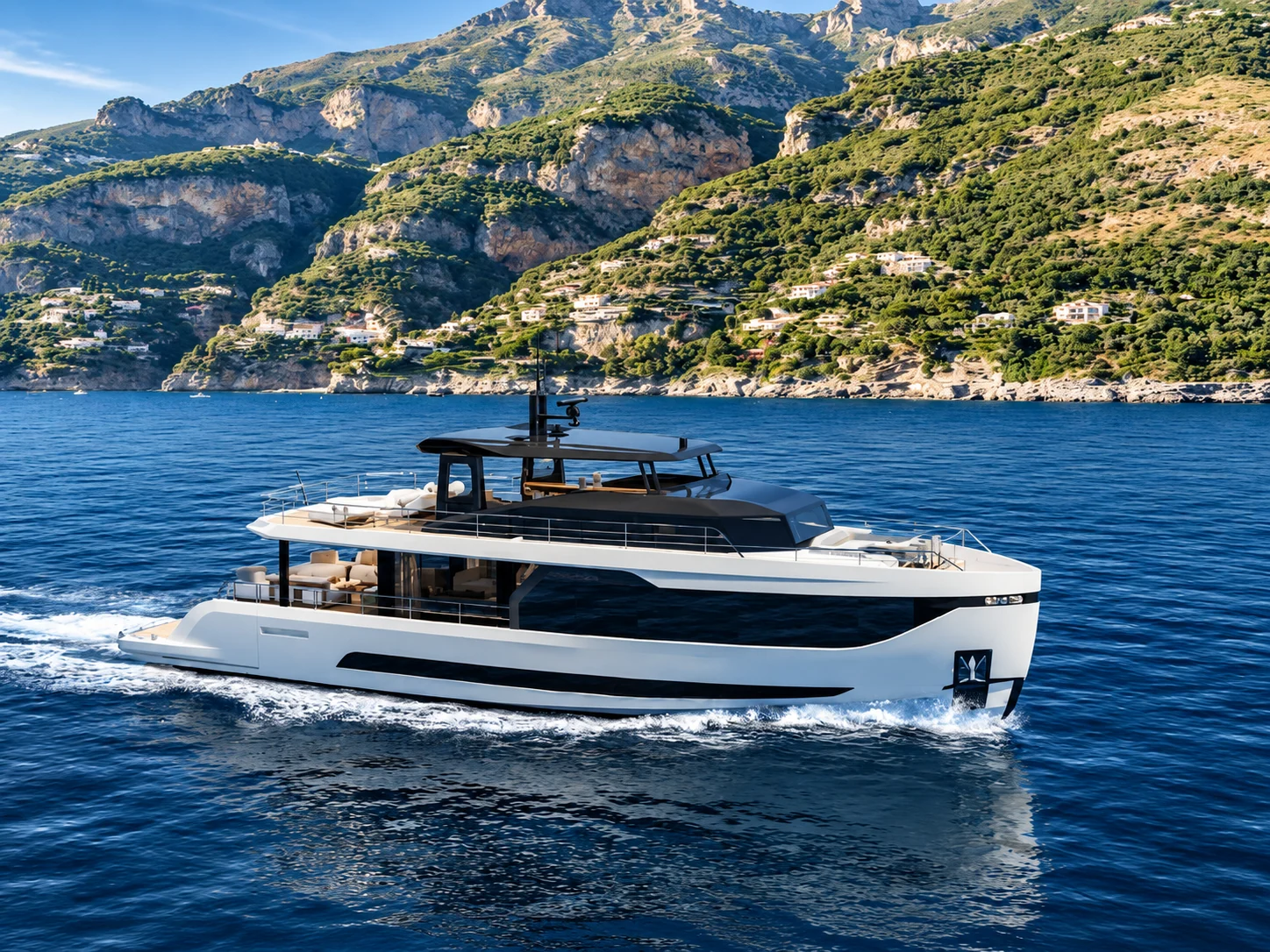
An aviation requirement can give a yacht programme a particular form of access. The same vessel is also the place where guests dine, enjoy the view and spend ordinary hours outside. During purchase, those functions should be considered within one complete project, with the actual aviation capability and permitted uses established by the relevant qualified specialists.
Helicopter Landing Pad and Guest Capacity frame the catalogue discussion. They introduce a specialist function and the company living aboard. The exact configuration then needs to show what is supplied and how the owner's day relates to the professionally defined arrangement.
Establish the function being proposed
Begin with the owner's actual aviation brief and have the appropriate yacht and aviation specialists assess it. The aircraft, vessel, intended operation and applicable requirements need their own professional process. The owner should receive a clear explanation of the scope being considered.
The LYRA catalogue groups existing landing capability and the possibility of installation within its helicopter-related category. The individual proposal therefore needs to identify which situation applies. An installed facility, a design option and a project requiring further assessment should remain distinguishable in the purchase record.
The yard and relevant specialists should confirm the actual documentation and approvals required for the proposed vessel and operation. The owner should understand what has been established and which matters remain open. The attractive idea of access becomes meaningful through that defined professional evidence.
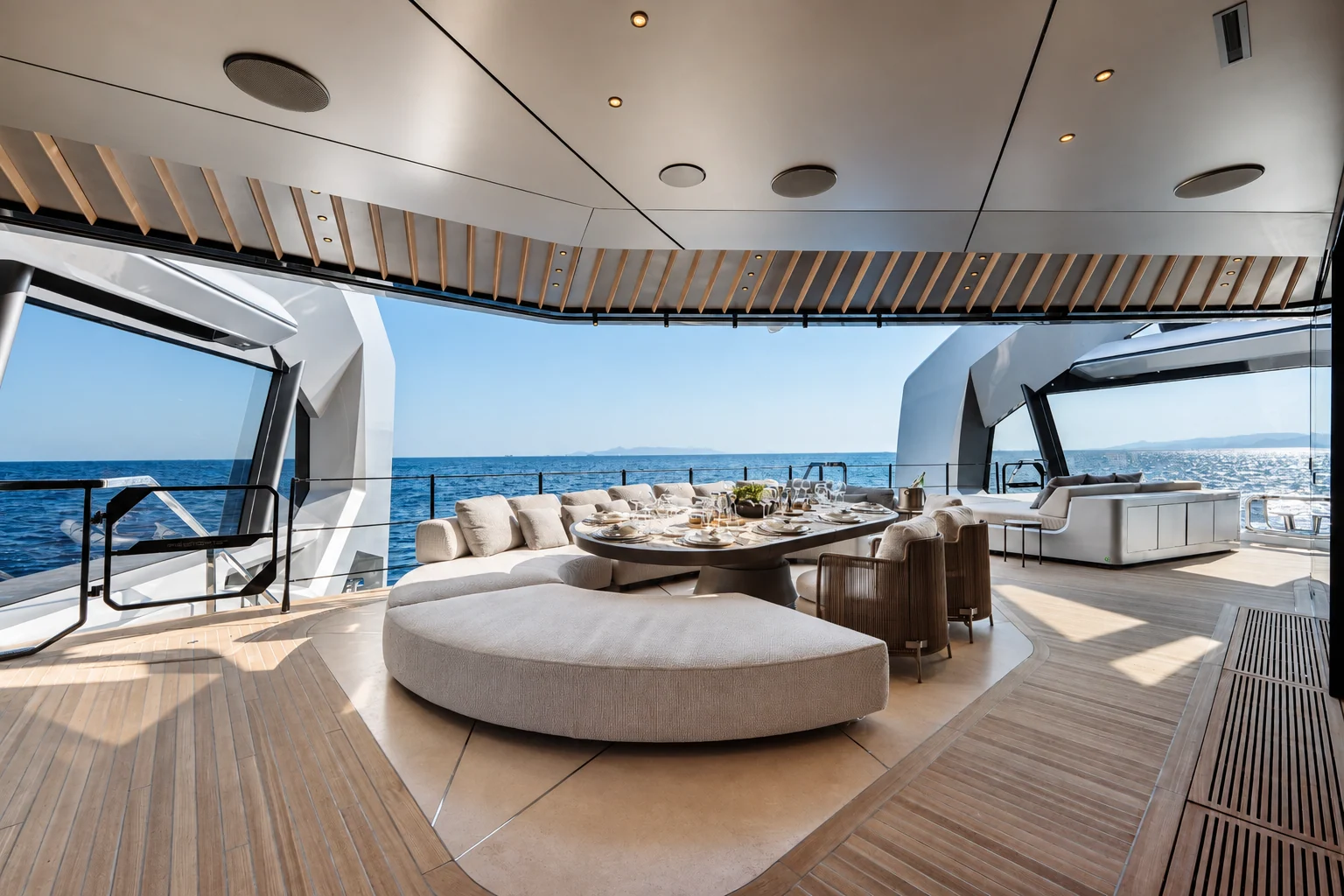
Give the project team a picture of the ordinary guest arrangement in that part of the yacht. A dining table, chairs or other furnishings shown on a leisure drawing need an identifiable place in the complete proposal. Ask the specialists to explain which are supplied, which belong to an alternative arrangement and how those alternatives are documented. Their assessment should make the permitted guest spaces understandable to the owner alongside the separate aviation scope and its qualified operating responsibilities.
Read the deck within the complete layout
The relevant drawings should show the area and its relationship with other rooms and routes. Ask the professional team to explain the actual configuration, including which functions are permitted in each defined state. The owner needs an intelligible picture of the deck they will receive.
Guest areas nearby deserve attention through that explanation. The table, seats and routes appropriate for ordinary use should be identifiable, with any required restrictions or changes established by the specialists. The owner can then assess the experience from the places the company will actually occupy.
Guest Capacity in the catalogue introduces the size of the gathering. Ask the project team to identify the documented guest allowance applicable to the deck arrangement being proposed. The social layout should be assessed with those real people in mind, alongside the specialist function the project is intended to provide.
Where a drawing presents alternative configurations, establish which one belongs to the offer. Different purposes shown in marketing material should not be assumed to operate together. The selected proposal needs one coherent account of supplied equipment, arrangements and appropriate uses.
Give everyday pleasure a clear place
The owner should describe the outdoor life they want between specialist operations. A meal with friends, a quiet seat and the view may be central to the yacht's appeal. The design review can consider those preferences while the relevant professionals establish what the actual project allows.
During a suitable viewing, experience the guest areas made available under the captain's arrangements. Sit in the relevant positions and consider the room's atmosphere. Personal observations about comfort and connection with the rest of the company can inform the purchase alongside the technical findings.
The practical preparation of any changing area needs a defined scope. The captain, yard and aviation specialists should establish the responsibilities and requirements for the actual vessel. The owner should understand how the relevant state is confirmed before the area is used for its intended function.
This clarity helps connect a complex facility with ordinary ownership. The people doing the work have their professional arrangements, and the owner can see which spaces support the company throughout the programme. The yacht is assessed as a complete place to live as well as a specialist project.

Keep the final proposal aligned
The specification, drawings and relevant professional findings should describe the same yacht and aviation scope. If the configuration changes, the appropriate specialists need to reassess the implications and update the proposal. The owner should know what the purchase will actually deliver.
Any relevant services and operating support should be separately identifiable, with their actual scope and providers confirmed. Physical capability and the complete aviation programme are connected subjects requiring their proper professional evidence. The buyer benefits from seeing both clearly.
Compare serious candidates through the same owner brief and guest use. The professionals assess feasibility and requirements, while the owner evaluates the life offered in the permitted spaces. Unresolved matters should remain specific questions within the purchase process.
A carefully developed project can give specialist access and personal comfort their appropriate places in one yacht. The owner understands the capability being selected and can picture the ordinary day around it, with the right professional preparation supporting the whole programme.