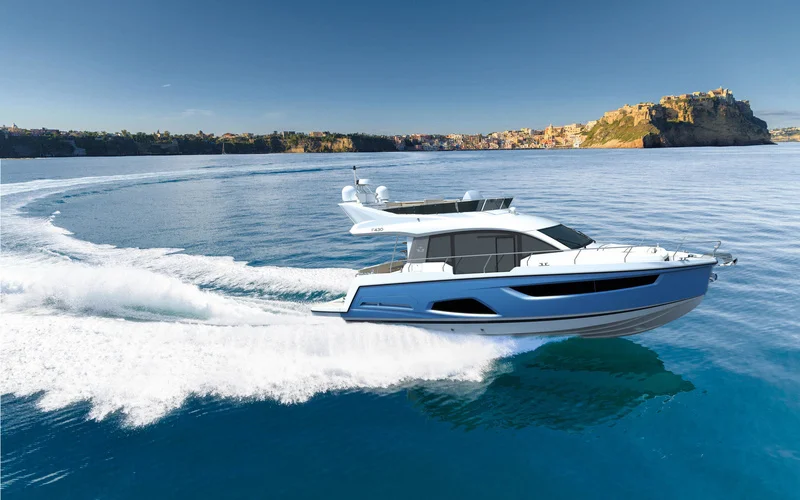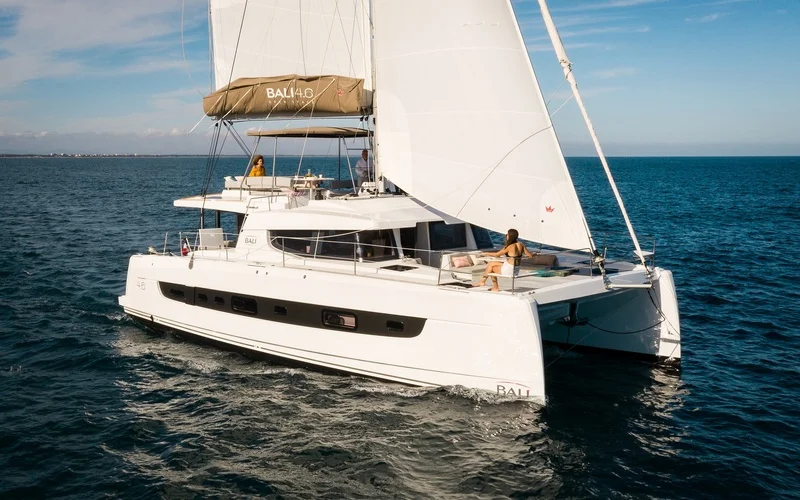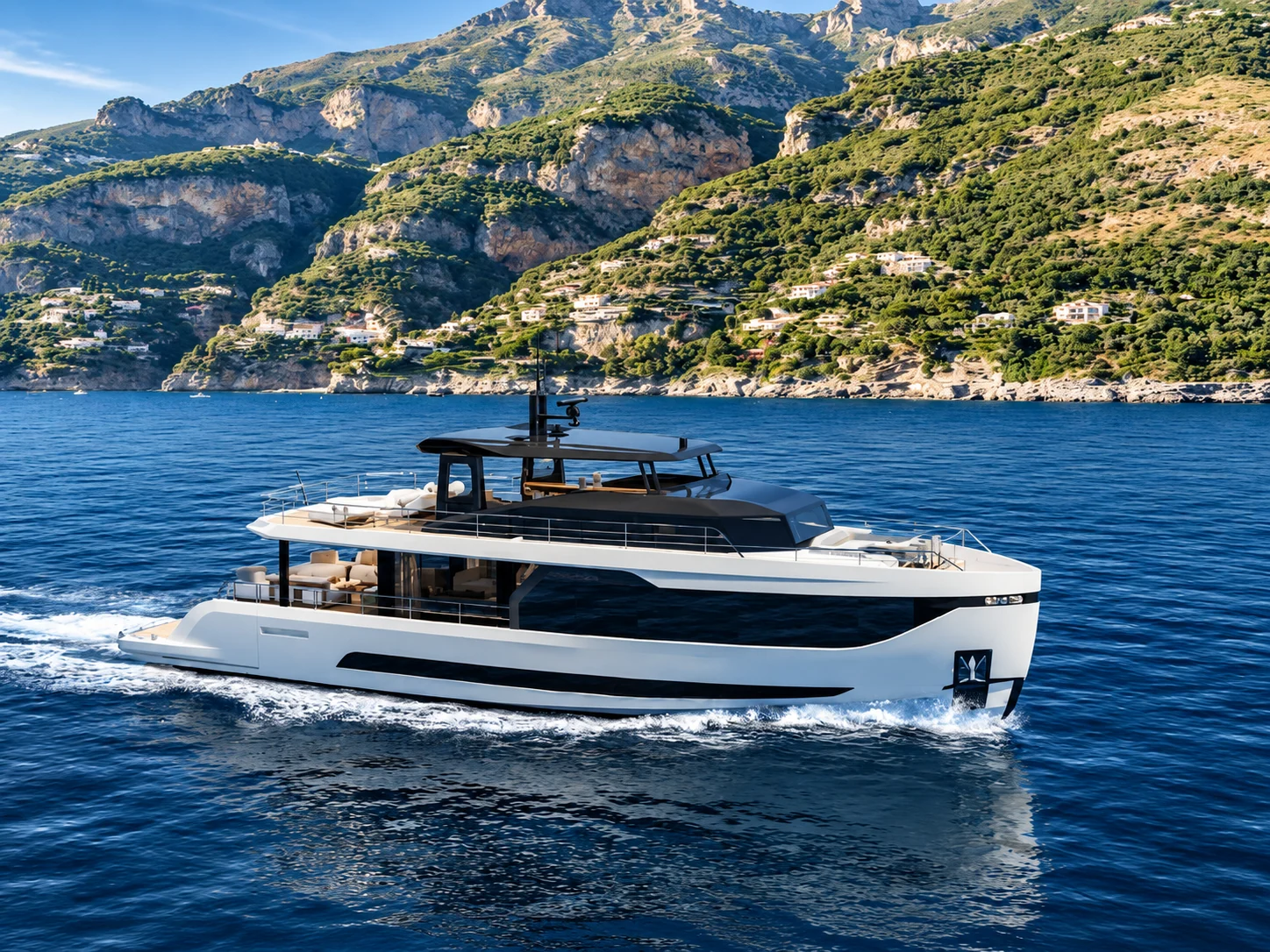
The holiday may look wonderfully simple: a few harbours, afternoons swimming and dinner ashore whenever the mood takes you. Then the route reaches a stretch between two places you particularly want to visit. The stops become farther apart, and one day at sea asks more of the yacht than the rest of the week.
That passage deserves attention early in the search. It connects two parts of the holiday you want to enjoy, so the yacht should support it as convincingly as she supports the easy coastal afternoons on either side.
Two catalogue parameters help establish that conversation: range and suitability for coastal cruising with shore support. Their value comes from reading them together against the actual journey. One describes a distance-related capability under a stated basis; the other helps identify yachts for the broader pattern of use.
Give the connecting passage a proper description
Begin by identifying the places the longer leg connects and how it fits into the week. Perhaps you want to reach a different group of islands and then return to the original base. Perhaps the holiday ends in another harbour. Those are different overall journeys even when the outward passage looks identical.
The dates matter to the conversation as well. A crossing occupying one part of a flexible week creates a different planning brief from an arrival tied to a fixed onward commitment. The captain needs to understand the intended programme and the room available to adjust it to conditions.
This is an owner brief, so you can describe the experience in ordinary language: who will be aboard, whether everyone expects a full day underway, and which parts of the holiday matter most. Passage planning and the assessment of suitable conditions belong with the qualified person responsible for the voyage.
Writing down the connecting leg makes its importance visible during yacht selection. It becomes a specific question for the shortlist, alongside the larger pleasure of the coastal holiday.
Read range through the journey you intend to make
The range field in the LYRA catalogue gives an initial reference for comparing yachts. A published distance becomes useful when its basis is understood: the operating speed, fuel arrangement and other assumptions associated with the figure.
Your preferred way of travelling belongs in that comparison. A range quoted at one operating speed may tell you little about a programme planned around another. The yacht's specified equipment and loading also need to be considered in the professional assessment of the proposed leg.
Ask for the range information applicable to the configuration under discussion, then have it assessed for the complete intended route. The return journey, available support and the captain's planning requirements all form part of that work. A single catalogue number cannot express those relationships by itself.
This keeps the search practical. You are looking for a yacht whose documented capabilities can support the desired connection under an appropriately planned programme. Once that is established, the shorter visits around it become part of a coherent holiday.
Keep the coastal days in the picture
Most of the week may still be spent close to a sequence of shore stops. That rhythm deserves equal care. Think about the harbour lunches, the company returning from a swim and the pleasure of arriving somewhere new with enough of the day left to enjoy it.
The coastal-cruising category helps frame this broader use. It should be read as a selection characteristic, with the intended itinerary subsequently reviewed for the individual yacht. It does not establish access to every harbour or suitable conditions for every passage.
Shore support is especially relevant when the journey includes a more demanding connection. The useful question is where the programme can obtain the services it needs, before and after that leg. Support availability should be established for the intended dates through the people arranging the trip.
A yacht selected around this whole pattern can feel equally at home in the slower parts of the holiday. The longer passage has a clear technical place in the decision while the everyday coastal life remains the reason for buying.
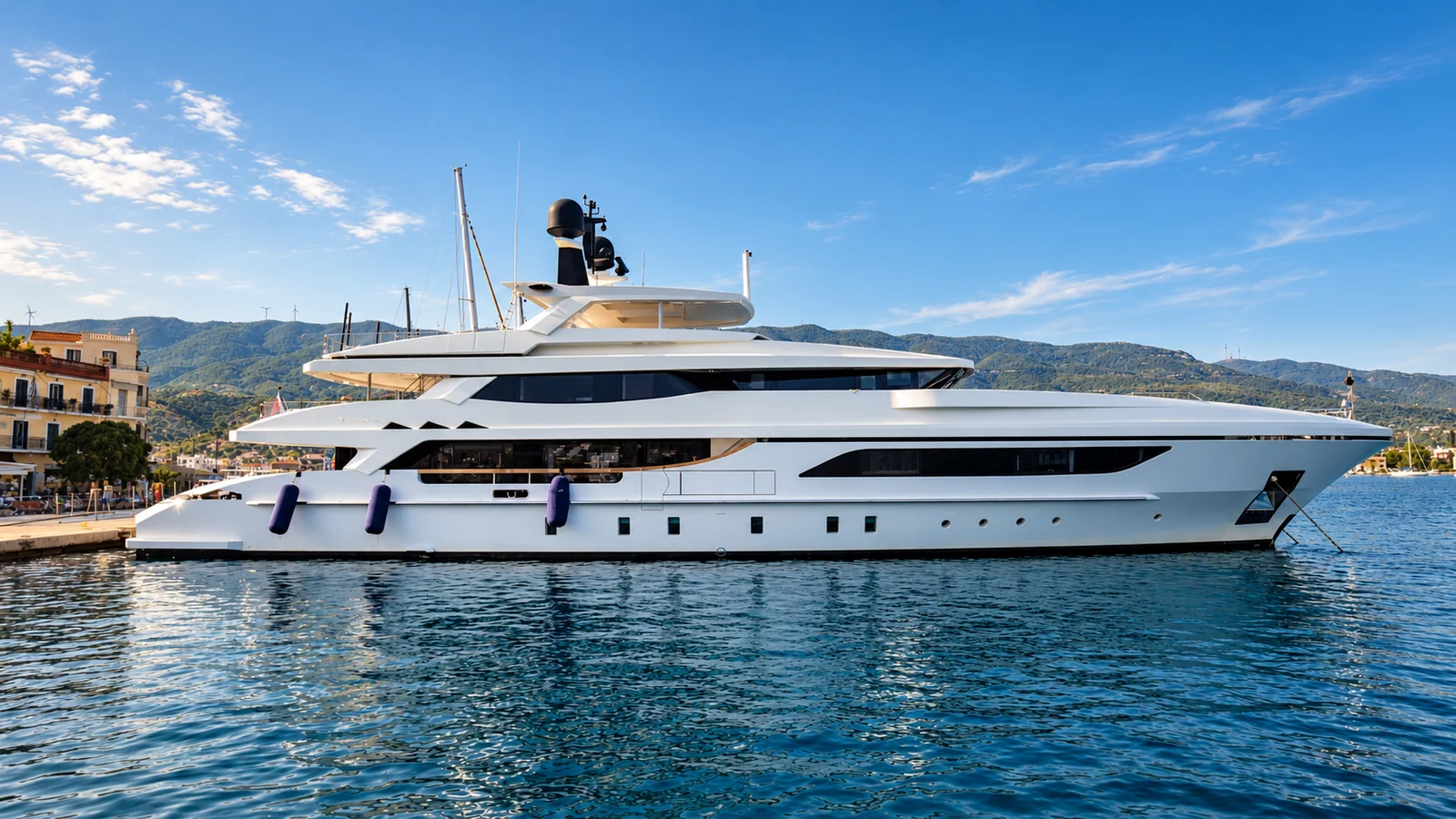
Compare complete versions of the same week
When two yachts reach the shortlist, describe the same intended holiday to the specialists assessing each. Keep the departure and arrival points, guest group and preferred pace consistent. Otherwise, an attractive comparison can conceal two quite different assumptions about how the week would unfold.
The resulting discussion should explain how the connecting passage fits, which details still require confirmation and what support accompanies the journey. It can also reveal how much time remains for the stops you most look forward to.
Include what happens on reaching the other side. The company may hope to settle aboard for the evening or join an agreed shore arrangement. Describe that preference so the captain and relevant providers can assess the actual arrival and support. The connecting passage then leads into a recognisable next part of the holiday, with the intended welcome considered alongside the journey.
This is where a well-chosen yacht makes the plan feel whole. The owner can picture a continuous holiday, from familiar coastal pleasures to the anticipation of arriving somewhere farther away. Careful selection gives that one longer crossing a considered place within the life you want at sea.