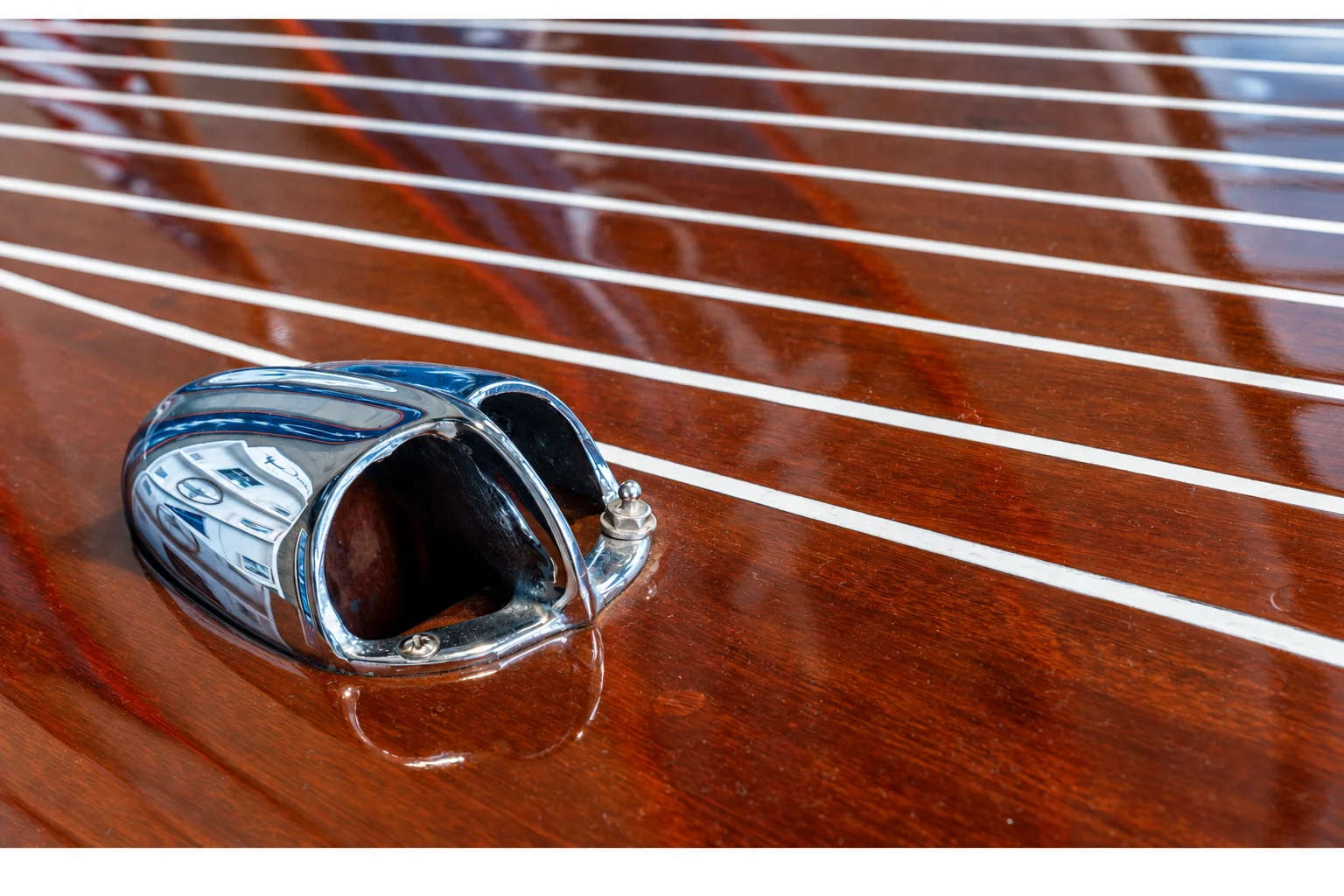
The gleam of a finished yacht tells you how beautifully a surface has been presented. The line labelled “Hull Material” begins a different conversation: what the principal structure is made from and how the builder has chosen to use it. It is a useful fact in the LYRA catalogue, but it is not a quality score. The same material can support quite different yachts when their design, construction and intended service are different.
The material field is most valuable when it prompts a buyer to look beneath the label. GRP, aluminium and combined carbon/GRP appear on LYRA model pages. Each gives a starting vocabulary. None, by itself, explains the whole structure, its condition or how the yacht will feel to own.
One word, many constructions
“GRP” broadly identifies glass-reinforced plastic. The word does not tell you the laminate schedule, where cores are used, how the hull was formed or what choices were made for a particular model. “Aluminium” identifies a metal construction family but does not specify the alloy, weld details, coating system or the way dissimilar materials are managed. “Carbon/GRP” signals a mixed material description; it does not tell you which parts contain carbon or how those parts contribute to the design.
The distinction matters because a buyer is interested in the real yacht, not an abstract material sample. Structure, finish, access for inspection and builder execution are experienced together over years of use. The correct next question is therefore specific: which component is made of which material, and what documentation explains that decision?
The label also deserves careful reading when the hull and superstructure use different materials. A model-page field may simplify a complex build into one entry. The yard specification and drawings can describe the actual arrangement. This is one reason to read a catalogue page as the beginning of a conversation with the builder, not as the entire construction record.
Why a buyer might care
Material choice can matter to weight targets, design freedom, maintenance, repair planning and the sort of yard support an owner expects. The direction of those effects depends on the particular yacht and its construction. A sweeping claim that one material is always lighter, stronger or easier to repair would hide the design decisions that produce the result.
An owner planning long periods away from a familiar service base may give special weight to repair access and technical documentation. An owner choosing a production cruiser for frequent local use may care more about the builder's established support and the condition of the exact yacht. In either case, the material provides a useful question; the ownership plan gives the answer relevance.
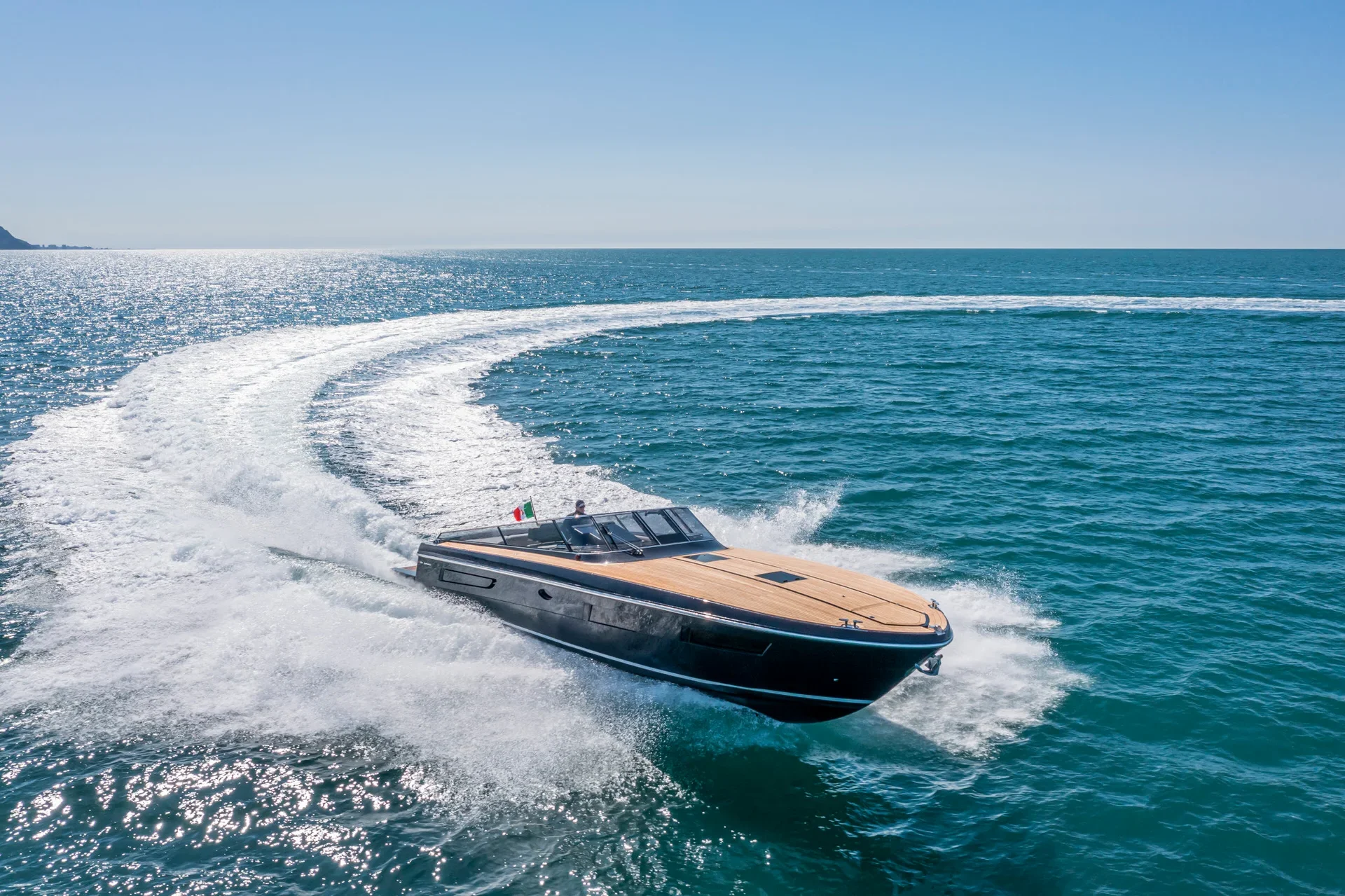
LYRA model pages make the variety concrete. The Itama 45RS is an example recorded as GRP, the Arksen 65 as aluminium, and the Azimut Grande 27M as Carbon/GRP. They are examples of catalogue labels, not a comparison of quality or a proposed shortlist. Different yacht types and sizes make any simple ranking especially unhelpful.
Looking beyond the finish
The most useful visit moves from attractive spaces to accessible structure. Ask what can be inspected without dismantling finished interiors. Look at the machinery spaces and places where the hull connects to major equipment. Request the builder's construction specification for the exact version under consideration, along with available drawings, conformity or class information where applicable, and the maintenance guidance supplied with it.
For a pre-owned yacht, condition is a separate question from material. The same construction family can present very differently after years of use, repair or alteration. An independent survey appropriate to the yacht can test issues that a catalogue page cannot. For a new build, the contract specification should identify what the yard will actually deliver, including any choices that vary by option or market.
This attention adds substance to the enjoyment of choosing a yacht. It gives the buyer language for a deeper conversation about a design they already find compelling. The LYRA selection approach can then place material beside the intended life aboard, rather than letting the label stand in for the experience.