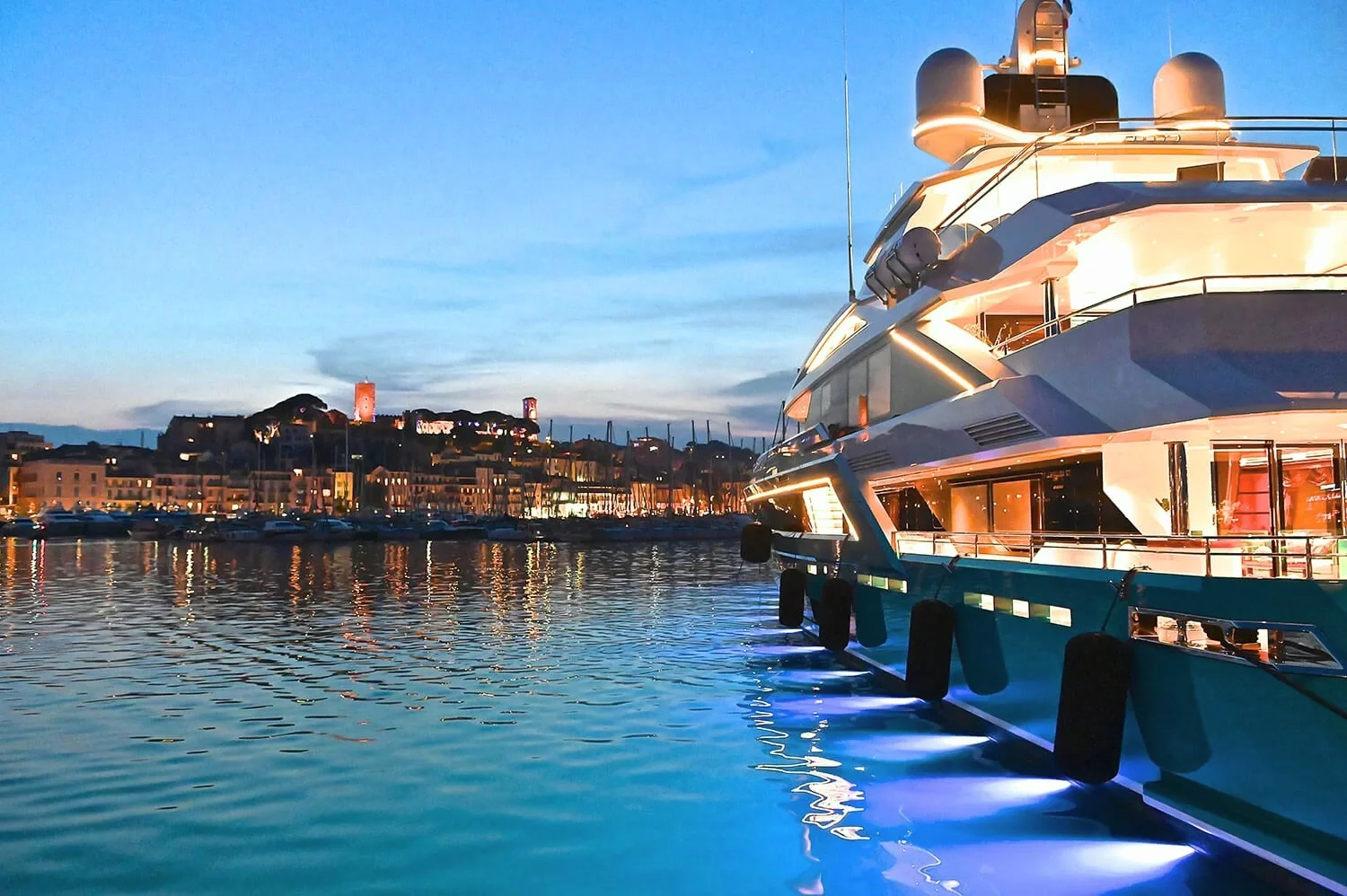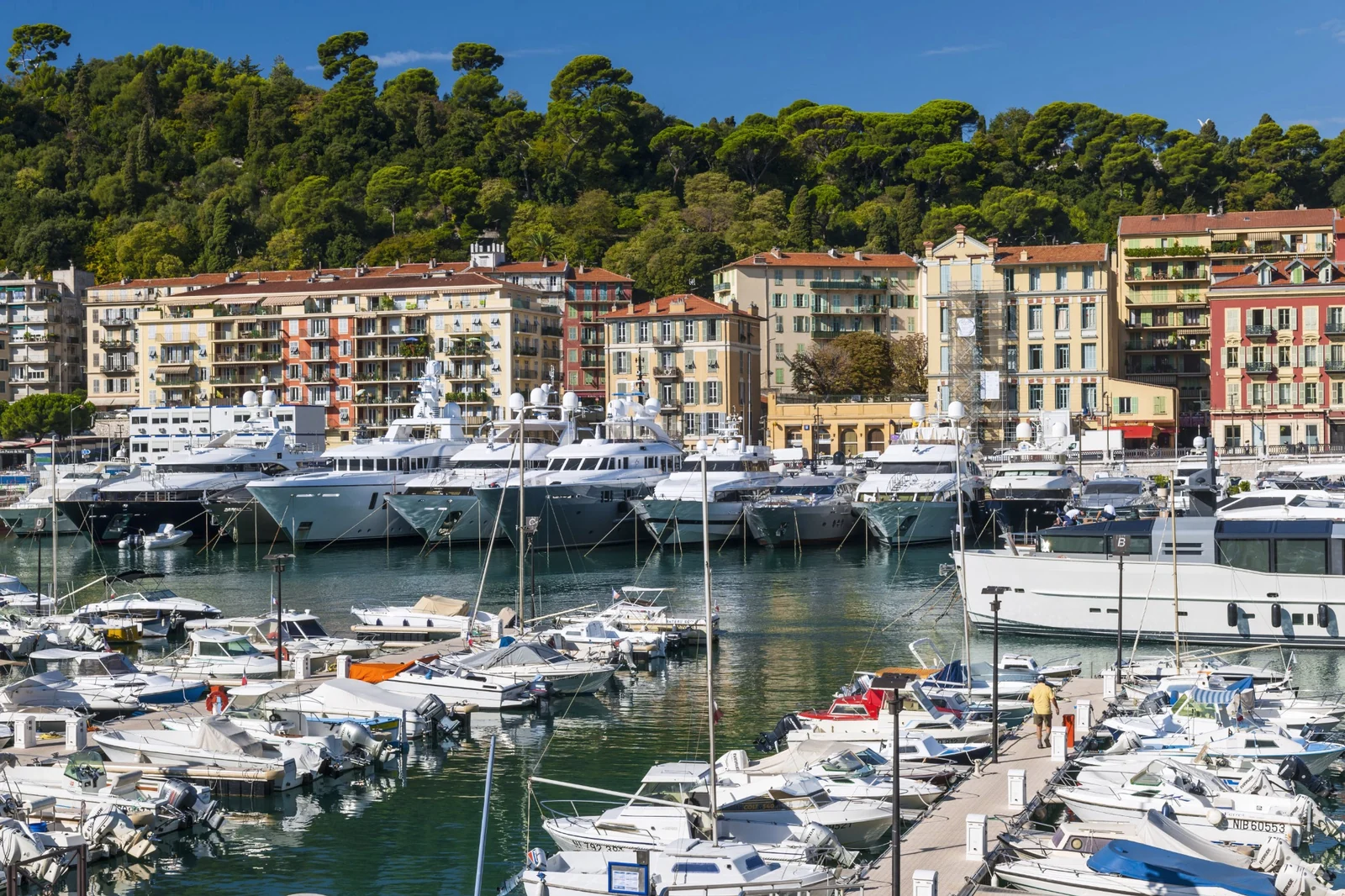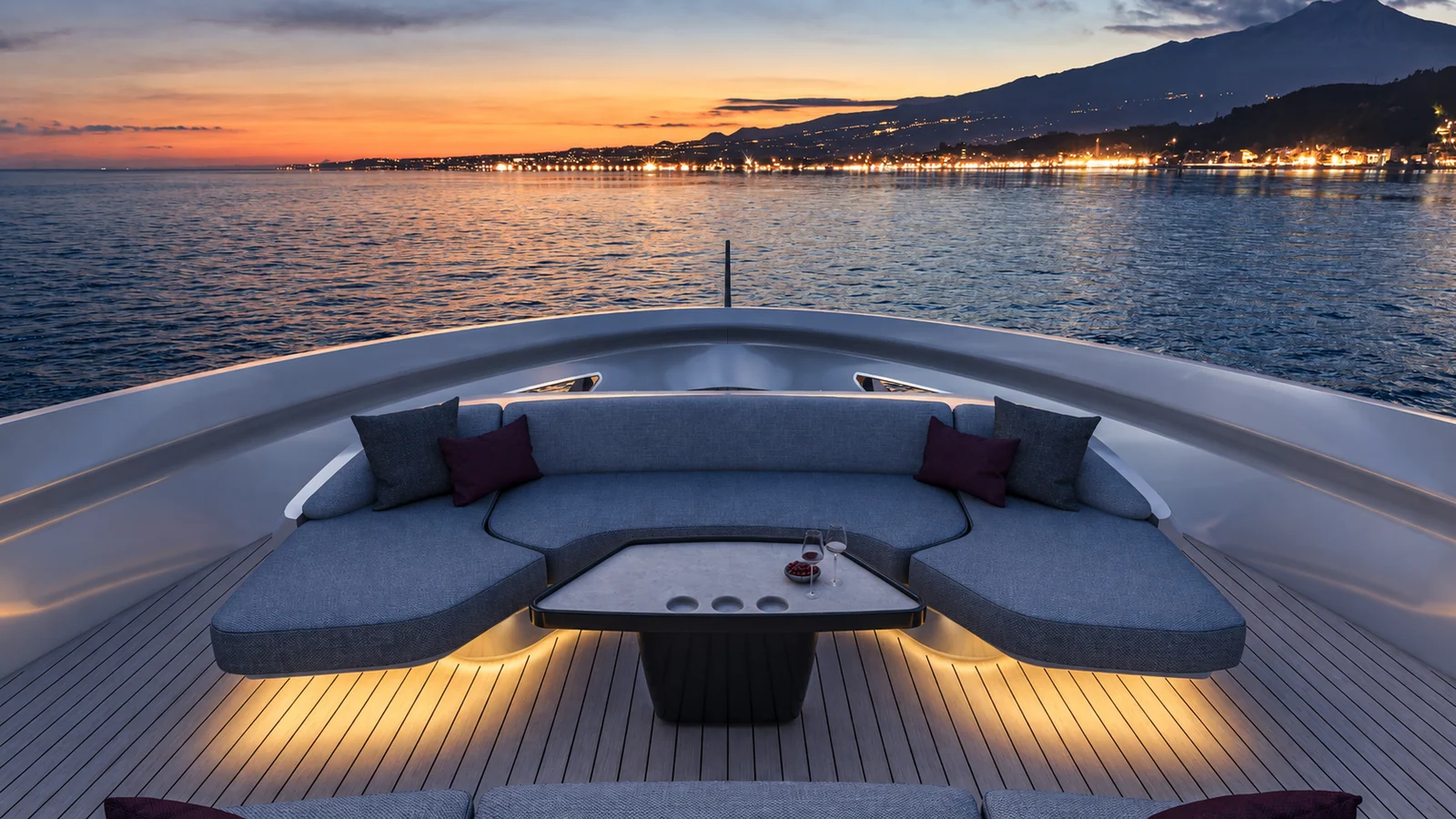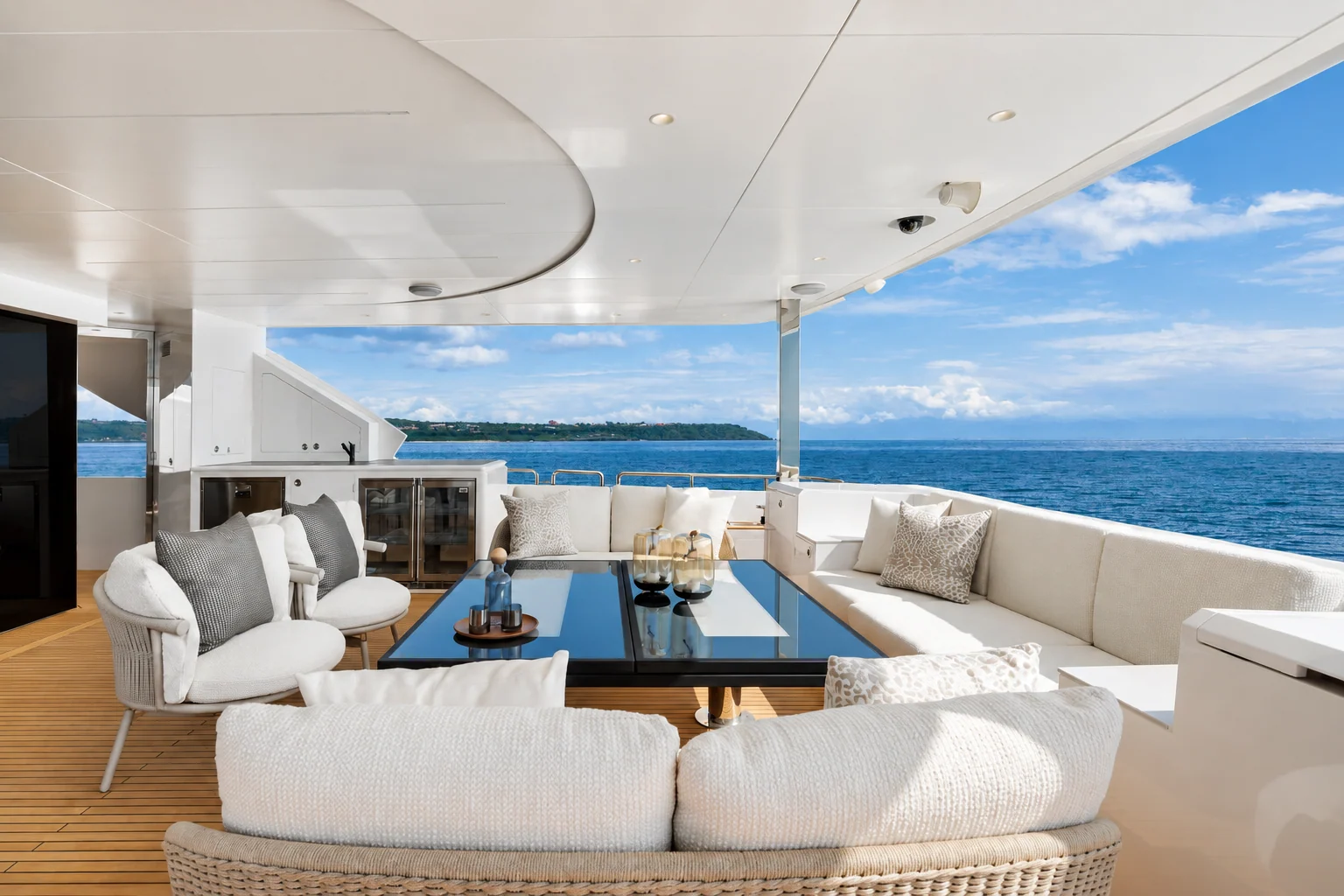
The moment you are buying into may be the yacht settled in a beautiful place, with lunch ready and the afternoon still ahead. The passage has brought everyone there; now the company can enjoy being on the water at an unhurried pace. Choosing the yacht around that moment gives the journey a clear purpose within the day.
Cruising speed brings the passage into the comparison; range gives the complete outing, including its return, another reference. The captain's assessment of the actual vessel and trip connects those figures with a programme that leaves time for the experience you want.
Decide which hours you want to enjoy most
Begin with the part of the stay that attracts you. It may be a long lunch, swimming under the appropriate arrangements or simply reading with the view. Describe how much of the outing you would like to spend settled, alongside the time available for the day as a whole.
Be clear about the beginning and end of that available time. The owner may mean leaving home and returning for dinner, while a passage estimate concerns a different part of the day. Share those endpoints with the team planning the outing. Preparation, boarding and the agreed return arrangement then have their place alongside time travelling and time settled.
The departure point and likely destinations give that preference a geography. A closer place may offer a particularly satisfying afternoon for one company, while another group enjoys a longer passage as part of the pleasure. The owner's habits give the choice its meaning.
This is useful information for the captain and adviser before comparisons focus on headline speed. They can discuss suitable candidates and programmes with the desired experience kept visible. The yacht is being chosen to support a day you can describe in recognisable terms.
Read the cruising figure through the intended journey
In the LYRA catalogue, cruising speed provides a reference for comparing candidates. The practical question is how the actual yacht would be operated on the proposed trip, with the captain considering conditions, company and the vessel's capabilities.
Ask for the basis of the stated figure where it matters to the purchase. The relevant documentation and demonstration should relate to the configuration being offered. A published number helps organise the search; the specific assessment establishes how the yacht can serve your use.
Guest comfort belongs beside the pace. The passage seats, shelter and atmosphere should suit the people making the journey. A candidate becomes more convincing when everyone can picture enjoying the trip as well as the destination, in the areas appropriate for use during operation.
Give the return its own place in the plan
The intended outing includes the journey home and the requirements the captain establishes for the complete trip. Range is relevant to that discussion, with its basis and assumptions understood for the actual yacht. It should be assessed together with the proposed operating mode and itinerary.
This matters when several catalogue figures appear on the same page. The cruising-speed reference and range entry may describe different assumptions. The captain and technical specialists should explain the applicable information rather than treating the figures as a ready-made promise about a particular route.
The owner can make the planning more useful by stating the preferred return experience. Perhaps the company wants to be home for dinner, or would enjoy a quiet final hour aboard before leaving the marina. Those preferences help give the whole day a coherent rhythm, subject to the appropriate professional decisions.
Make arrival feel like the start of the afternoon
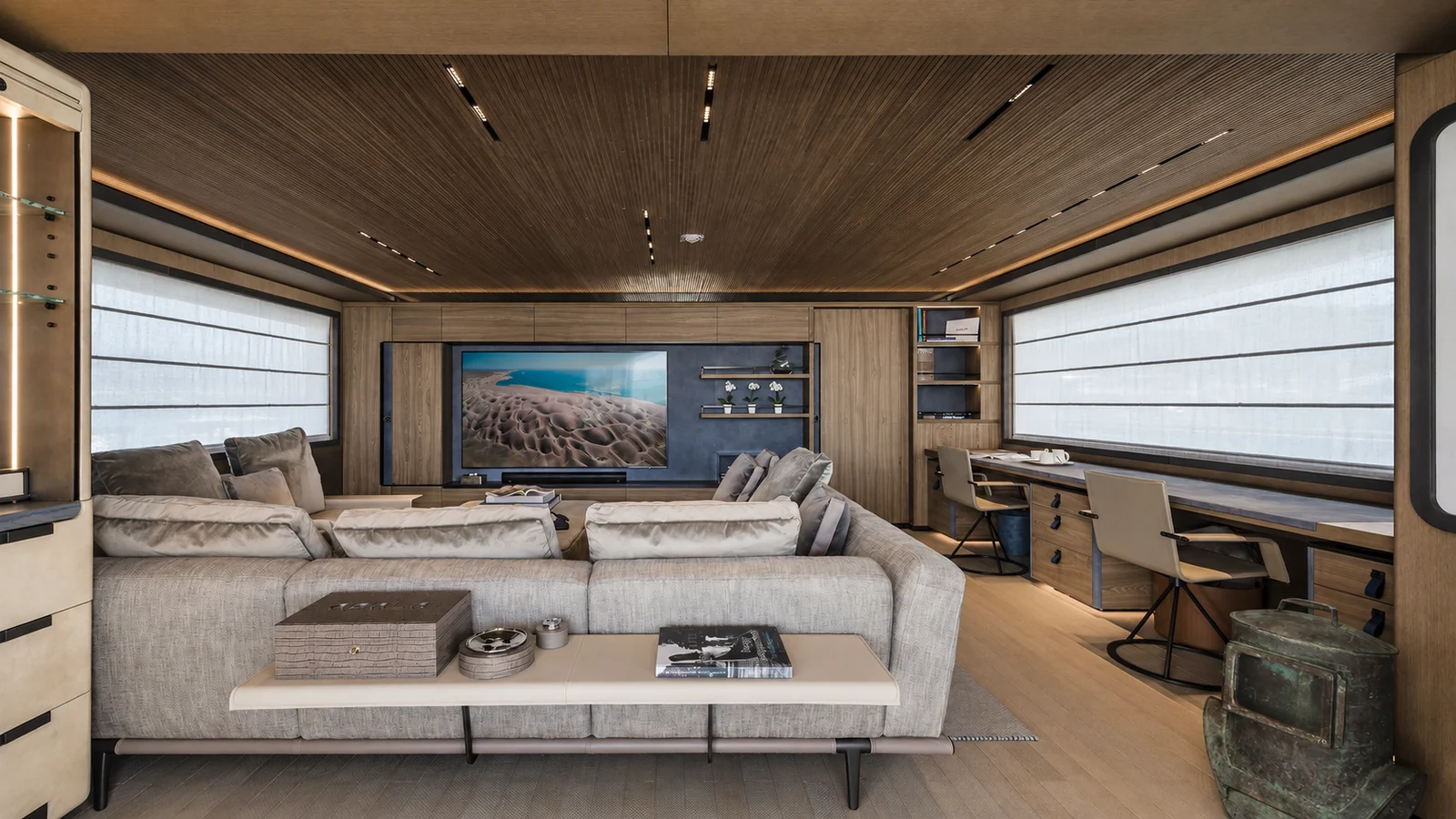
The yacht's living arrangement should support the moment when the company settles. Look at where people move from their passage seats, where drinks or belongings go and how the table becomes ready for lunch. The captain can explain the appropriate arrival and anchoring arrangements for the vessel.
Practical preparation helps the owner enjoy the hours they wanted to preserve. The people supporting the outing should know the meal plan, company and intended use of the spaces. The yacht's galley, storage and seating can then be assessed through that real scene during selection.
Ask which domestic preparation can be agreed before the outing and which tasks remain part of settling at the destination. The people providing the support can explain what is practical for the particular yacht and meal. The owner can then picture the start of lunch with the preparation behind it understood.
The return from activities also belongs in the picture. Guests may come back to the table or choose another seat as the afternoon develops. A yacht with appealing places to spend that settled time gives the anchorage its full value as a destination.
Compare candidates through the same good day
Keep the starting point, company and preferred experience consistent when discussing alternatives. The captain can assess what is appropriate for each vessel, while the owner considers how the journey and stay would feel aboard. Any unresolved technical figures should remain questions for the relevant professionals.
The result should be a convincing picture of the complete outing, with the passage serving the hours you most want to enjoy. A yacht chosen this way brings a particular pleasure within reach: arriving somewhere worthwhile and feeling that the best part of the day is still there to spend.