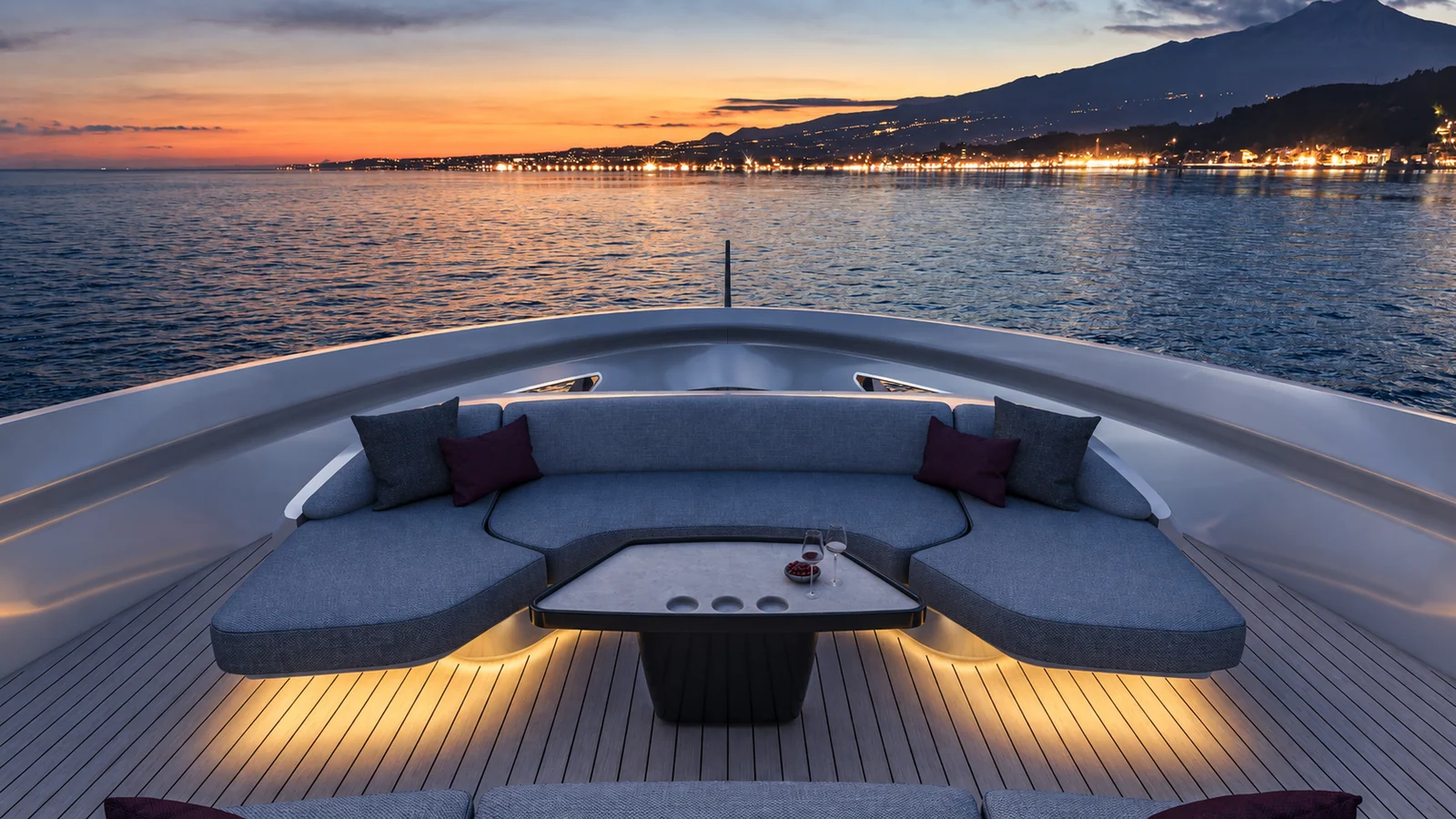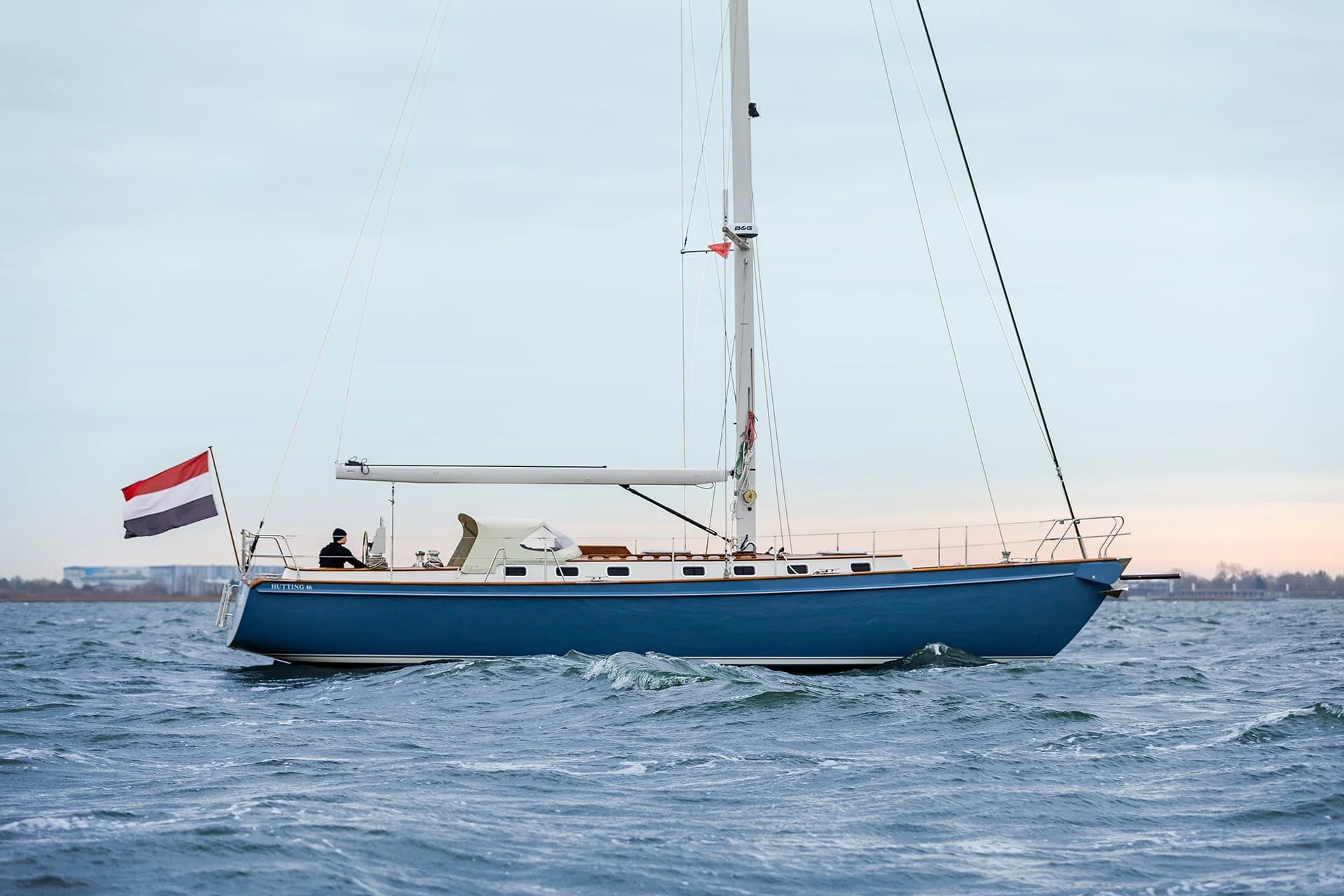
A conversation between two business partners can benefit from a setting that gives it time and attention. Aboard the owner's yacht, there may be a meal to share, a view beyond the table and a quieter rhythm than the ordinary working day. The meeting can remain simple and personal, with the vessel chosen around the experience the host wants to offer.
Business-meeting suitability brings this use into the search, and a chosen length range gives the comparison its scale. The room, seating and intended programme provide the practical setting. The quality of the conversation belongs to the people; the yacht can make their time together comfortable.
Choose a place for a few people to settle
Start with the actual participants and the kind of discussion planned. A relaxed exchange over lunch needs a different arrangement from reviewing documents at a table. Describe those activities so that the interior can be assessed through their use.
The seats should allow people to see and hear one another comfortably. A large table can create a different atmosphere from a smaller setting where everyone is closer. Try the intended positions during a viewing, including the place where papers or devices would sit if they form part of the discussion.
An ordinary example of the material you expect to review can make this assessment tangible. Consider how two people would look at a page or a screen from their proposed positions, with an appropriate place for their own notes. The table then has a specific working role within the visit. Relevant information-handling requirements remain part of the separately agreed meeting arrangements.
The view matters as well. It can give the meeting a distinctive setting and provide a pleasant pause between subjects. Consider what each participant sees from the actual chair, with the room arranged as it would be used. A comfortable place to spend an hour is more informative than a broad impression of interior grandeur.
Give the conversation an appropriate degree of separation
The relationship with other areas affects the atmosphere. A separate saloon may offer a quieter room, while an open arrangement can suit a more informal meal. Look at the routes used by other guests, crew and service providers during the planned visit.
Discuss the host's preferences with the captain. The service arrangement can be developed so the meeting has an understood rhythm, including when food or drinks are offered. Clear preparation helps the owner welcome the participants and remain part of the conversation.
Any information requiring confidentiality needs its own appropriate arrangements through the participants and advisers. The yacht's physical setting can provide separation, while professional, legal and information-security requirements remain specific matters to address. The meeting brief should identify those requirements alongside the physical room.
Match the scale to the intended use
In the LYRA catalogue, the business-meeting parameter introduces candidates for this style of hosting. A chosen length range gives the comparison a practical frame. Within it, assess the actual meeting area and how it relates to the owner's other uses of the yacht.
A small meeting can take place within a larger ownership programme. The yacht may also welcome family, friends and overnight guests at other times. The relevant room should therefore be considered as part of the whole purchase, with a clear role during these particular visits.
This approach gives space a personal measure of value. A table used for business lunches may also be a favourite family gathering place. The owner can identify which features serve both purposes and which are important specifically to the working visit.

Keep the programme comfortable from arrival
Participants should understand the practical plan: how to reach the yacht, what the intended visit includes and the appropriate arrangements for boarding. The captain confirms the vessel's operation and any passage, with the host explaining the atmosphere and activities they want to offer.
For some meetings, a settled harbour visit may provide the right setting. Others may include a suitable passage as part of the day. The choice should follow the purpose of the conversation and the captain's assessment of the actual circumstances.
Consider the transitions around the discussion. People may arrive with a jacket, bag or device and want an appropriate place for those belongings. A comfortable welcome and an understandable layout help the participants settle before the substantive conversation begins.
Let the yacht contribute its own atmosphere
The appeal of hosting aboard often lies in the combination of personal welcome and a distinctive setting. The owner knows the yacht, chooses a place they enjoy and shares it with people whose time matters. Food, the view and the pace of the visit can all support that atmosphere.
When comparing candidates, picture the actual conversation from the participants' seats. The room should feel suitable for the intended group, with the service and operating arrangements understood. Technical questions about the vessel receive their own professional assessment.
A well-chosen yacht gives a small meeting a memorable place without requiring an elaborate occasion. It offers comfortable time together in a setting the owner is pleased to share, adding another meaningful use to the purchase.