The engine room gives a yacht buyer a different view of the vessel. The spaces seen from the quay are supported by machinery, equipment and the people who maintain them. A guided visit can make that practical side of ownership easier to understand, showing where work happens and how the proposed service arrangement relates to the actual yacht.
Propulsion configuration and Recommended Crew provide two useful starting parameters in the LYRA catalogue. They frame the machinery and support conversation. The visit then gives those subjects a physical setting, with access arranged and supervised by the appropriate professionals.
Let the specialist explain the space
Begin with the yard representative, captain or technical specialist identifying the installation. Their explanation should relate to the exact yacht and equipment being offered. The owner can ask how the routine service arrangement is intended to work and which providers or crew roles will be involved.
Access to machinery spaces must be arranged appropriately for the vessel's state and the visit. The professional should determine where the buyer may go and what can be shown. The aim is an informed introduction, with operating and technical procedures left to qualified people.
The owner may find the room more understandable once equipment names are connected to visible locations. A clear drawing or equipment schedule can support the explanation, helping distinguish the current installation from alternatives offered for the model. That knowledge becomes useful later when discussing a service proposal or planned work.
Give maintenance access a place in the comparison
The people servicing the yacht need to reach the relevant equipment under its documented procedures. Ask the specialist to explain the access provided and how the proposed routine work is organised. Their assessment should include the actual installation and any equipment added in the selected specification.
Look at the room as part of the whole yacht. The route used by a professional carrying tools, the place where access opens and the surrounding living areas all form part of the practical arrangement. The buyer can understand that relationship without attempting the technical work themselves.
The visit can also show where the professional’s route meets spaces used by the family. Ask how the proposed service arrangement accounts for those areas and how they are returned to their normal use afterwards. The owner gains a clearer picture of the practical visit as a whole.
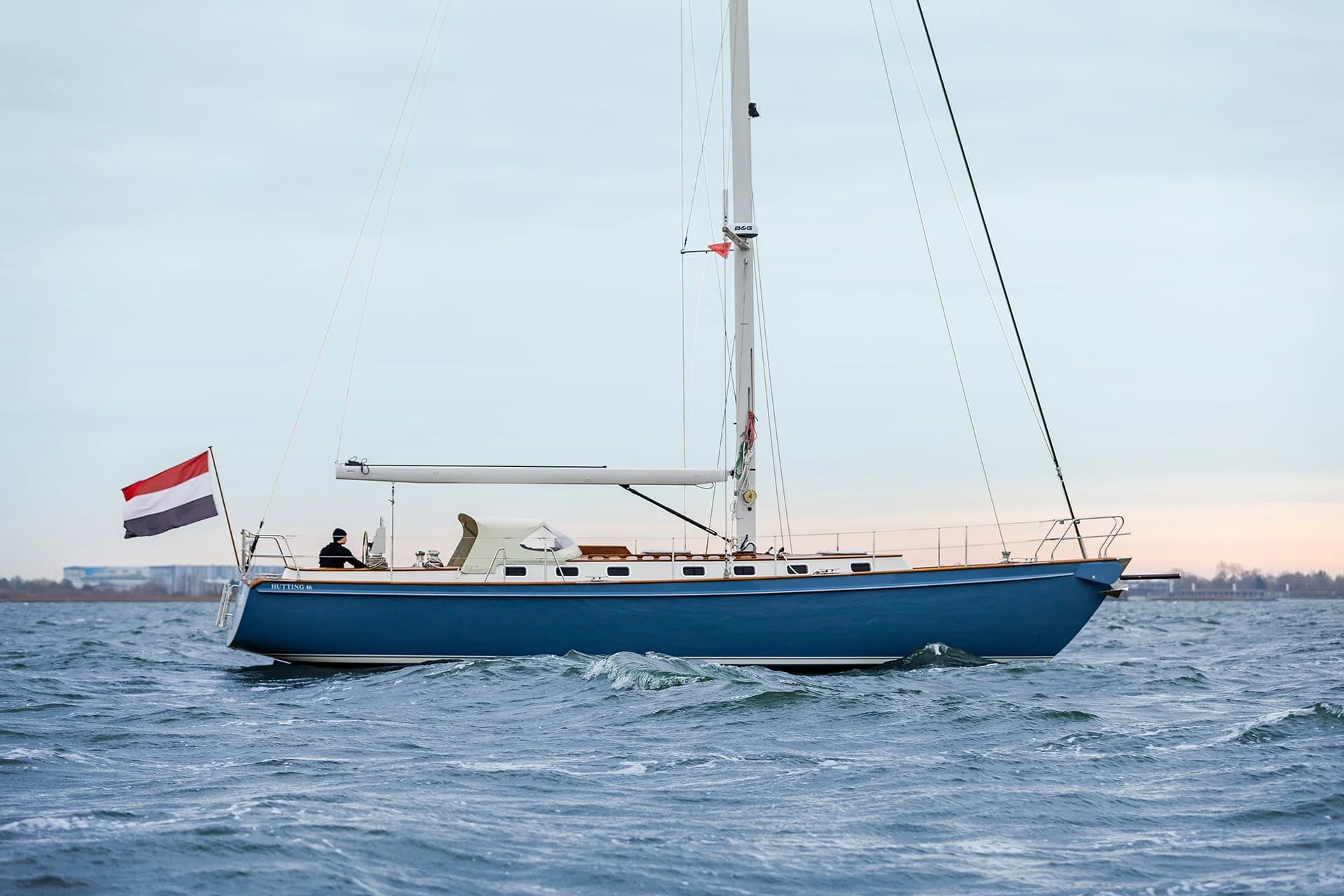
Catalogue examples: the Hutting 46, listed at 13.9 metres, describes multiple access points to its engine room. The Solaris Power 48 Open, listed at 14.86 metres, describes access for maintenance. They illustrate service access as a feature worth investigating in different yacht arrangements.
For individual candidates, the specialist's explanation should be specific about the equipment and tasks concerned. A general description of accessibility becomes more useful when connected to how that yacht will actually be cared for.
Ask the specialist to distinguish access for routine work from access for a larger intervention or equipment replacement. The openings and surrounding spaces involved may differ. The buyer should understand which kind of work the explanation addresses, with any larger requirement assessed through the relevant technical documentation. This gives a maintenance-access description a clear scope within the ownership conversation.
Understand who supports the installation
The proposed ownership arrangement should identify the relevant technical responsibilities. The captain, crew, yard and service providers may each have defined roles, with the actual scope agreed for the yacht and base. The owner needs a clear account of how those people work together.
Recommended Crew introduces a staffing discussion; it does not by itself describe every maintenance task or provider. Ask the responsible professionals to explain the complete arrangement, including how scheduled work and any additional findings will be communicated.
This helps connect the purchase with life between visits. The owner can see who receives reports, who proposes work and how decisions are confirmed. The machinery space becomes part of an understandable service relationship rather than an unfamiliar room below the living areas.

Keep condition assessment in its proper stage
A guided introduction provides useful orientation. The yacht's condition and technical suitability need the appropriate independent inspections and specialist review within the purchase process. The scope should be established for the actual vessel and transaction.
Use the visit to identify questions for that review. A proposed equipment change, an unclear item in the specification or a question about access can be raised precisely once the buyer understands the installation. The relevant professionals can then address it through their evidence and findings.
The final equipment schedule and documentation should describe the yacht the owner will receive. Any agreed changes need to be reflected coherently so that the maintenance arrangement follows the actual installation after handover.
Make the practical side of ownership familiar
By the end of the visit, the owner should have a clearer picture of where service happens and who will support it. That understanding can make later conversations more direct, with technical work connected to the vessel and records you know.
It is a satisfying part of choosing a yacht carefully. The attractive spaces above have a practical foundation, and the buyer can see how that foundation will be cared for. Ownership then has both its pleasures and its supporting organisation in view.