
On a longer voyage, the crew's presence becomes part of the yacht's daily life. Guests enjoy the passage and the places reached, while the team carries out the work that supports the journey. The spaces provided for that team deserve a clear place in selection. They need to be considered through the actual people and programme, alongside the accommodation the owner will enjoy.
Recommended Crew introduces the people supporting the journey; suitability for longer offshore passages gives the travel programme its selection context. The captain and relevant specialists assess the staffing, vessel and facilities required for the actual voyage.
Match the rooms with the proposed team
Begin with the professional staffing assessment. The owner should understand the roles proposed, who will live aboard and how the arrangement supports the programme. The relevant requirements need to be established for the actual vessel and operation.
Place that team in the supplied accommodation plan. Identify the cabins, facilities and appropriate access associated with them. A general room labelled crew should be understood in its actual configuration, including the sleeping places and surrounding spaces the proposed occupants would use.
Keep the proposed crew accommodation identifiable alongside guest rooms in the plan. If a space has alternative uses, confirm which use the purchase proposal assigns to it and how the team will be accommodated throughout the journey. The captain can assess that allocation against the actual programme. The owner can then see one coherent living arrangement rather than counting the same flexible room twice.
The owner can learn a great deal by visiting those areas with the captain or representative. The purpose is to understand how the complete yacht works as a place where people live and carry out their responsibilities. Questions about suitability and compliance belong with the qualified professionals assessing the programme.
Follow the routes through an ordinary day
Crew and guests may use different parts of the yacht at different times. The routes between accommodation, work areas and shared facilities help show how the layout supports that life. During the review, ask the captain to explain the movement appropriate to the proposed arrangement.
Cabin location can be particularly meaningful. A room near frequently used equipment or a busy passage has a particular relationship with the surrounding activity. The professional assessment should address the actual installation and operating routine, while the owner understands the implications for the complete household aboard.
A visit to these spaces should respect the people already using them, with access agreed through the captain or representative. Their explanation can identify the room’s relationship with surrounding activity and the facilities available to its occupants. This keeps the review focused on a real place where crew members will live as well as work.
Catalogue example: the ICE 66 RS, listed at 19.9 metres, describes a crew cabin near amidships. It illustrates cabin position as a specific feature to examine in the layout. The suitability of the full accommodation arrangement for a particular team and voyage needs its own professional assessment.
Across candidates, compare the spaces through the same proposed programme. This keeps the discussion focused on a real team rather than a nominal room count. The owner can see how each plan would support the people accompanying the journey.
Give daily life a complete arrangement
Accommodation includes ordinary needs beyond a berth. The proposed team needs appropriate facilities for personal belongings, meals and the daily routines associated with living aboard. The captain should assess these alongside the work and applicable operating requirements.
The relevant spaces may be distributed differently across yachts. Some arrangements provide more defined separation; others organise several functions within a compact area. The yard and professional team can explain how the actual layout serves the intended use.
This matters to guest experience as well. A coherent household gives service and operation a practical foundation, with the right spaces available to the people doing the work. The owner benefits from understanding that foundation before the purchase is fixed.
In the LYRA catalogue, the crew reference and offshore suitability information begin the selection. The next stage should connect those entries to the exact specification and professional plan. A model's general description cannot describe every possible staffing arrangement.
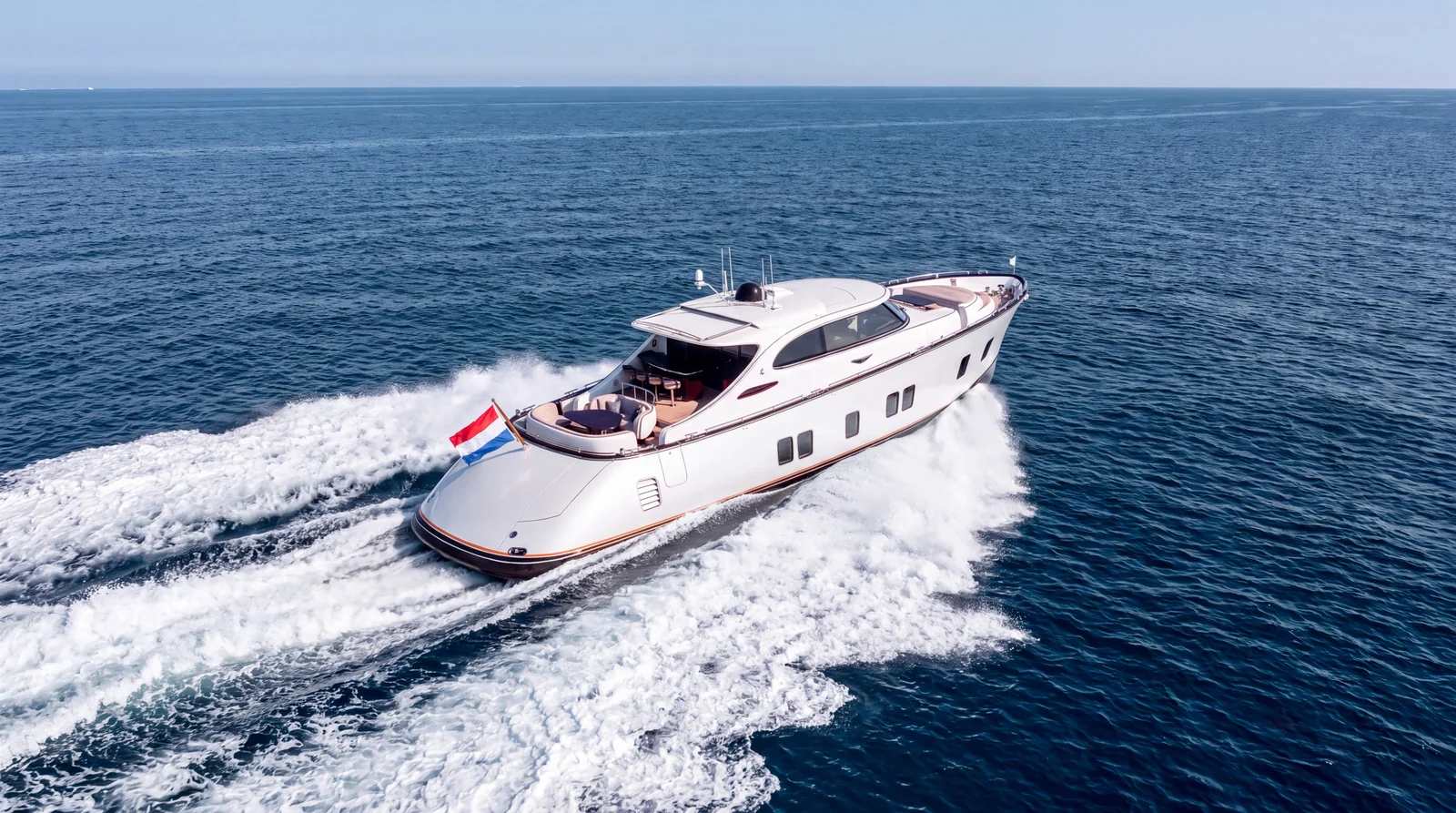
Include the team in the purchase review
Where the captain or other relevant professionals are involved early, their observations can help assess access, accommodation and working spaces together. They may identify questions that are less visible during a guest-focused tour. Those points should be addressed through the appropriate technical and operational review.
For a new build, the confirmed layout and equipment should reflect the agreed programme. For an existing yacht, establish the actual arrangement and any proposed changes before relying on a different plan. The owner should be able to see how the vessel being purchased will accommodate the intended team.
The same clarity should carry into handover. The relevant documentation, familiarisation and household arrangements need to support the people who will join the yacht. The owner can then look forward to a longer journey with its practical organisation understood.
A well-run voyage depends on the vessel and the people aboard it. Giving crew space its proper place in selection brings both into the purchase picture, helping the yacht become a coherent setting for the journey everyone is preparing to make.