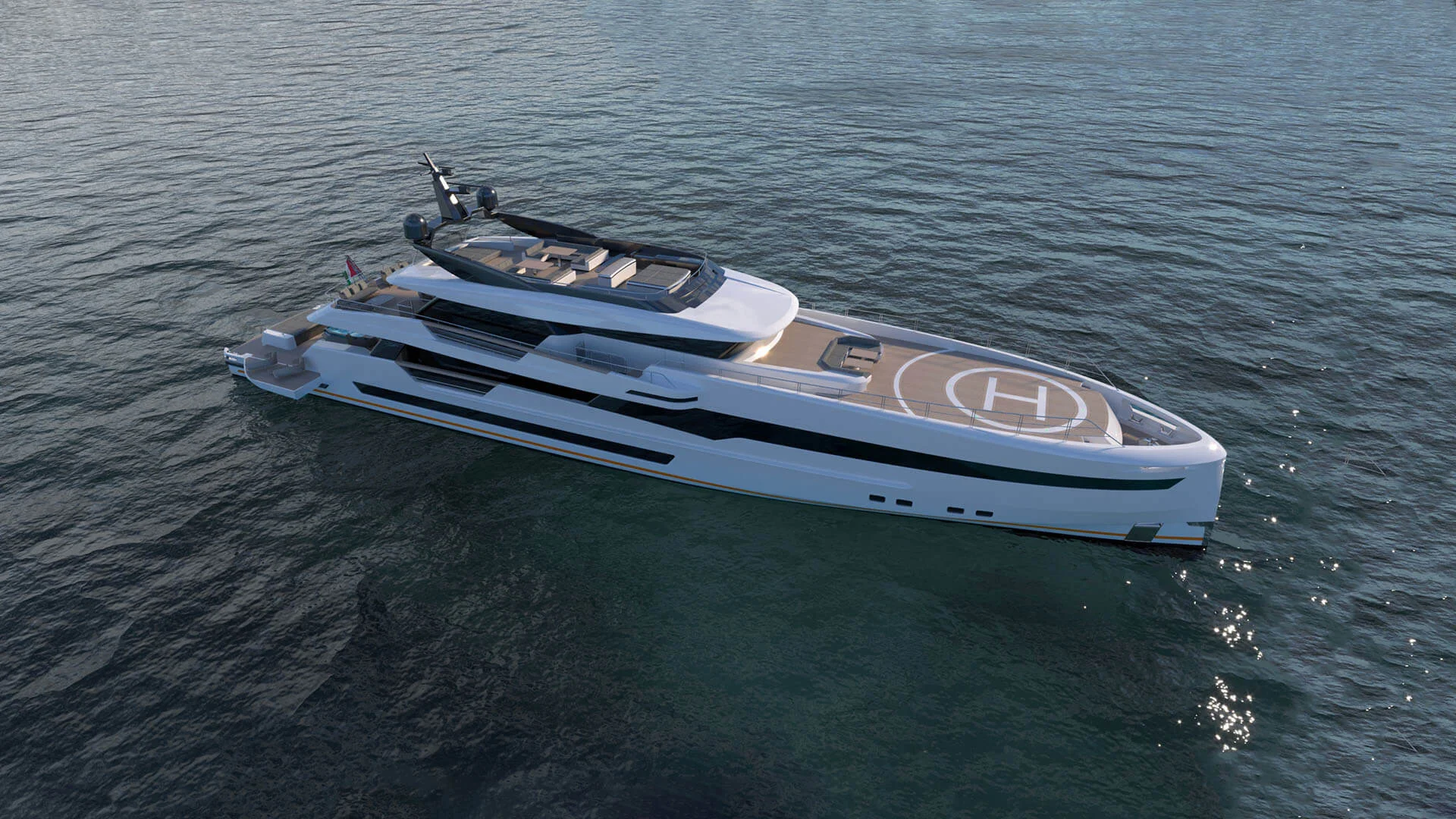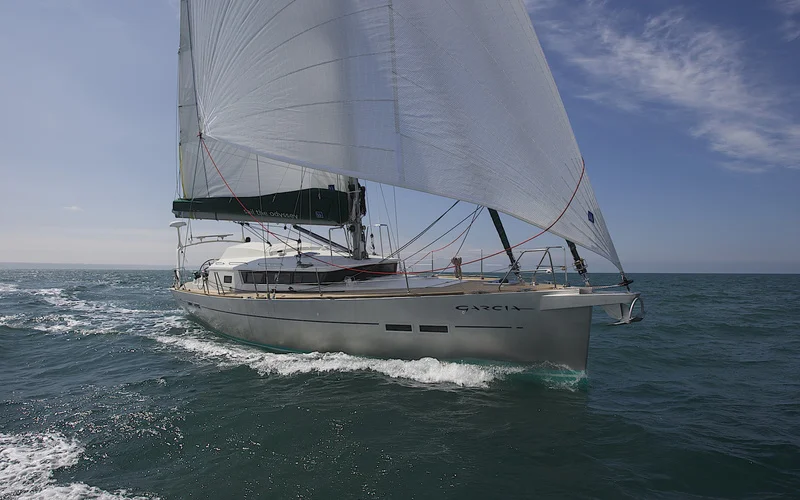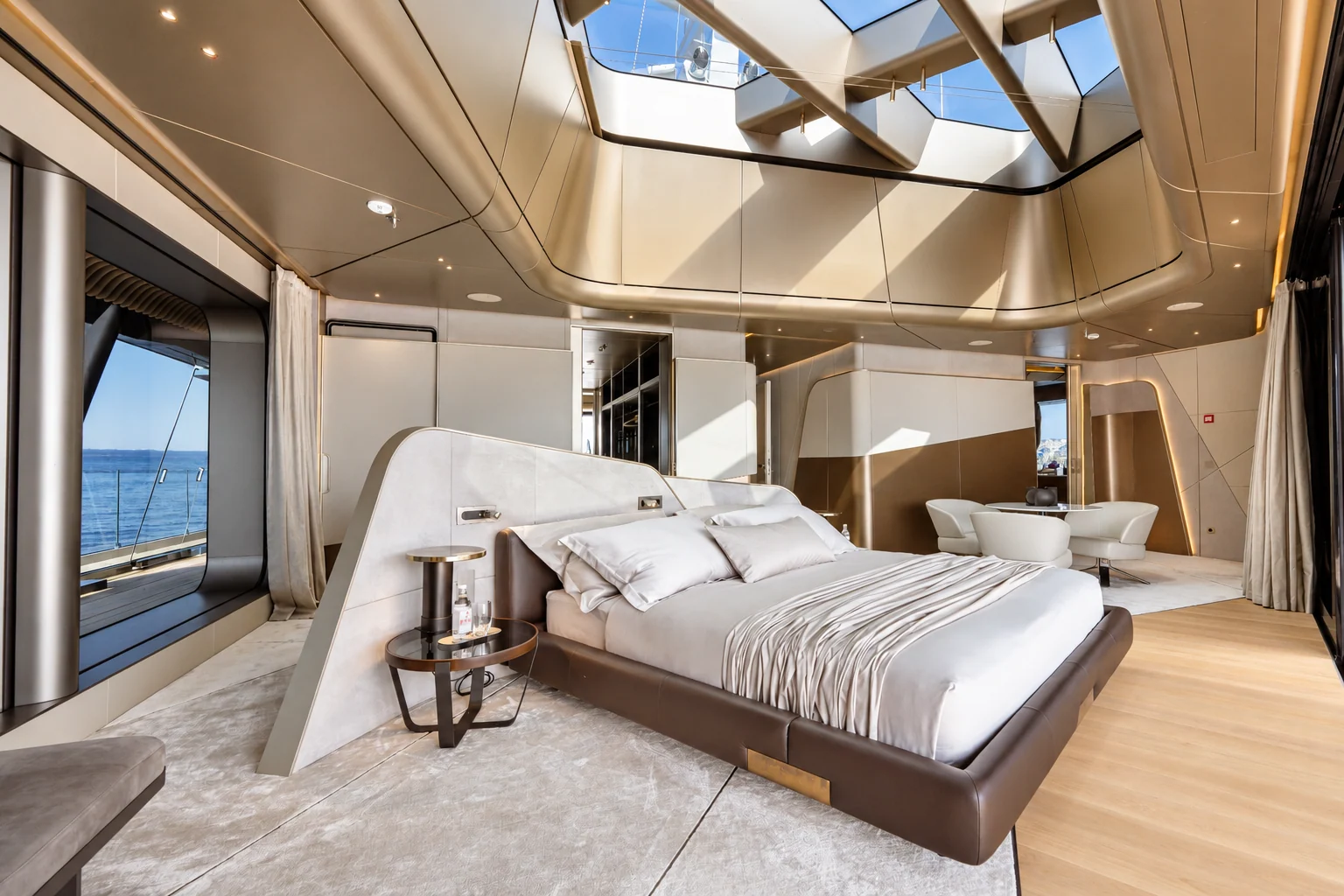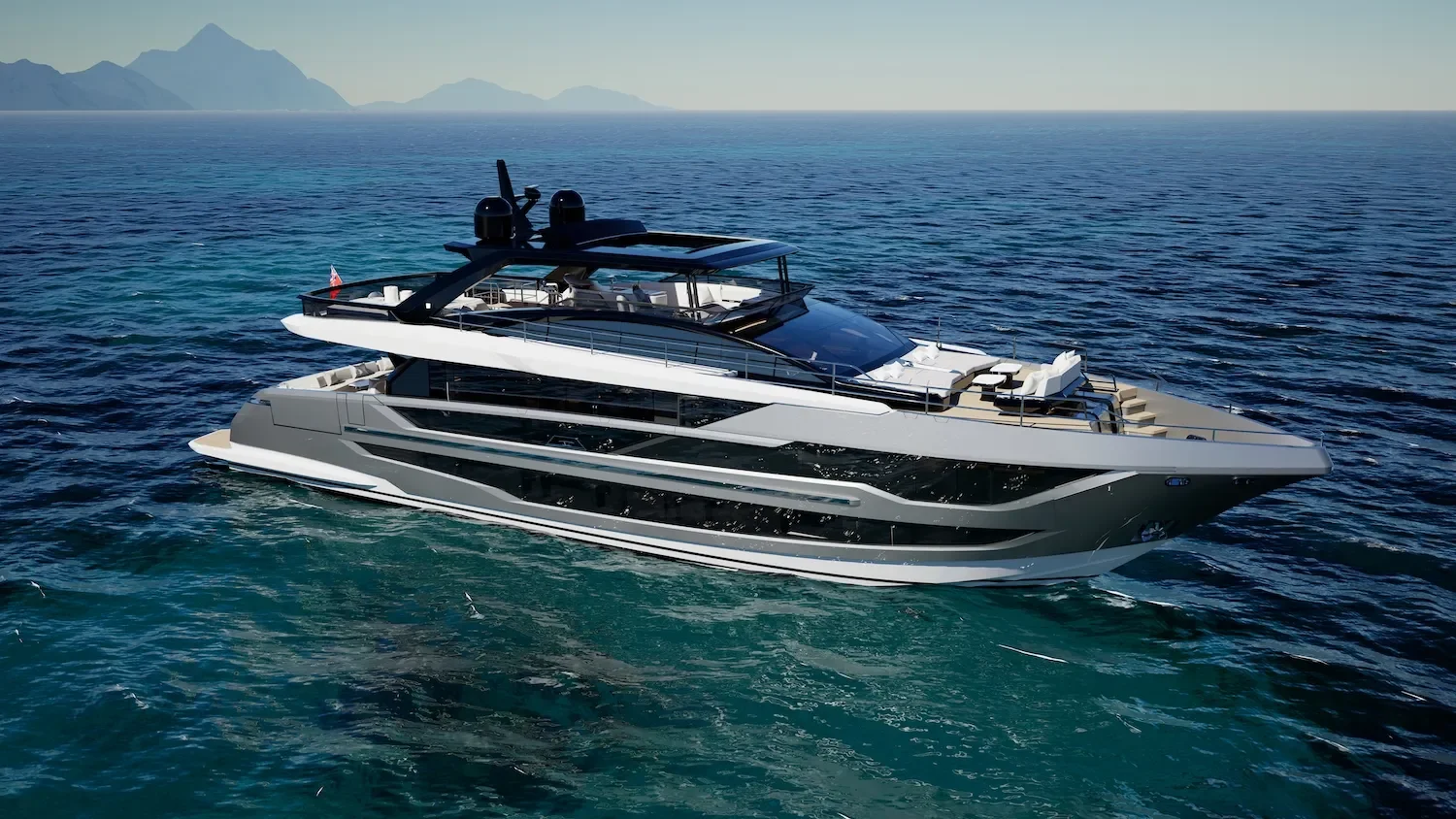
A yacht described as hybrid can attract an owner interested in a particular kind of life on the water. The passage has its technology story, while the stay at anchor contains ordinary comforts: a meal, pleasant rooms and the household equipment used through the day. The purchase should explain both through the actual installation being offered.
Propulsion configuration and Liveaboard suitability are useful catalogue starting points. The household energy arrangement needs its own confirmed description. The captain, yard and technical specialists should establish how the yacht's actual systems support the intended stay and the conditions under which they operate.
Describe the day you want the systems to serve
Begin with the company and the household routine. Which rooms will be used, what meals are prepared and which facilities are important during the stay? The owner can explain those preferences in ordinary terms so the professionals assess a recognisable use rather than an undefined wish for autonomy.
Cooling, refrigeration and the other installed domestic equipment should be identified in the actual proposal. Their relevant requirements belong in the technical assessment of the complete vessel. The owner should understand which features are included and how the proposed arrangement supports them.
Give the technical team a picture of facilities the household hopes to use during the same period. One person may be preparing a meal while others enjoy the saloon and its installed comforts. The yard can explain how that proposed combination relates to the supplied system and its documented conditions. An account of one appliance alone describes a narrower question than the complete household scene the owner wants assessed. The distinction helps everyone discuss the same intended stay. Record the equipment included in that scene beside the configuration assessed by the technical team, so later appliance substitutions remain visible in the same review.
This keeps the discussion connected to comfort. The attractive outcome is a day aboard that feels personal and well prepared, with the technical explanation showing what makes it possible. A general label becomes more useful when the owner can connect it to the facilities they will actually enjoy.
Read the propulsion description within its scope
The model name or marketing text may refer to hybrid propulsion. The exact system and supplied configuration should be established through the equipment schedule and relevant technical documents. The representative should explain how the demonstrated yacht relates to the offer.
Catalogue example: the Pearl 100 Hybrid, listed at 29.43 metres, describes a hybrid propulsion system. It illustrates a model carrying that label. The entry does not by itself establish the complete household power capabilities for a particular period at anchor; those belong in the actual vessel's technical assessment.
In the LYRA catalogue, the propulsion information introduces the machinery discussion. The owner should keep the exact installation and any descriptive labels identifiable rather than infer a separate catalogue filter or an unconfirmed operating mode. The technical team can explain the relationship between the systems in the actual yacht.
Liveaboard suitability supplies another use-related reference. It brings attention to the domestic facilities and repeated hours aboard, while the individual specification gives the detail. Both subjects should inform the same purchase with their proper scope clear.
Ask for an intelligible household operating picture
The qualified specialists should explain the actual sources and arrangement supplying the domestic systems, using the vessel's documents and intended programme. The owner needs a clear account of the capabilities and relevant conditions, with any unresolved information identified for review.
The proposed experience may involve specific modes or equipment arrangements. Their scope must be established for the supplied vessel rather than assumed from the word hybrid. Any claim about duration, sound or use should have appropriate evidence and a defined basis in the purchase assessment.
Where practical, a suitable demonstration can address the personal experience of the rooms and the installed equipment. The captain determines the appropriate operation, while specialists assess the technical matters. The owner can describe comfort from the actual seats and spaces they will use.
Keep the trial configuration identifiable. The observations should refer to the equipment, conditions and yacht demonstrated, with differences from the offer explained. This gives the owner a useful basis for comparison without turning one impression into a universal promise.
Connect the proposal with the complete stay
The captain should assess the intended programme and the vessel's relevant operating and replenishment requirements. The owner's preferences help define the comfort being sought, while qualified professionals establish the actual plan. The household systems belong within that complete arrangement.
The final specification should preserve the selected installation and domestic equipment. If either changes, the relevant assessment should follow the revised package. The owner should know which arrangement the purchase will deliver and what familiarisation and documentation accompany it.
The pleasure of a stay at anchor comes through the life the yacht supports. A clear technical picture lets the owner understand that life in the actual vessel, with the propulsion label and household experience connected through evidence. The purchase can then serve the comfortable days aboard that made the technology interesting in the first place.