Some destinations reward time spent looking. The shape of the shoreline changes as the yacht moves, light reveals another part of the landscape and the company settles into the view. Much of the experience may happen aboard, with the vessel providing the place from which you came to see the coast.
For that kind of journey, the observation seat belongs in the purchase brief. Expedition suitability frames the remote programme, while climate suitability introduces the intended conditions. The actual view, shelter and rooms determine how inviting the hours of watching will feel to the people travelling.
Find the view from the place you will stay
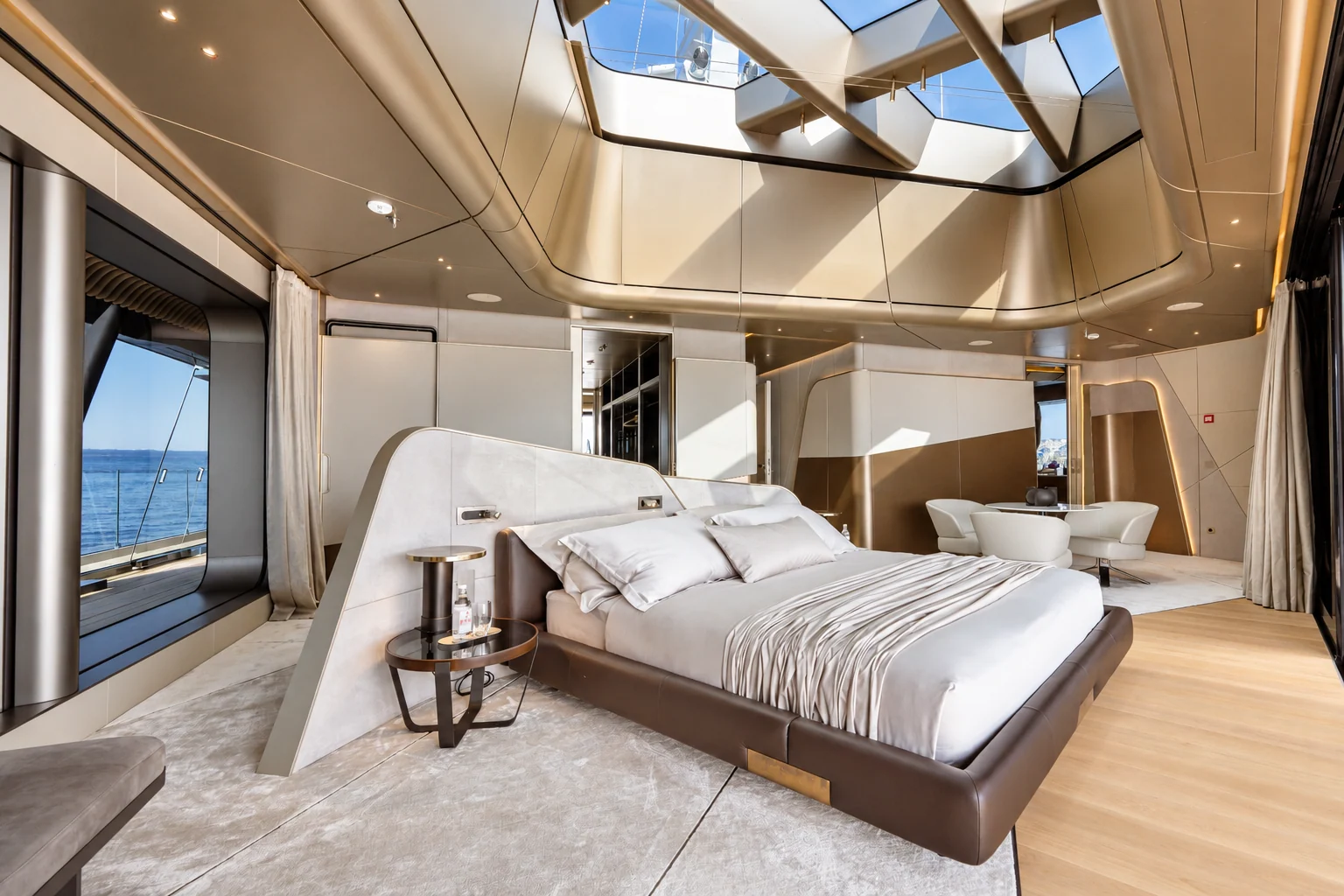
A large window has a different meaning when you sit beside it for a while. The lower edge, furniture and normal seated position shape what you see. During a viewing, try the places where you would read, talk or spend an unhurried hour with the landscape outside.
If you hope to share the view with a companion, try the adjacent intended seats during the agreed viewing. Each person can describe what they see from their own position and how naturally they would talk about it together. A window shown alone in a photograph gives little sense of that shared experience. The relationship between two occupied seats, their table and the actual glazing can make the interior feel personal to the people travelling.
The company may value different positions. One person enjoys a table where conversation continues, while another prefers a quieter chair slightly apart. The yacht should offer appealing places within the areas appropriate for use under the captain's arrangements. The owner can identify which of those settings belongs in the journey they imagine.
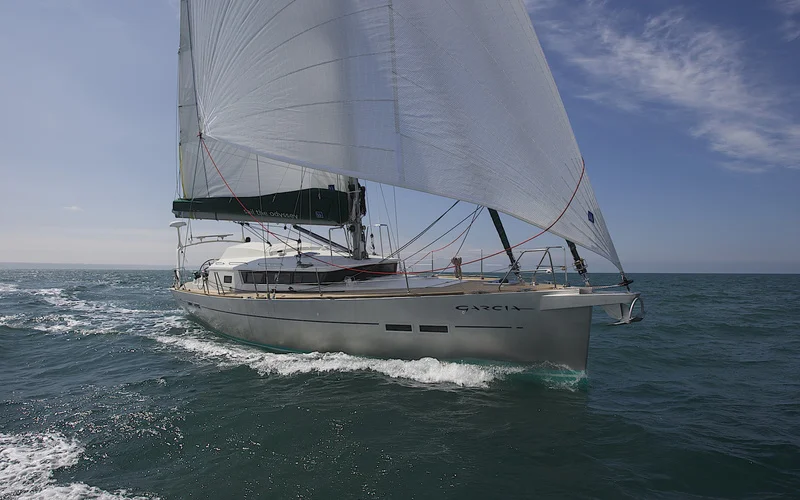
Catalogue interior example: the Garcia Exploration 45, listed at 13.49 metres, describes large windows and hull portholes within a deck-saloon layout. It illustrates a protected interior connection with the surroundings to explore in the actual yacht. The vessel and proposed expedition require their own professional assessment.
The useful observation concerns the room you experience, rather than a broad promise of visibility. Sit with the furniture in its normal arrangement and look from the positions you would actually occupy. A particularly satisfying view can give a cabin or saloon a clear place in the ownership decision.
Give shelter a relationship with the landscape
The intended region and season should be explained to the captain, yard and relevant specialists. They can assess the vessel, installed systems and appropriate operation for the actual programme. The owner's preferences give that work its personal purpose: comfortable time in places worth watching.
Protected rooms can let the company remain connected with the setting while enjoying an interior atmosphere. Their light, seating and relationship with other spaces matter alongside the equipment. The owner should understand the supplied configuration and experience it where an appropriate demonstration is available.
In the LYRA catalogue, expedition and climate suitability help identify a relevant field. The exact yacht and professionally developed programme supply the next evidence. A broad marker should lead to specific assessment of the vessel and the people travelling, with the personal view kept visible in the brief.
An outside area may offer another perspective when the captain confirms its appropriate use. Consider how the guest moves between that place and the protected room. The ability to choose a comfortable setting can contribute to the experience without making every part of the day depend on one seat.
Let the household support time with the view
Longer observation periods still contain ordinary needs. A drink, a book and the route to the facilities give the room a lived character. Suitable surfaces and storage can make a seat feel settled, with personal items placed conveniently through the household arrangement.
Meals can become part of the same experience. A table with a pleasant outlook gives the company a reason to remain together while the surroundings change. The galley and service plan should support the actual meals intended, with the relevant people contributing to the purchase assessment.
The rooms also need to accommodate different rhythms. Someone may want quiet time while others talk about what they are seeing. Place the actual company in the layout and consider where each person would be comfortable over a longer stay. The atmosphere matters because it is the setting in which the destination will be remembered.
Keep the programme and the experience connected
The captain and expedition specialists should establish the appropriate route, access and operating decisions for the actual journey. The owner can describe which landscapes and kinds of time aboard make the trip appealing. The yacht is selected around that real ambition, with its technical suitability reviewed by the appropriate professionals.
Any landing or other activity belongs within that specific plan. The experience from the yacht has a value of its own and should be considered clearly in the purchase, including the days when the company will spend much of its time aboard. The accommodation and shared rooms should remain inviting through those periods.
When comparing candidates, return to the seat from which you would enjoy the coast. Describe the view, comfort and relationship with the company alongside the professional findings. Those concrete observations can explain why one layout feels especially right for the journey.
A yacht can give a remote destination a personal place to be experienced. The company has familiar rooms, the view remains present and the hours aboard become part of the attraction. Choosing those spaces thoughtfully lets the landscape enter the ordinary pleasures of the stay.