In a family that uses its yacht regularly, one person often knows the little things by heart. They know where the spare jackets live, how a familiar day is prepared and whom to call about an ordinary service question. Much of that knowledge is acquired quietly through enjoyable repetition.
When another adult wants to become more involved, there is an opportunity to share the yacht more fully. The useful task is to distinguish personal familiarity from the competence and authority needed to operate the vessel. Both deserve a proper place in the introduction.
Family suitability and Single-Handed Operation can help frame the desired participation during selection. Once the yacht is owned, the actual equipment, professional arrangements and people involved determine how that participation develops.
Begin with the knowledge that lives in conversation
Some of the most valuable information is easy to overlook because it feels obvious to the person who knows it. Where do visiting friends usually board? Which belongings are kept aboard? Who prepares the yacht before a family weekend? Which service contact understands a particular installation?
A new participant can learn these things through an ordinary visit. Walk through the day together, from arrival to the point when the yacht is left ready for the next use. The conversation often reveals assumptions that have never needed to be spoken aloud.
Keep the explanations specific to the vessel. A useful introduction identifies the actual place, person or current record. It also makes clear where a personal habit differs from an instruction that comes from the operator, manufacturer or another appropriate authority.
Give practical responsibility a clear boundary
Enjoying a yacht as a guest is different from taking responsibility for a task aboard. The family should understand which activities the new participant wants to learn and what professional familiarisation or qualifications are required for the intended role.
The responsible operator and appropriate advisers can establish those requirements for the exact yacht, use and location. A family relationship or a catalogue suitability signal cannot provide that assessment.
There is plenty of room for meaningful involvement within a well-defined arrangement. Someone may begin by understanding how guest preparation is coordinated, learning the layout or taking part in suitable tasks under professional guidance. Another may pursue the training needed for a larger operating role.
The introduction becomes more enjoyable when expectations are open. The new participant can ask questions without feeling they ought already to know the yacht, and the experienced family member can share familiar details without being expected to provide specialist instruction outside their competence.
Let the new participant describe the familiar day in their own words. They may have understood where belongings go while still being unsure who coordinates preparation or answers a service question. That conversation helps identify the information they need next. Any assessment of practical competence remains with the appropriately qualified person for the role being considered; the family discussion makes the household's own routines easier to understand.
Let the yacht's records support its family memory
Personal knowledge becomes more dependable when it points towards current records. The people involved should be able to find applicable equipment information, service contacts and the arrangements agreed with any captain or manager.
This matters especially after changes. A familiar explanation may refer to an earlier control, a replaced component or a service arrangement that has moved on. Linking the introduction to the actual installed configuration helps keep useful knowledge current.
The family's own preferences can remain simple. A short note about ordinary guest arrangements or where personal items belong may save repeated questions. Technical instructions and sensitive records should remain in the appropriate places, accessible to the people who need them.
The aim is a shared understanding of the yacht, supported by applicable records and the family's practical familiarity. Those sources have distinct roles and can reinforce one another when their purposes are clear.
Two family-oriented examples with different operating characters
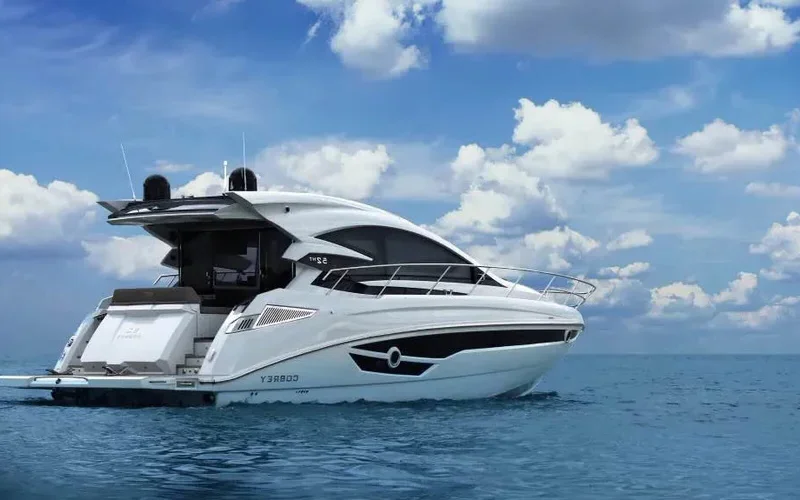
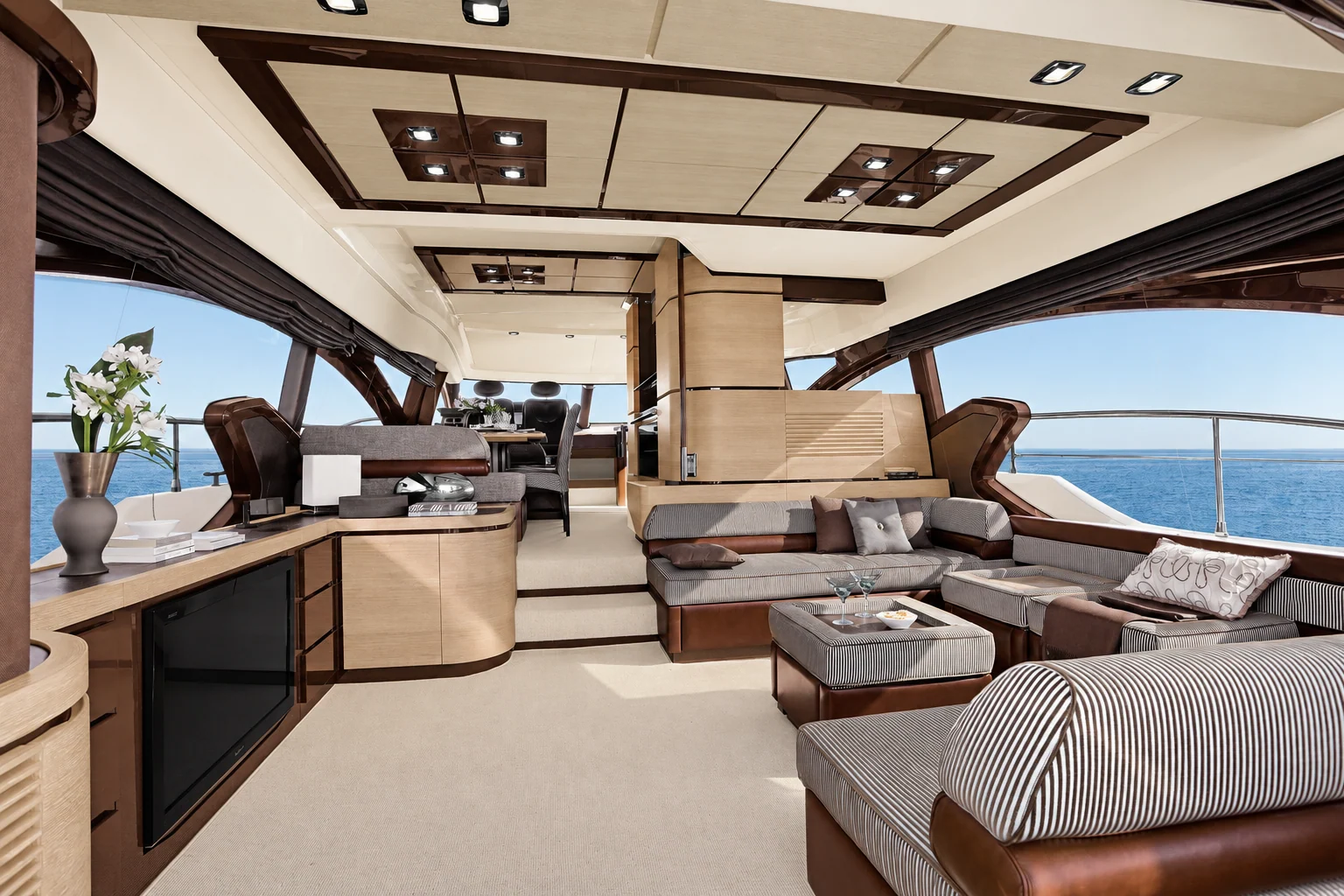
The sailing Hanse 510, listed at 15.97 metres, and motor Say 52, listed at 15.95 metres, are examples whose catalogue records include Family and Single-Handed Operation signals.
Their similar scale helps illustrate a useful distinction. Family involvement can be valuable in different yacht categories, while the knowledge needed for the particular vessel remains specific. On yachts in either segment, the relevant professional should connect any intended operating role to the actual systems and the individual's preparation.
The LYRA catalogue can introduce that variety. The family's task is to decide how its members would like to participate and then give each role a suitable route into practice.
Leave room for another way of enjoying the same yacht
The next adult participant may love a different part of yacht life. One person enjoys preparing a quiet morning departure; another becomes a generous host or develops an interest in longer coastal trips. Shared knowledge gives those interests somewhere to begin.
A family can preserve its familiar rituals while allowing new ones to form. With responsibilities clear and the right professional support in place, the yacht becomes easier for more people to understand and enjoy. The memories continue to grow, supported by practical knowledge that belongs to the family as well as the vessel.