A number in a yacht's name is easy to remember. It becomes part of how buyers discuss candidates, search for photographs and recognise a design. The listed length is another piece of information, with its own role in comparing size and preparing the purchase. Reading both clearly helps keep an appealing name connected to the actual vessel.
The model identifies the design being explored. Length overall provides the stated size reference, followed by confirmation of the exact vessel’s dimensions where they matter to the transaction. Reading those two catalogue fields together keeps identity and measurement clear.
Give the name and measurement separate jobs
A model name belongs to the builder's range and naming system. It helps identify the yacht in documents and conversations, often alongside a version or other distinguishing term. Preserve that complete identity when comparing offers so the relevant design remains clear.
If a conversation uses a shortened name, return to the full model and version in the proposal. A suffix or other identifying term may distinguish the entry being discussed, and the representative can explain its meaning for that builder. Keeping it in the comparison helps the adviser connect the right catalogue entry, photographs and drawings with the yacht you are considering.
The catalogue's length entry has a different purpose. It lets buyers compare a stated dimension across candidates in the same unit. Use that measurement when organising a size range rather than assuming the model number supplies it directly.
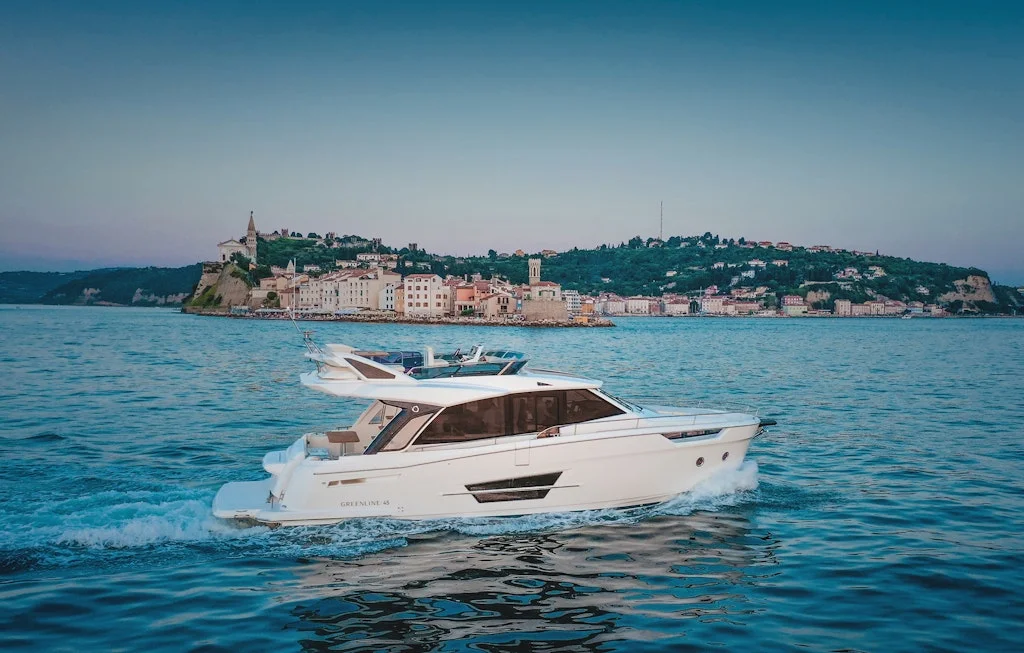
Catalogue examples: the Greenline 45 Fly is listed at 15.57 metres. The Riva 76' Perseo Super is listed at 23.25 metres, while the WiderCat 76 is listed at 23.12 metres. These examples show model names and stated lengths as distinct entries, including different measurements beside the same number in two names.
The useful lesson is to keep the exact model identity and dimension together. The buyer can then recognise the design while using an explicit measurement to understand its place within the selected market.
Compare candidates in the same unit
The LYRA catalogue provides model and length information for that initial comparison. Confirm which unit is being used in the material under review, especially when documents from different sources accompany a proposal. The stated value should retain its unit wherever it is recorded.
Keep the source of that value visible as well. A catalogue entry, a drawing and a vessel document each have an identifiable reference and version. If a rounded size is used for a quick comparison, retain the original stated value beside it. The technical team can then address any difference through the documents relevant to the actual decision.
A simple purchase note can preserve the full model name, version and listed dimension. This makes later conversations easier to follow when several candidates have similar numbers or related names. It also helps connect the catalogue entry with the drawing and offer supplied by the representative.
A buyer can understand the actual size comparison through the explicit measurements, while the model name continues to identify the design. Each piece of information does useful work.
Follow the catalogue entry into the offered vessel
Once a candidate becomes serious, establish the exact configuration and documentation for the yacht being purchased. The representative should identify the relevant drawings and dimensions, with technical specialists confirming the information needed for the intended use.
Different measurements can appear in vessel documents for different purposes. The appropriate professionals should explain which definition applies to the question being addressed. A berth assessment or other specific arrangement needs the dimensions relevant to that actual decision, rather than an assumption based on a name.
The owner can keep the process straightforward by asking for the dimension and its basis to remain identifiable. The relevant drawing, version and measurement should describe the same yacht. That gives the purchase a coherent reference as options or equipment choices develop.

Let the rooms explain what the size provides
The stated length organises the field, while the layout shows how the yacht uses its space. Cabins, social areas and practical routes can differ substantially between candidates with similar dimensions. The owner's personal brief should guide that next comparison.
During viewings, place the actual company in the rooms and consider the activities the yacht will support. A model's familiar number may have attracted attention, but the useful experience comes from the spaces people will inhabit. Record those observations alongside the dimensions and professional findings.
This also helps explain the appeal of a particular candidate. The owner can describe the comfortable table, suitable accommodation or convenient route that makes the yacht feel right. The choice becomes connected to a recognisable life aboard as well as a clear size reference.
Keep the purchase identity consistent
The final proposal should preserve the full yacht identity and the relevant confirmed dimensions in its supporting documents. If the configuration changes, the representative and specialists should explain any implications and update the appropriate records.
Clear naming and measurement make the search easier to understand from the first catalogue comparison to the final offer. The model remains memorable, the size has an explicit basis and the owner can focus on the experiences the yacht will make possible.