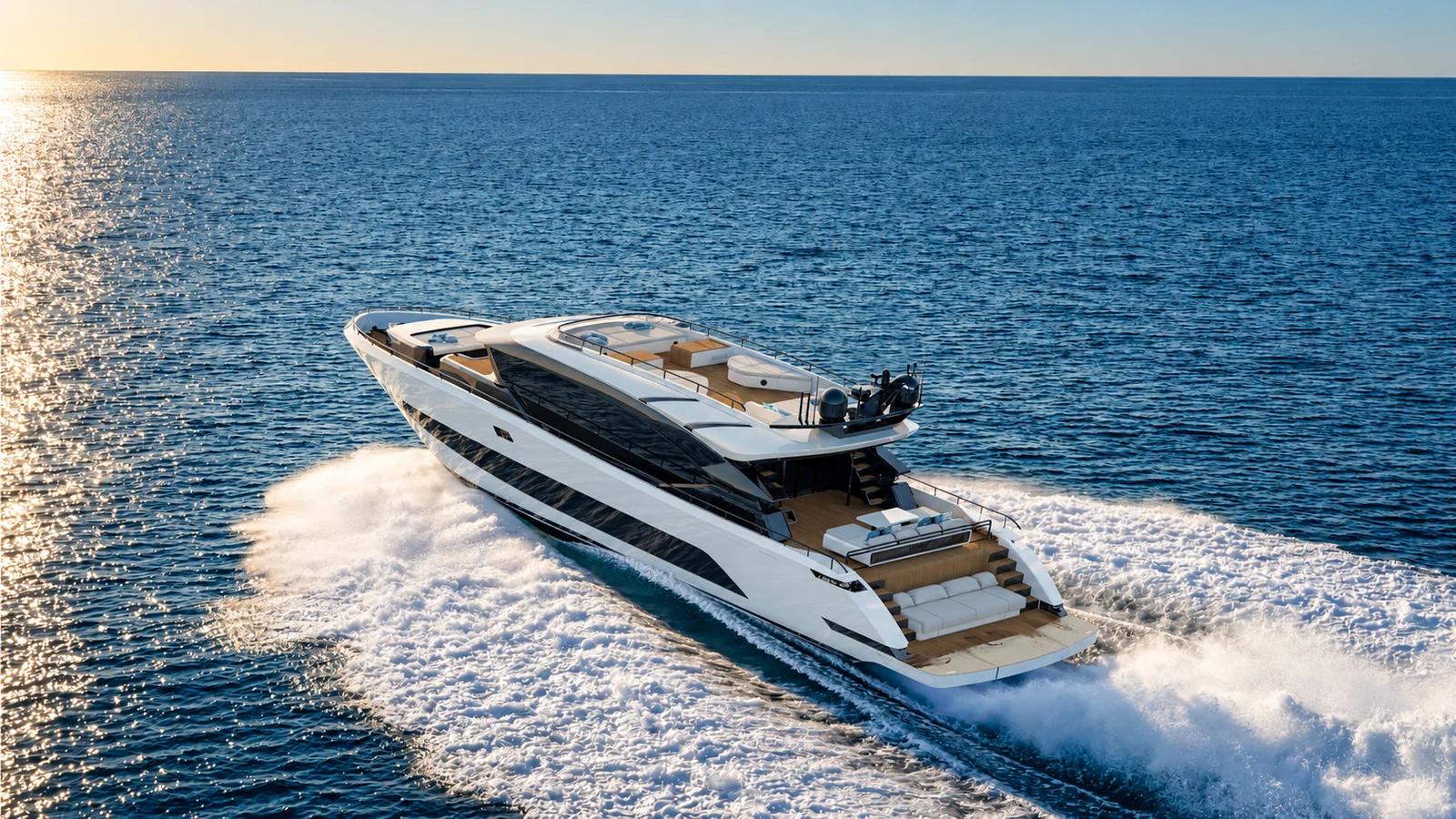
An expedition programme can take you towards places chosen for their distance from familiar routines. The yacht provides a personal setting for that experience, with the accommodation and outdoor spaces that make the journey appealing. Behind them sits the technical organisation supporting the boat.
For a remote itinerary, ask how that organisation is reflected in the spaces aboard. Relevant supplies, documentation and working areas should have an understood place within a plan developed by qualified people for the yacht and route.
Expedition suitability and recommended crew are useful starting criteria in the LYRA catalogue. The first introduces the intended type of programme; the second opens the staffing discussion. Neither describes a complete technical-support arrangement for an individual journey.
Build the support brief around the installed equipment
The useful starting point is an identified account of the yacht's systems and their current condition. The responsible technical specialists can assess the equipment against the proposed programme, using the relevant manufacturer information and service records.
They should determine which supplies and spares belong in the plan. A general expedition list may provide a discussion topic, while the actual inventory must correspond to the products and configuration aboard. The owner should understand who has assessed it and what programme the assessment addresses.
This gives the preparation a clear basis. Items are carried because the qualified team has identified their role within the support plan, with the applicable information available to those responsible for the equipment.
The destination and timing belong in the same conversation. The relevant professionals should establish the support available along the intended route and explain how that relates to the onboard provision. Current local arrangements need their own confirmation for the programme.
See where the work is intended to happen
Ask the yacht team to show the spaces intended for the technical activities contemplated by the plan. Their suitability needs assessment by the people qualified to undertake or oversee that work. The discussion should distinguish what can appropriately happen aboard from matters requiring other facilities or assistance.
For an owner viewing the yacht, the practical question is how the proposed work area exists within the boat. Its position, access and relationship with the installed equipment should be understandable. The technical team can explain the relevant provision and its limits.
A space described as storage has a different function from a place assessed for particular technical work. Establish the intended use of each in the actual configuration. Drawings and a guided inspection can help connect the description with the boat you are considering.
The LYRA catalogue provides an introduction to expedition-oriented yachts. The detailed support assessment should follow the individual vessel, rather than assuming the category supplies a workshop or a particular repair capability.
Give the inventory a usable arrangement
Supplies become more useful to the team when they can be identified and located within the agreed system. Ask how the relevant inventory will be recorded, where items are intended to be kept and who maintains that information during ownership.
The storage arrangement should be assessed for the actual items and their manufacturer requirements. The technical team can explain the proposed locations and any conditions that matter to the supplies being carried. The owner needs a clear account of the arrangement, rather than an unqualified impression of abundant space.
Compatibility also needs to remain visible when equipment changes. A revised installation may call for a review of associated documentation and spares by the responsible specialists. The inventory should continue to describe the boat as she actually stands.
An item used during service should leave a clear change in that record through the responsible person. A replacement ordered for later receipt has a different status from a part already identified aboard. Keeping those states distinguishable helps the technical team begin the next preparation with an accurate account of the supplies actually available.
The proposed storage locations should remain identifiable on the current plan, so the specialists can relate the stock record to the actual compartments they have assessed.
Connect the spaces with qualified responsibilities
The recommended-crew figure in the catalogue is a broad reference. The staffing and professional competencies required for the remote programme must be established through a specific assessment of the yacht and intended voyage.
Ask who is responsible for technical oversight and how specialist assistance is arranged within the agreed plan. The presence of parts and a working surface does not define what any particular person is qualified or authorised to do. Responsibilities should be clear to the people operating and supporting the yacht.
As the owner, you can then assess the proposal as a connected whole: a boat you want to inhabit, a programme you want to undertake and a technical organisation designed around them. Any unresolved points should remain visible for the appropriate professionals to address before the relevant use.
That understanding contributes to the quality of the purchase. The expedition ambition has a practical structure behind it, with space and supplies given defined roles. You can focus on the places you want to experience, supported by a yacht whose technical preparation has been considered for the journey.