
A sailing yacht's deck has a working geography. The helm, controls and places where people move all contribute to the experience of participating aboard. For a small regular crew, understanding that geography can make the selection especially personal. The buyer wants to see how the actual arrangement relates to the people who will use it.
Sailing category and Single-Handed Operation focus the initial catalogue search. The exact equipment, roles and operating requirements then need assessment by the captain, instructor and relevant specialists. A clear view of the working positions helps connect that professional assessment with the owner's intended involvement.
Put the proposed operators into the plan
Begin with the people who will regularly take part and their actual experience. Share that information with the qualified professionals assessing the yacht. They should establish the appropriate responsibilities, instruction and support for the vessel and use.
The owner can describe the kind of involvement they enjoy. Some people value being close to the sailing work, while others want a clearly defined role within a supported programme. The layout should be assessed against those actual intentions rather than an assumed crew assembled for a brochure photograph.
During a guided viewing, have the relevant professional identify the working positions. The owner should understand which areas belong to the proposed operation and how they relate to the shared cockpit. This is orientation for the purchase, with operating procedures taught through the appropriate instruction for the actual yacht.
Keep each proposed person identifiable in that review. If two people expect to participate, ask the instructor to explain the positions relevant to their assessed roles and how those positions relate in the actual layout. One visitor's comfortable reach at an empty station may leave another person's experience unexplored. Their observations can be recorded separately, attached to the same installation and demonstration, so the purchase brief reflects the real group rather than an averaged impression of a small crew.
Connect each position with the installed equipment
The exact routing and controls matter. The representative should explain the supplied sail-handling arrangement and identify any relevant options separately. Drawings and equipment schedules can support that discussion, keeping the demonstration connected to the offer.
Catalogue example: the Solaris 44, listed at 13.35 metres, describes sail controls routed to two winches near the helm. It illustrates a specific arrangement of working equipment to review with qualified operators. The actual crew and operating suitability require assessment of the complete vessel and installation.
Across candidates, a control's location should be considered alongside reach, view and the surrounding space. The owner's physical response can contribute useful observations, while the professionals address the operation and requirements. The two perspectives should remain connected through the real configuration.
In the LYRA catalogue, single-handed suitability identifies a field to explore. Its role is to introduce relevant candidates, followed by assessment of the actual people and systems. The marker does not define every sail-handling task or the support appropriate to a particular trip.
Follow the routes between working areas
The people using the yacht need to move through its layout under the captain's arrangements. Have the responsible professional explain the relevant routes during a suitable viewing or demonstration. Doors, steps, furniture and storage should be understood in the configuration expected during use.
The cockpit may also contain guests relaxing. The proposed arrangement should make the relationship between working and social places clear, with everyone knowing the appropriate positions through the captain's briefing. The owner can assess how that layout serves the regular company.
Items used for sailing need suitable homes through the professional storage and preparation plan. The representative can explain the facilities included, with the qualified team determining appropriate handling and securing. The buyer should understand how the space is intended to be left between its working and leisure roles.
This comparison becomes particularly useful when the same people visit several yachts. Their observations can identify the positions that feel physically comfortable or the routes that need more explanation. The adviser and professionals can then address specific questions rather than a general impression of manageability.
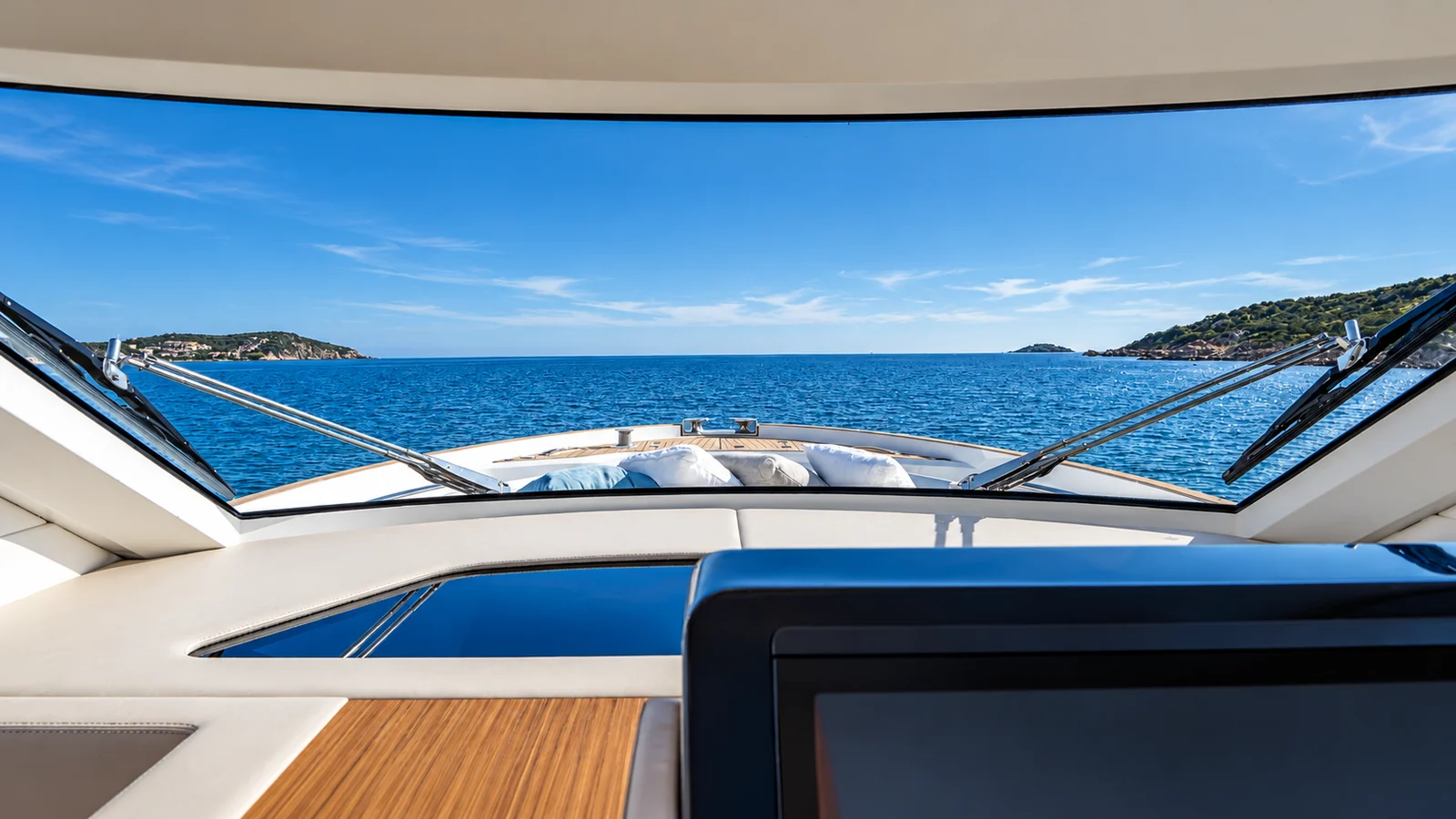
Give the purchase a coherent working arrangement
Ask for a drawing that identifies the working positions discussed during the visit. Attach each question to its specific location so a later equipment revision can be assessed by the qualified team with the same people in mind.
The final equipment schedule can give each relevant sail-handling component an identifiable place beside the selected layout. If a control route, winch or other part of that package changes, the qualified team should assess the implications and update familiarisation for the supplied system.
The qualified instructor can develop the appropriate introduction and further practice for the people involved. Documentation and responsibilities need to be clear at handover. The physical layout seen during selection then becomes part of a professionally supported relationship with the yacht.
A small crew can gain great pleasure from participating in sailing together. Choosing the working spaces thoughtfully gives that ambition a concrete foundation, with the yacht's controls and routes understood around the real people who will return to them throughout the season.